Categories
Design Portfolio

Conceptual Design Idea and Research

Metamorphosis is a state of change or evolution within an object, person or animal. It can be a rapid shift in the growth of something. A good example to explain what metamorphosis really is, is holometabolism, which is mainly seen in insects such as butterflies, bees, ants, flies and beetles. Holometabolism include the four life stages: egg, larva, pupa and imago (“Types of Metamorphosis”).

When talking about humans, metamorphosis is usually used in psychological terms. A human cannot undergo metamorphosis physically because they are fully formed in the womb but can experience psychological metamorphosis when going through big life changes or exchanging identities (“How to Deal with Major Life Changes”).

The chosen subject to base the animation on is the planetary structure based on the works of Alexander Calder. Calder was an American sculptor from Pennsylvania, ‘he is best known for inventing wire sculptures and the mobile, a type of kinetic art which relied on careful weighting to achieve balance and suspension in the air.’ (Tate).

The inspiration for the planetary structure animation is Calder’s monumental sculptures. Calder stated:
‘people think monuments should come out of the ground, never out of the ceiling but mobiles can be monumental too.’ (“Alexander Calder: Monumental Sculpture, Rome, October 29, 2009–January 30, 2010”)
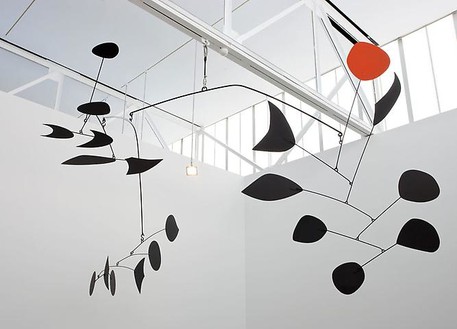
Alexander Calder’s ‘Rouge Triomphant’ 1959-1963. (“Alexander Calder: Monumental Sculpture, Rome, October 29, 2009–January 30, 2010”)

To link both metamorphosis, planets and the works of Alexander Calder together, it’s been decided to design a sculpture showcasing the appearance of earth throughout the years. After doing some research into the evolution of earth throughout the years, it was found that there has been drastic differences to the appearance of earth.
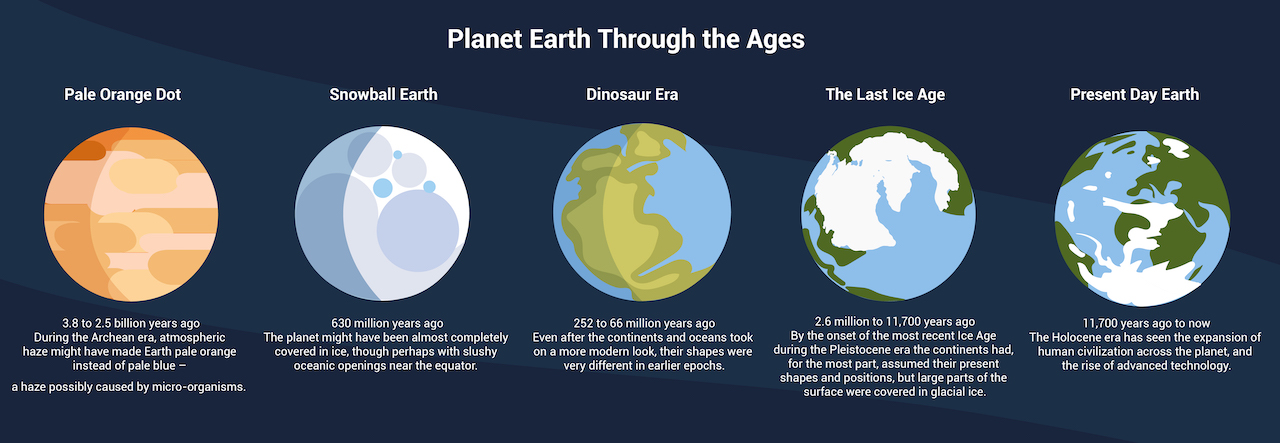
Image showing the different stages of Planet Earth, starting from 3.8 billion years ago. (“Planet Earth through the Ages”)

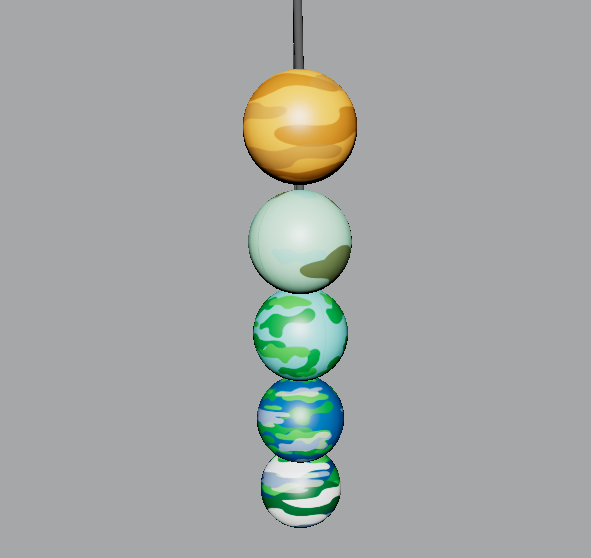
Below is a rough sketch of the planetary structure for the final animation. There’s five versions of Earth which will be showcased in a diagonal position.
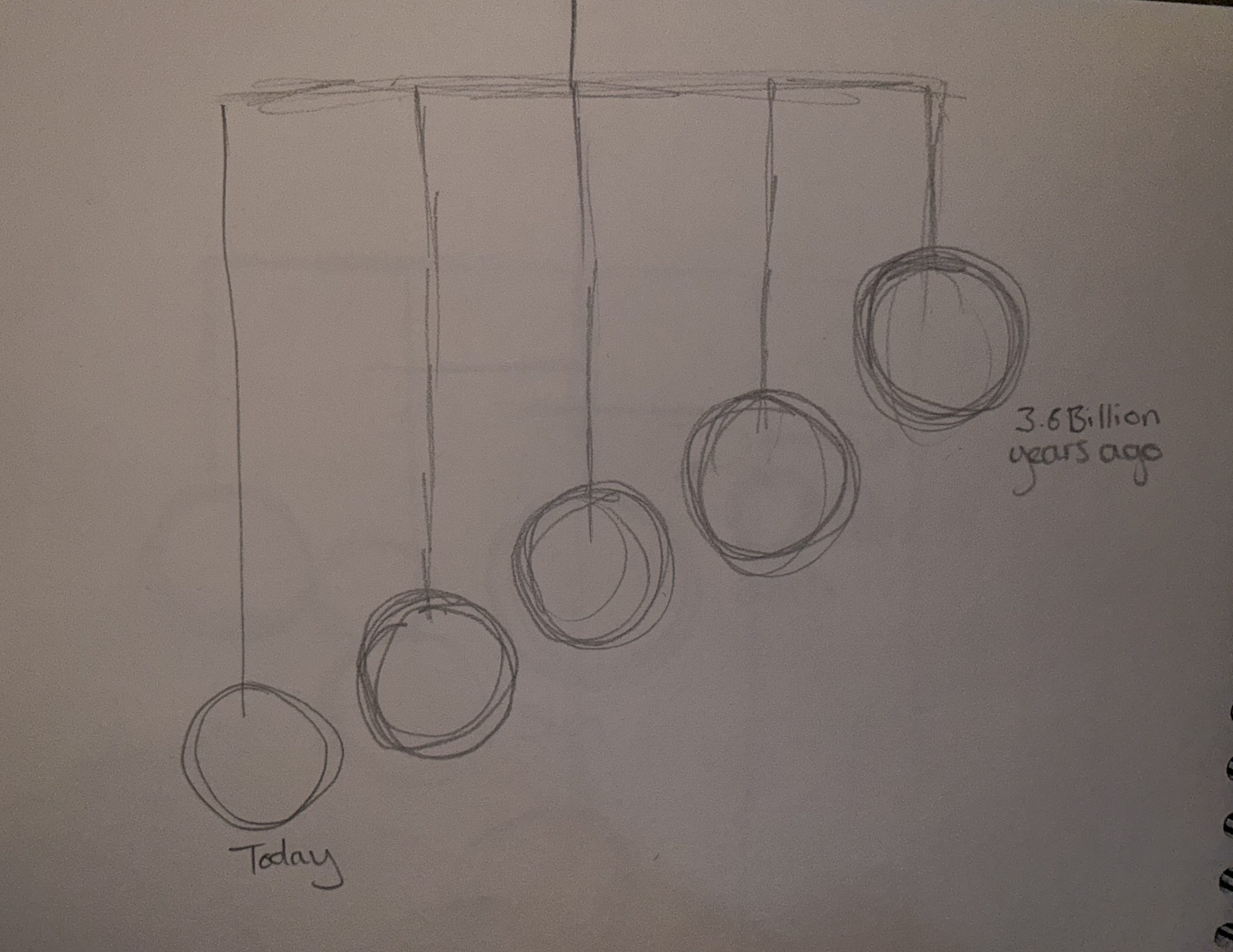
Rough sketch of the planetary structure used in the final animation.

This is an enhanced digital illustration of the structure designed. included in the right side view to explain why the planets are on a diagonal. When view from the right hand side the planets sit nicely in a timeline, starting with Earth’s appearance from billions of years ago and ending to the planet’s appearance we know today.
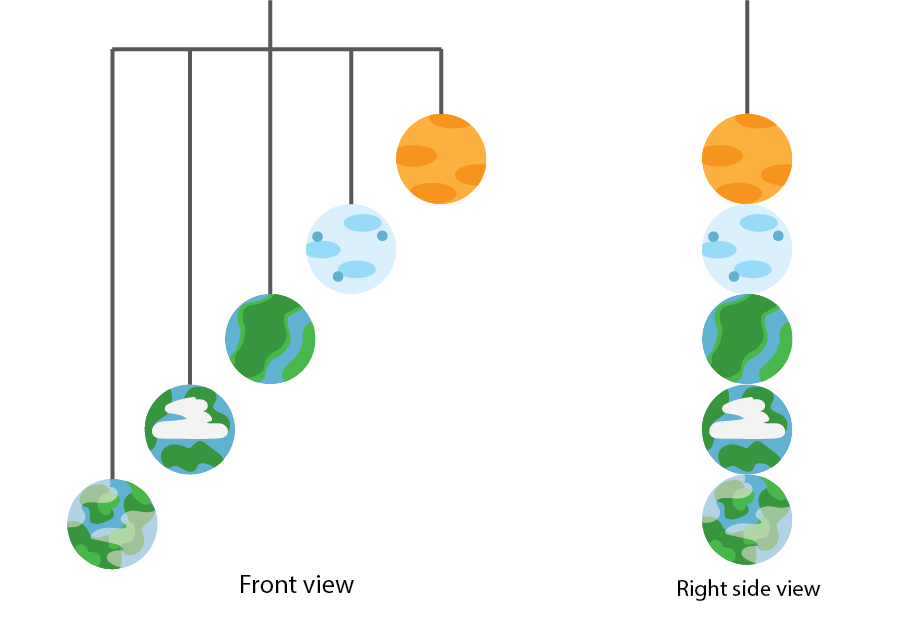
Digital illustration of the planetary structure, showing examples of different side views.

References

“Alexander Calder: Monumental Sculpture, Rome, October 29, 2009–January 30, 2010.” Gagosian, 12 Apr. 2018, gagosian.com/exhibitions/2009/alexander-calder-monumental-sculpture/. Accessed 27 July 2023.

“How to Deal with Major Life Changes.” Oprah.com, www.oprah.com/spirit/strategies-to-deal-with-every-phase-of-major-life-changes/all#:~:text=Humans%20do%20it%2C%20too%E2%80%94not. Accessed 27 July 2023.

“Planet Earth through the Ages.” Exoplanet Exploration, exoplanets.nasa.gov/resources/2245/planet-earth-through-the-ages/. Accessed 27 July 2023.

Tate. “Who Is Alexander Calder? | Tate.” Tate, 2015, www.tate.org.uk/art/artists/alexander-calder-848/who-is-alexander-calder. Accessed 27 July 2023.

“Types of Metamorphosis.” BYJUS, byjus.com/biology/types-of-metamorphosis/#:~:text=Zygentoma%20and%20Archaeognatha.-. Accessed 27 July 2023.

Categories
Design Portfolio

Animation Storyboard

To create an animation based on the planetary structure designed in the first blog post, a storyboard was needed to visualise the final piece and to create guidance for the actual animation.

‘The storyboard is essentially a series of sketches that map the key events of the narrative, presented chronologically. This provides a visual bridge between the script or overall concept and the finished animation.’ (“How to Storyboard for Animation | Storyboarding Tips | Adobe”)

It is important as graphic designs to be able to visualize the results of a project and being able to create a storyboard for an animated piece adds a steppingstone to the design process. Storyboarding is also a great way to present the visuals happening within the mind.

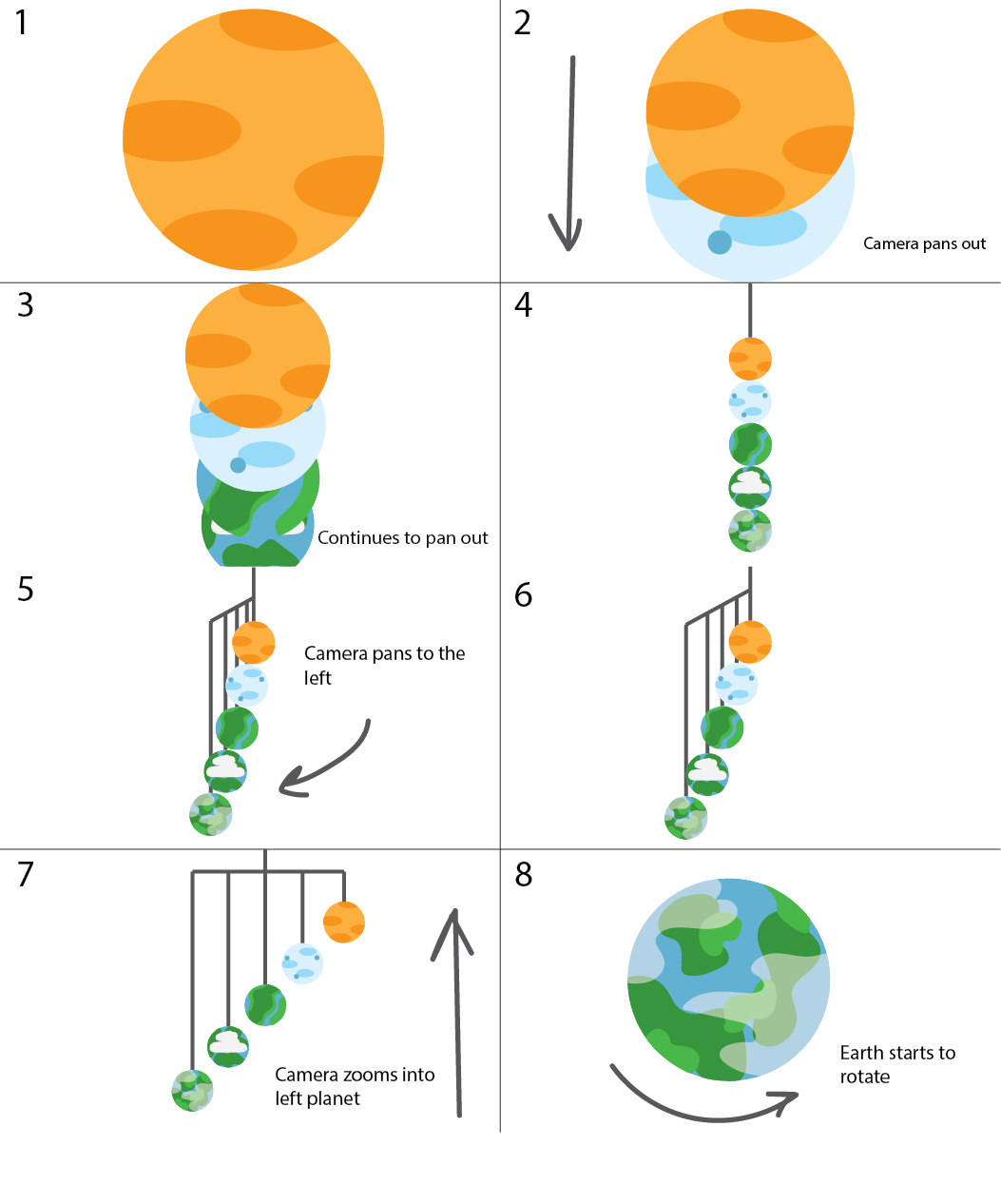
This is the illustrated storyboard showing how the final animation will look, the storyboard shows eight scenes and annotations describing the camera angles throughout those 30 seconds. The animation will start zoomed into the first variation of Planet Earth from 3.8 billion years ago. The camera will then start to zoom out and pan down to reveal the other four Earth variations in a vertical chronological order. Once all Earth variations are in view, the camera will then pan to the left to reveal the full structure of all five Earth variations. In the last two scenes, the camera will then zoom into the left Earth variation, this being the modern-day earth we know. This animation will represent the timeline of the appearance of Planet Earth.

Illustrated storyboard visualizing the final animation based on the planetary structure.

The video below is an example of the inspiration behind the animation. This animation shows the main object only through camera panning and zooming. This animation is also a good example of how the different Earth variations will look texture wise. Throughout the video the camera zooms into multiple planets which is a good way to visualize how the starting and closing scenes will look in this final animation.

Planetary animation showing how camera panning can be used to focus on the main object. (“Solar System 3D Animation | Planets Animation”)

References

“How to Storyboard for Animation | Storyboarding Tips | Adobe.” Www.adobe.com, www.adobe.com/uk/creativecloud/animation/discover/animation-storyboarding.html#:~:text=The%20storyboard%20is%20essentially%20a. Accessed 27 July 2023.
“Solar System 3D Animation | Planets Animation.” Www.youtube.com, 10 June 2021, youtu.be/nqPV8K6Zqfw. Accessed 27 July 2023.
Categories
Design Portfolio

Visual Design Treatment

Use of Colour

‘Note the effectiveness and elegance of small spots of intense, saturated colour for carrying information.’ (262588213843476)

Edward Tufte’s theory on the use of colour has been incorporated into this product via the initial design of the planetary structure and the storyboard for the final animation. The five Planet Earth variations each have their own colours and style.

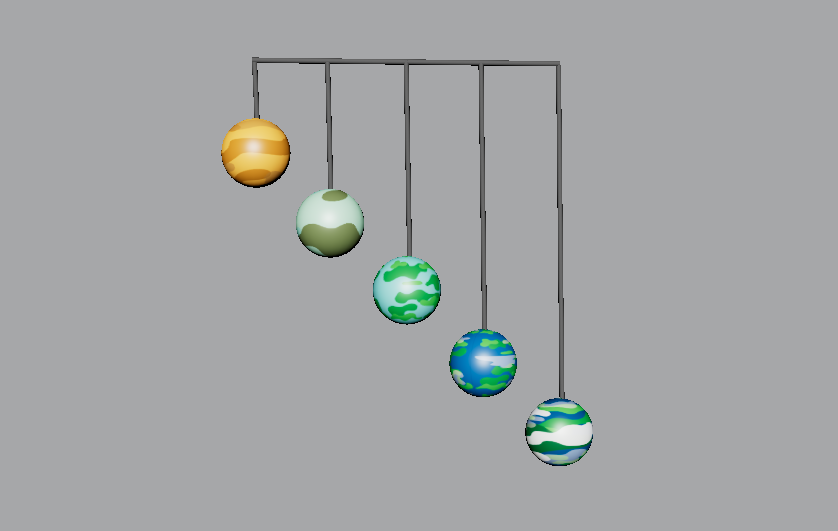
Colour is crucial when it comes to design, it’s used to provide key information without any text. Tufte’s examples of this are maps which are colour coded for the correct information. Within the design of the planetary structure, only the earth variations have colour, the wired structure is grey because its not so important. The eye of the audience needs to be caught by those five planets because that’s the main piece of information that is trying to be portrayed.

The five different Earth variations showing the use of colour.

The use of small multiples

Tufte believes that the consistency of small multiples can pass off more information to the audience with just a glance. The multiples can all have slight differences, but the brain can be tricked into seeing these differences because there are multiple versions of the main attraction.

Using this theory in the planetary structure, there are five variations of Planet Earth, taking the audience through a timeline. There are multiples of Planet Earth, each differing in colour and style. With just a glance the audience can see that this is portraying a timeline in the appearance changes of Earth.

Narrative of space and time

Just like the use of small multiples, this planetary structure shows the narrative of time throughout the history of Earth. The narrative of space and time also portrays information to the viewer without any text. The timeline of the planets starts from billions of years ago and ends with the appearance of today’s earth as we all know it.

This theory will also be used throughout the animation as it will portray the timeline through camera panning, the planets will reveal one by one, this emphasises the anticipation and appearance.

Layering and Separation

Tufte’s layering and separation theory can be used to show the minimalism within a design. Keeping a design minimal and reducing unnecessary factors allows the audience to focus on informative areas. This theory is relevant to the planetary structure because the design is very minimal and only provides key information through the visuals.

Micro/Macro Readings

‘Enormous amount of data is being generated every day by us. The visual graphics should be designed in such a way that it is data rich and the data is presented in a more tabular, contrast way so that it is easily captured by the human eye.’ (Sampathkumar)

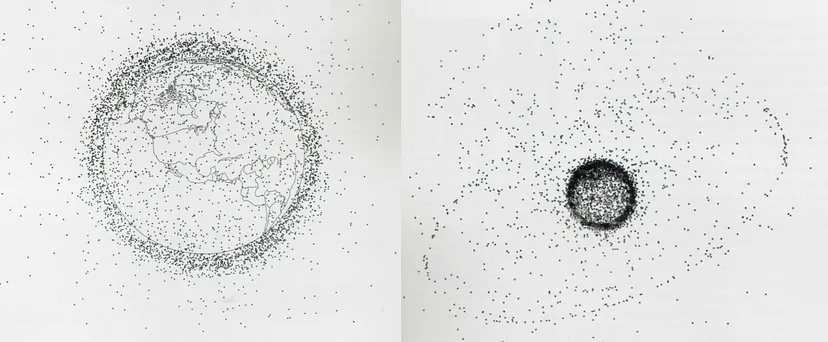
Micro readings are mainly used within graphs or charts to convey large quantities of information, this is normally portrayed in very minute details. An example of this is this diagram of Earth’s Orbital Pollution. Each tiny speck represents the debris that’s revolving around Earth.

Earth’s Orbital Pollution showing 7000 pieces of debris revolving around the Earth. (Sampathkumar)

This theory could be incorporated into the planetary structure. Although the design is not presenting a mass of information, the designs of the little Earth variations each show where grassy area’s are or the air pollution in the sky.

References

262588213843476. “Edward Tufte on Use of Color.” Gist, gist.github.com/deadprogram/782074. Accessed 27 July 2023.
Sampathkumar, Shruthi. “Micro / Macro Readings.” Medium, 7 Feb. 2019, medium.com/@shurisk96/micro-macro-readings-cd987ce6bc63. Accessed 27 July 2023.
Categories
Design Portfolio

Final Design

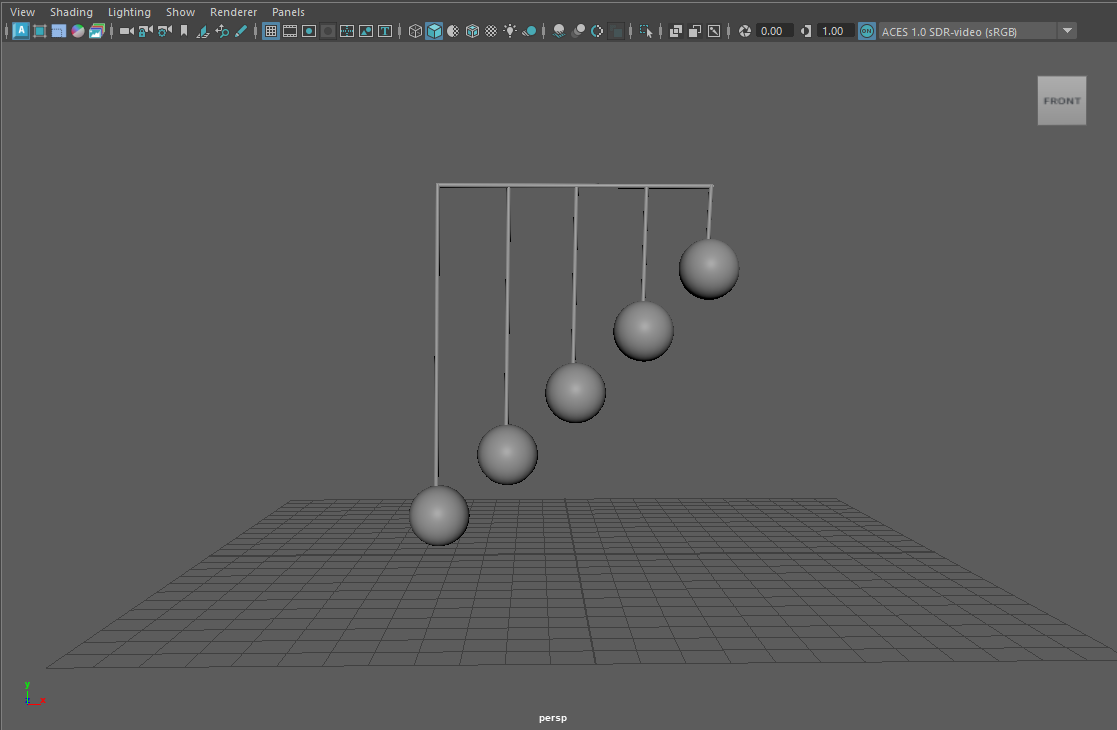
Now that all the plans had been put into place, it was time to further develop the animation of the planetary structure. To include the work of Alexander Calder, a 3D mobile model was created in the modelling software, Maya.
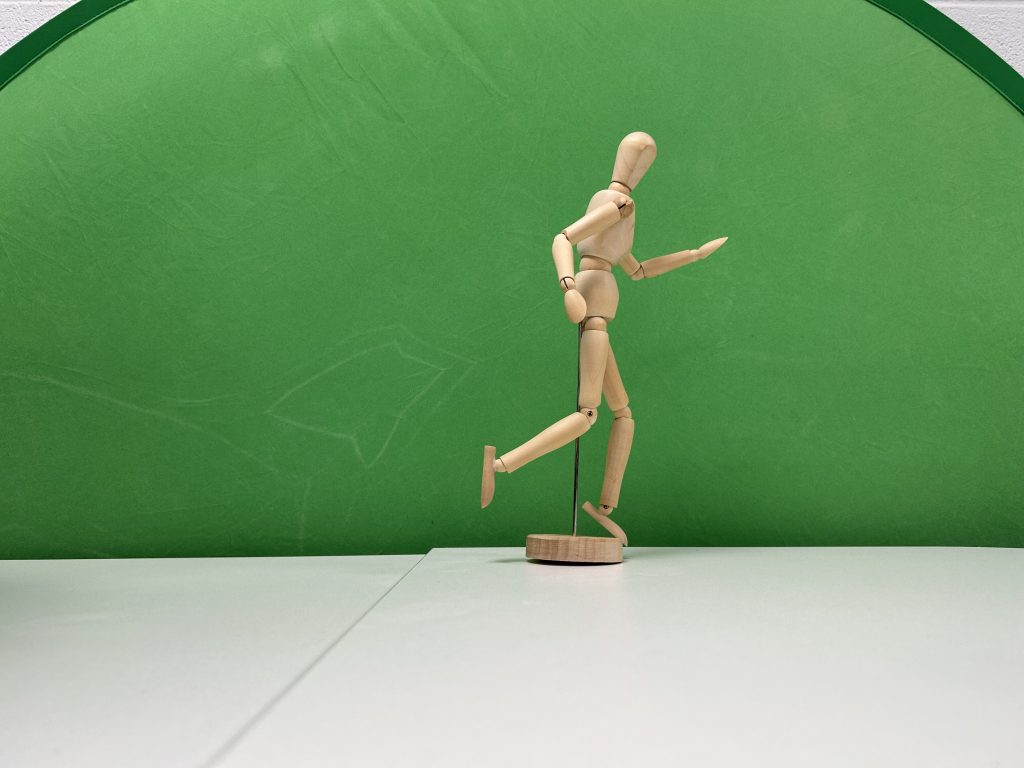
Image of basic model structure.

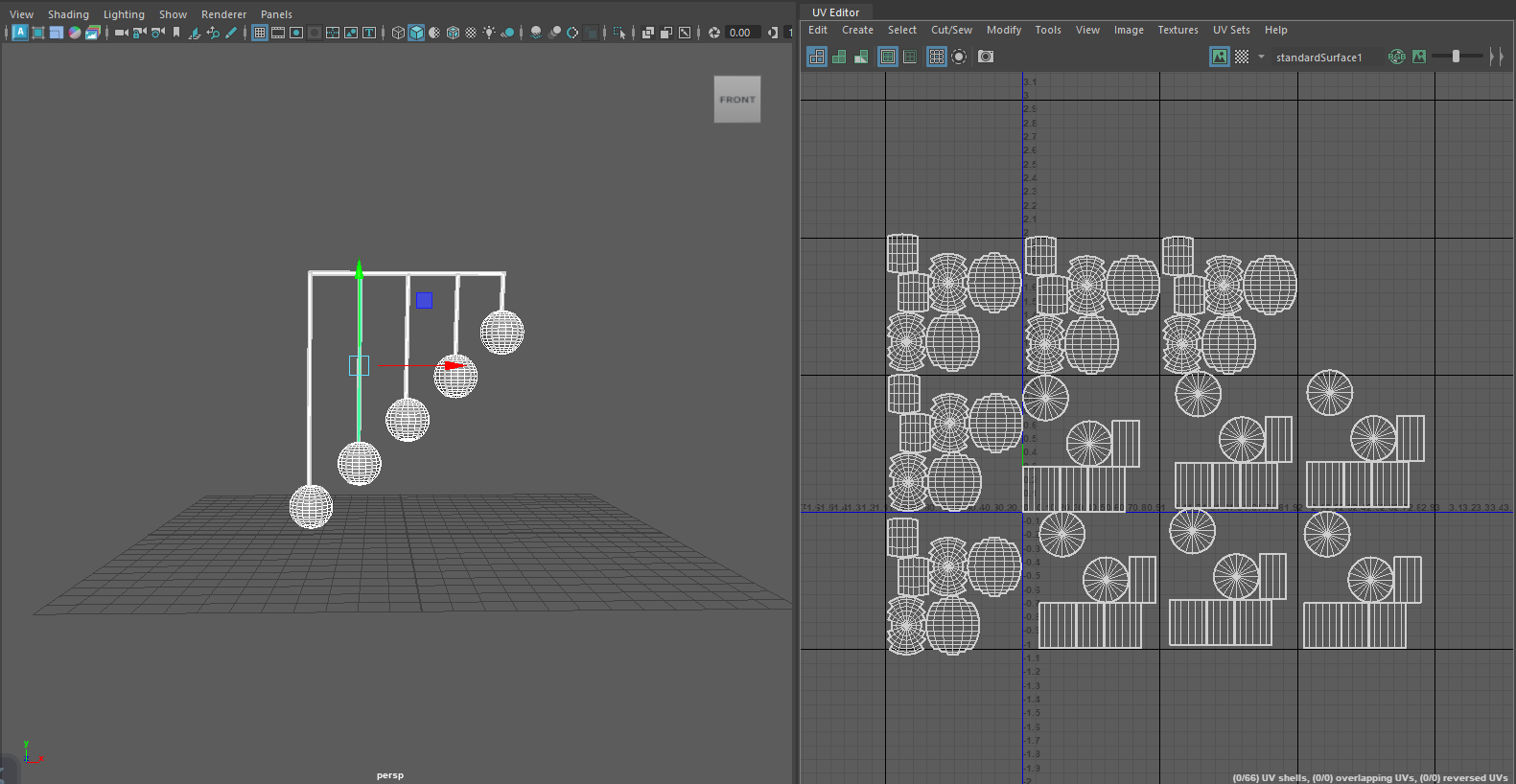
After creating the basic structure, UV maps needed to be made so each shape within the structure could be texturized. Each shape had to be unfolded to get a 2D shape, thus creating the UV map.

Screenshot showing the UV mapping of each shape used within the structure.

Tufte’s use of colour theory has been incorporated into this final animation piece. As spoken about in the previous post. Each of the five Earth variations have been designed to look cartoon like, they’re vibrant and all different in style. The use of colour on these planets emphasises the type of information being told. A timeline is being told and having each sphere look different but also having similarities creates the story of history. This can also be linked to Tufte’s theory on small multiples. Using this theory means the story can be told with just a glance because each small multiple has slight differences.

Another one of Tufte’s theories used is the narrative of space and time. A big focus within this animation is the way the camera is panning around the structure, zooming in and out of the spheres. In the opening scene, the planets drop down to reveal themselves one by one. This creates a narrative for the story of the timeline.

Categories
Design Portfolio

3D Animation (Planetary Structure)

Categories
Development Log

Conceptual Energy Drink Brand Logo

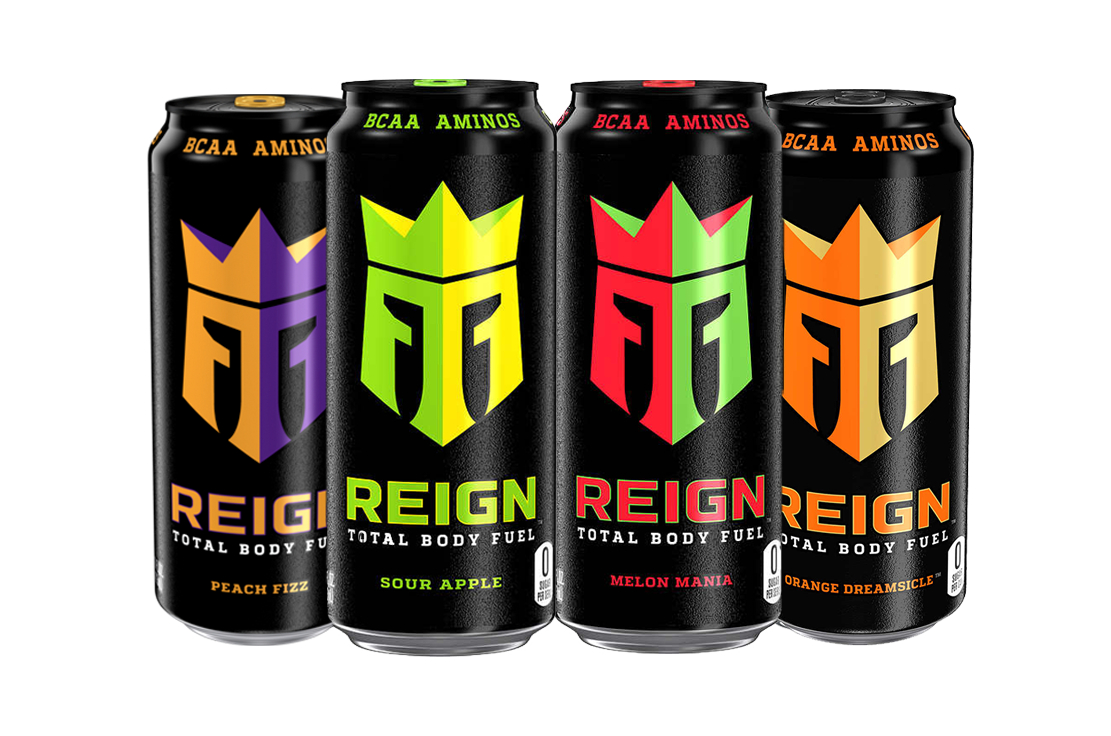
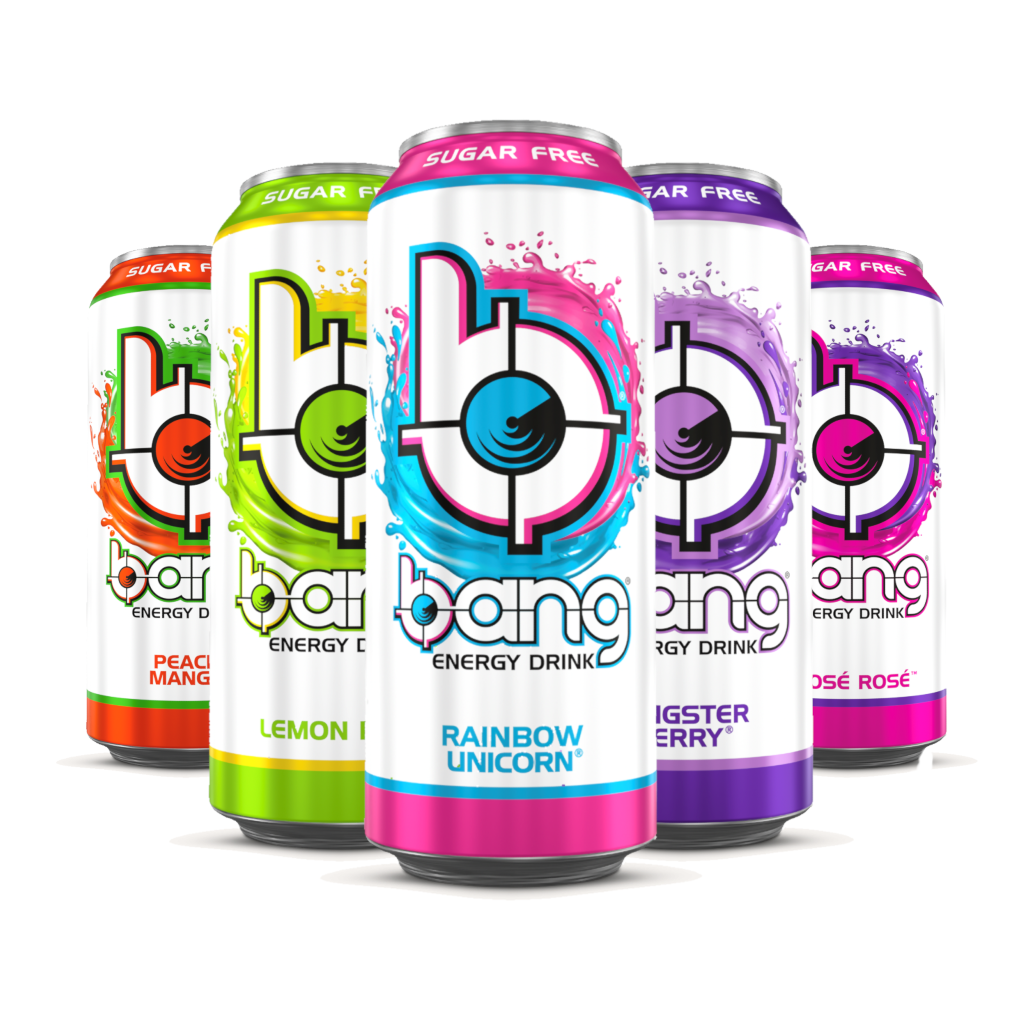
When researching energy drink brands, not many of the popular brands contain any conceptual design within their logo but the two images below show fantastic examples of conceptual design within a brand logo.

The logo design for the energy drink brand ‘Reign’ shows two ‘R’s with a crown sat on top of them. The ‘R’s have been manipulated in a way that creates the shape of a knight’s helmet, with them wearing a crown. This creates a brilliant example of conceptual design because the word ‘reign’ means to control and show power.

Energy drink brand ‘Reign’ displaying a good example of conceptual design. (Reign Total Body Fuel Energy Drink, n.d.)

Another good example of conceptual design is the logo for the energy drink brand ‘Bang’. The logo shows a lowercase ‘b’ and a target that has been incorporated into the counter of the ‘b’. Many people do associate the word ‘bang’ with some sort of gunshot, thus creating a good example of conceptual design.

Energy drink brand ‘Bang’ showing another good example of conceptual design. (Bang Energy Drink, n.d.)

The energy drink brand created will be called ‘Boomer’s Brew’. The given brief was to aim the energy drink to over 60’s which relates to the word ‘boomer’, this word is commonly used amongst the younger generation as a nickname for the older generation. Having an alliteration within the name makes the brand more memorable and easier to pronounce. Now that the name has been chosen and finalised, it was time to develop the logo.

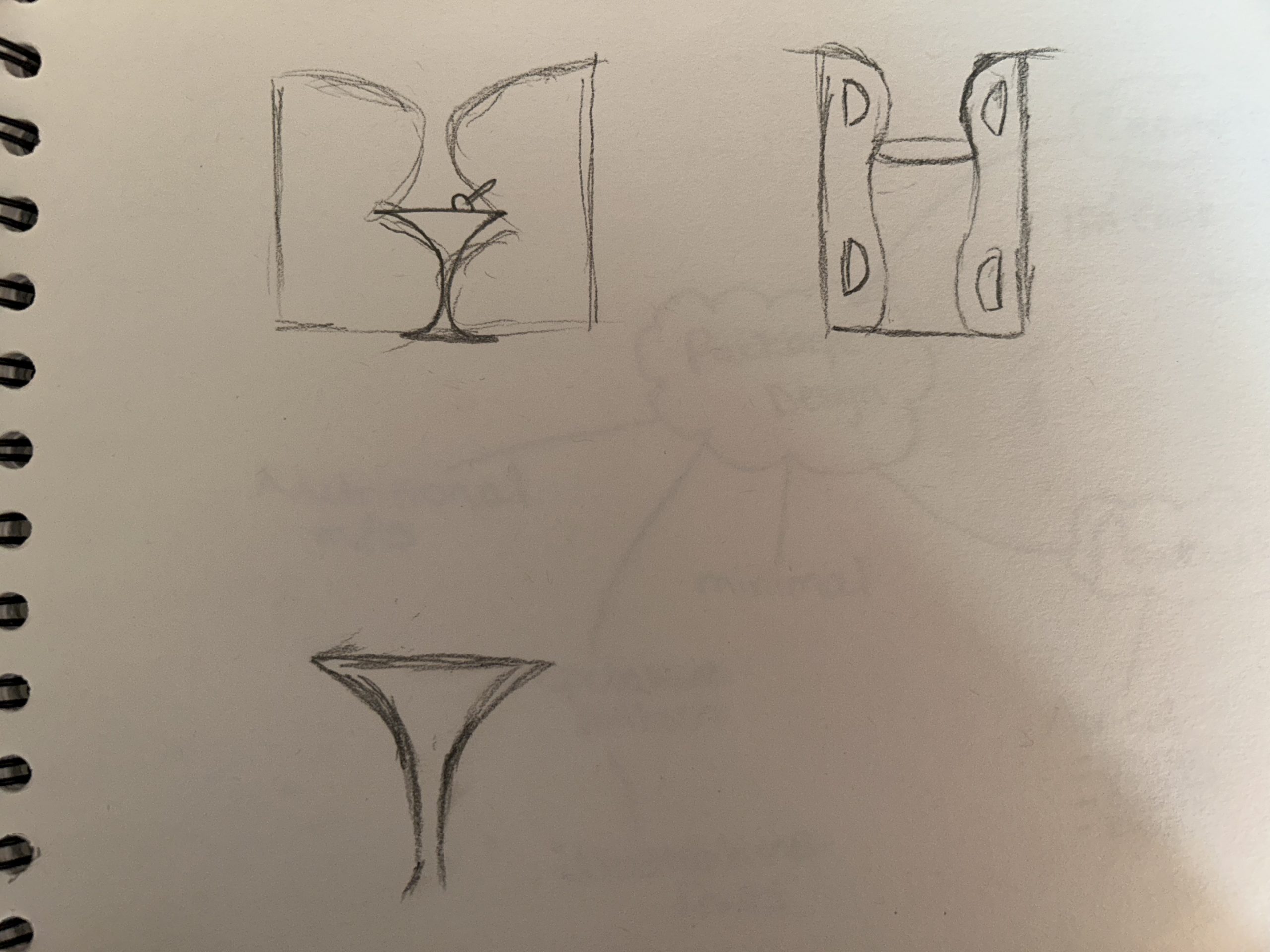
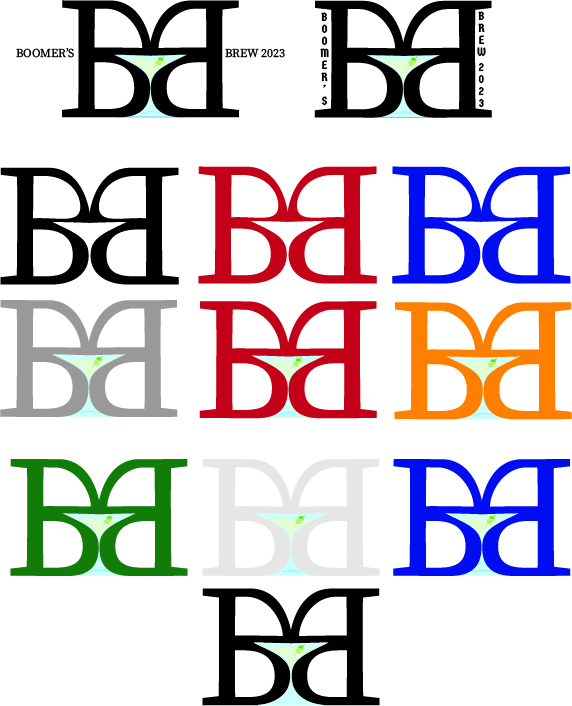
Here are some rough sketched ideas for the ‘Boomer’s Brew’ logo. The logo consists of the two ‘B’s, one has been horizontally flipped and when placed together and slightly manipulated, it creates the perfect shape for common cocktail glass. It was a passing thought to have the energy drink contain alcohol so with this logo in mind, it was decided to make it a caffeinated seltzer. With further enhancement of the logo, a conceptual design was created and matched perfectly with the alcoholic aspect.

First sketches of the Boomer’s Brew logo concept.
Digitally enhanced variations of the Boomer’s Brew logo, containing conceptual design.

Rejected Ideas

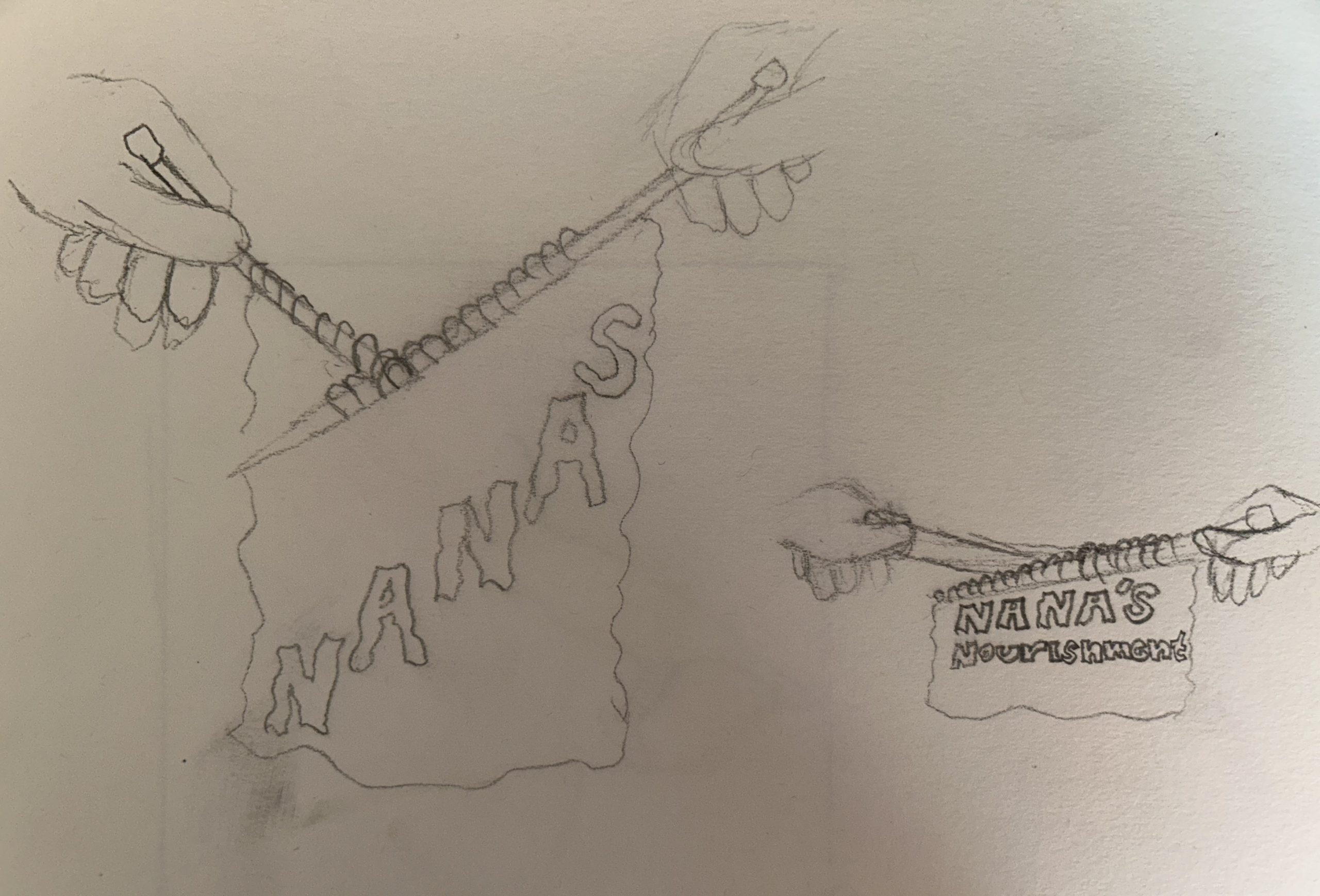
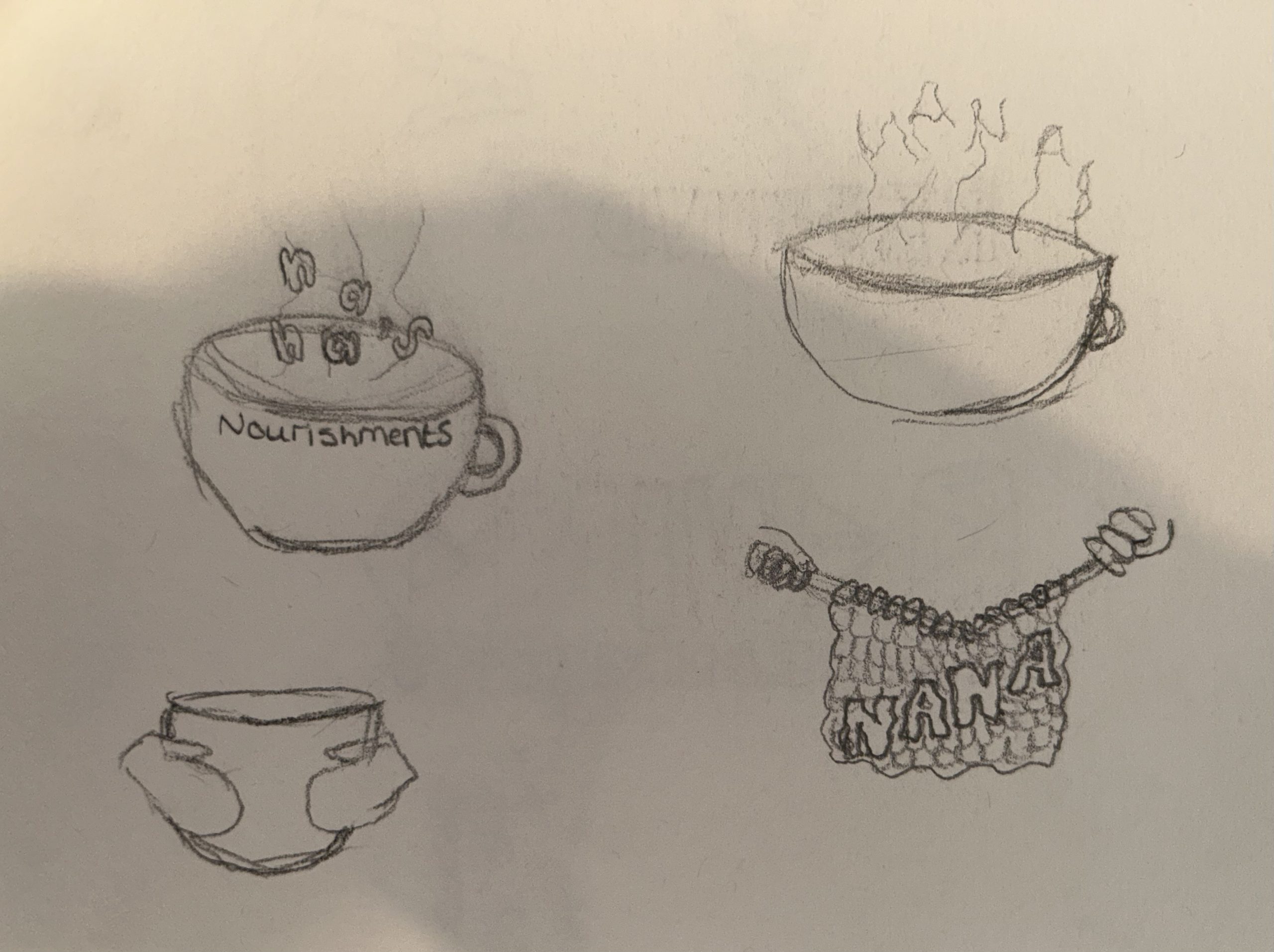
Many brand name concepts consisted of the alliteration such as ‘Nana’s Nourishments’, the idea behind this name was to create a cosy feeling that grandparents tend to have. One of the logo designs was a hot cup of tea and the conceptual aspect of this design would be the hot stream creating the word ‘nana’. Another logo design for this name was to have the brand name knitted. Knitting is a very common hobby for the elder generation so this concept would have enticing towards the specific audience.

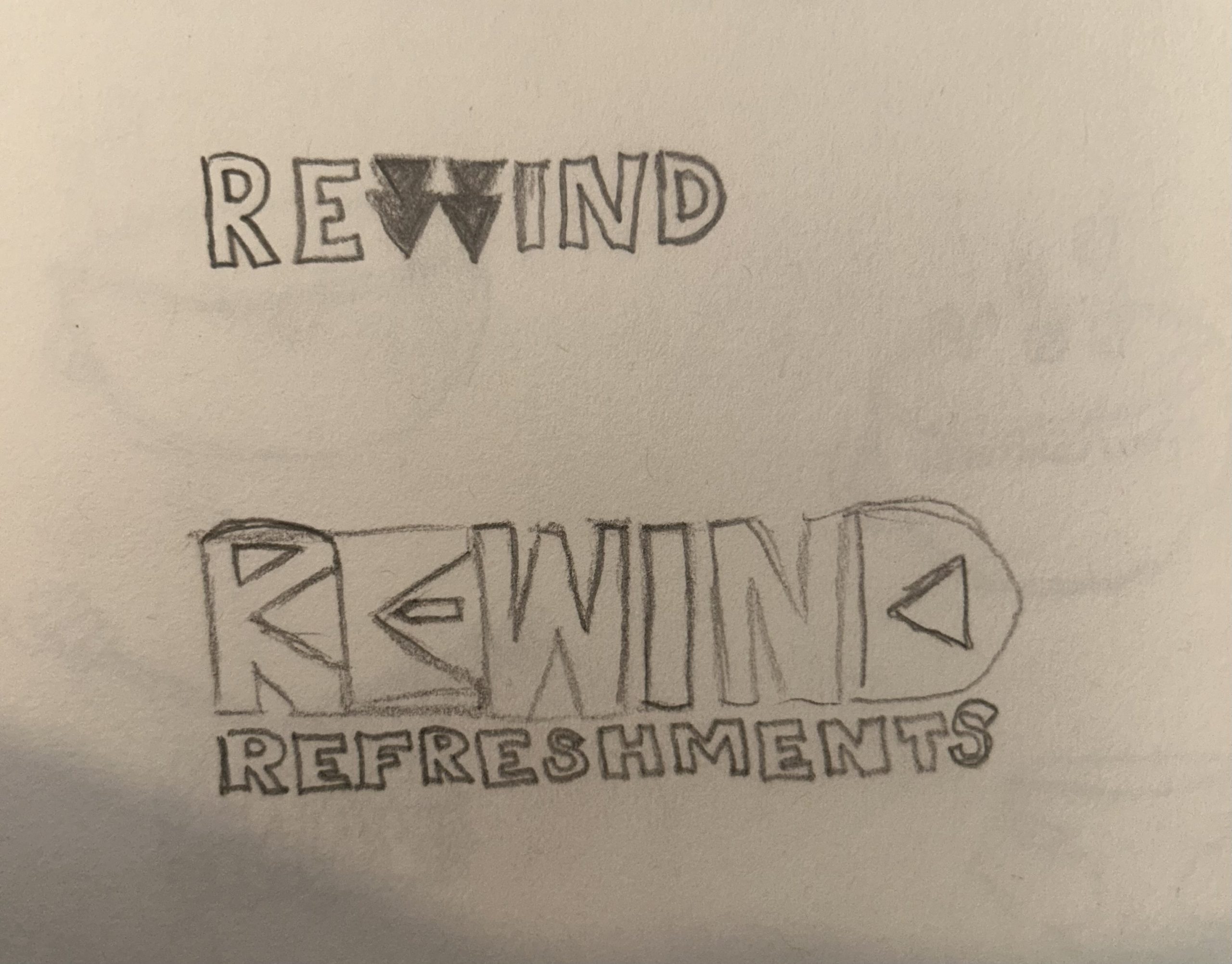
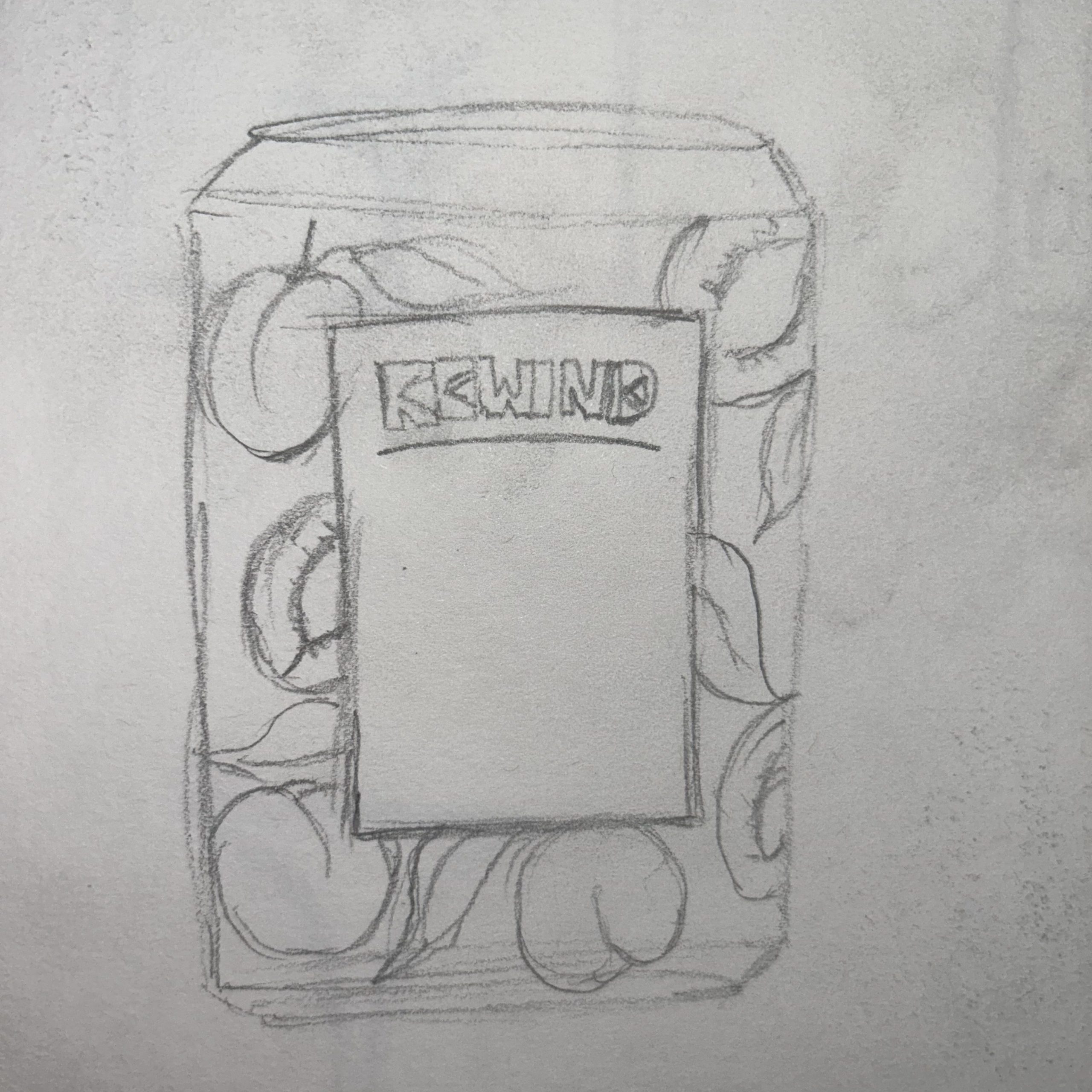
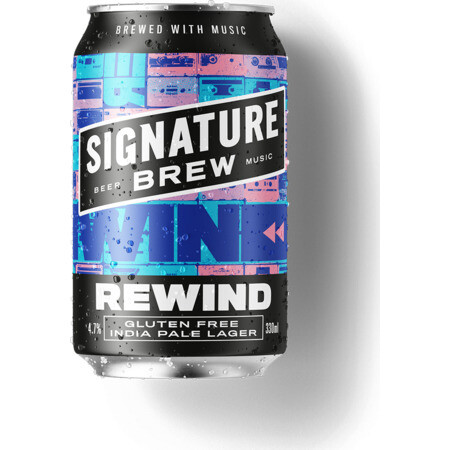
Another rejected idea that did become more enhanced was the name ‘Rewind’, the logo design contained the rewind icon within the ‘R’ and ‘E’. The name ‘Rewind’ was chosen at first because it is likely that people over 60 do wish to rewind time so this name would have worked well with the audience but after some further research, it was found that this was already a brand with a similar logo concept.

First initial ideas for the brand name ‘Rewind’ that later became a rejected design.
Digitally enhanced version of the first concept for the brand name ‘Rewind’.
Example showing the ‘Rewind’ concept already in use. (Signature Brew Rewind, n.d.)

References

Bang Energy Drink. (n.d.) Body Shocker. Available online: https://bodyshocker.co.uk/product/bang-energy-drink-12-x-500ml/ [Accessed 12 Apr. 2023].

Reign Total Body Fuel Energy Drink. (n.d.) Protein Pick and Mix. Available online: https://www.proteinpickandmix.co.uk/reign-total-body-fuel-energy-drink/ [Accessed 12 Apr. 2023].

Signature Brew Rewind. (n.d.) eEbria Trade. Available online: https://www.eebriatrade.com/products/beer/signature-brew/35228-rewind [Accessed 12 Apr. 2023].

Categories
Development Log

Energy Drink Package Design

Research and Inspiration

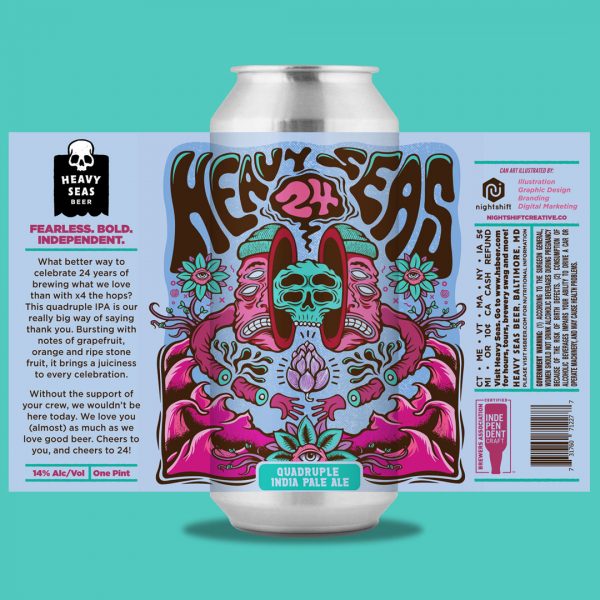
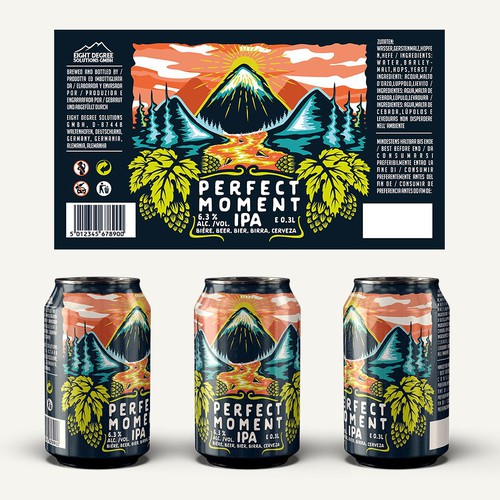
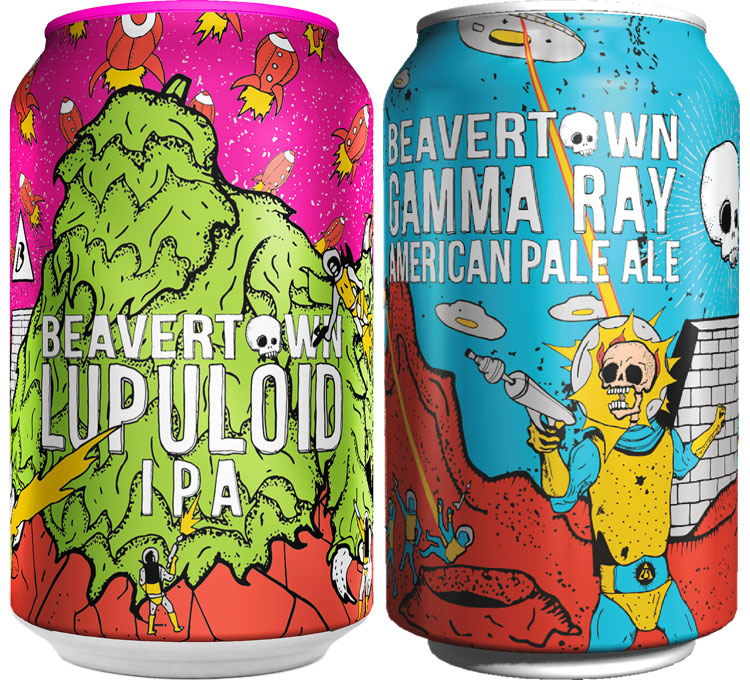
After receiving the brief for the energy drink branding, the first initial thought was to design the packaging like an IPA can. IPA can designs can be very chaotic, colourful and full of life. IPA cans are very artistic and always look as though a lot of time, planning and design has gone into the can. Having a can design like this on the shelves of supermarkets and it not being an IPA can attract a lot of people due to the sheer fact of it looking aesthetic but because this energy drink brand is aimed at the elder generation it was decided to develop something a little less chaotic and more minimal.

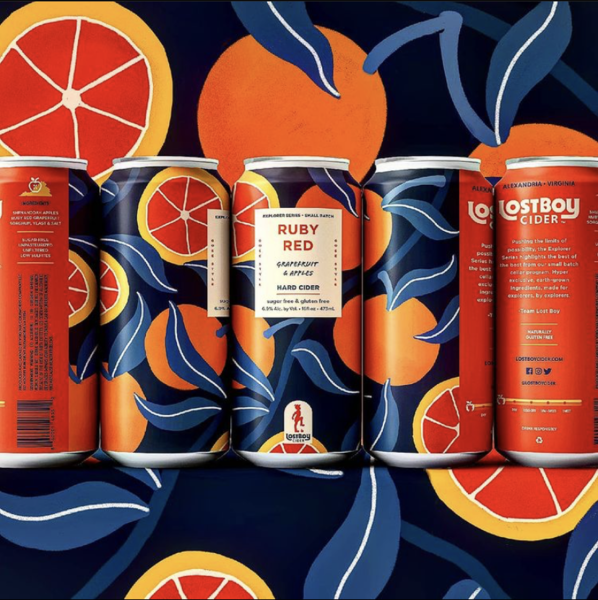
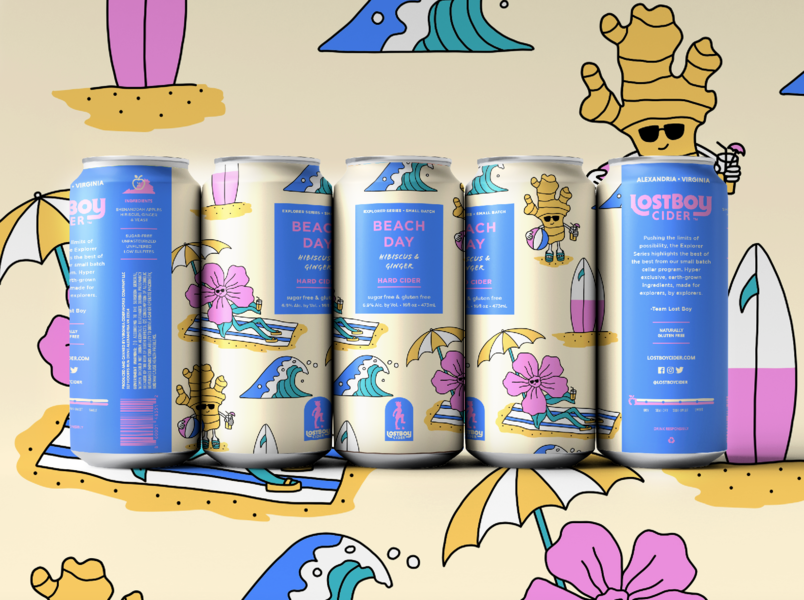
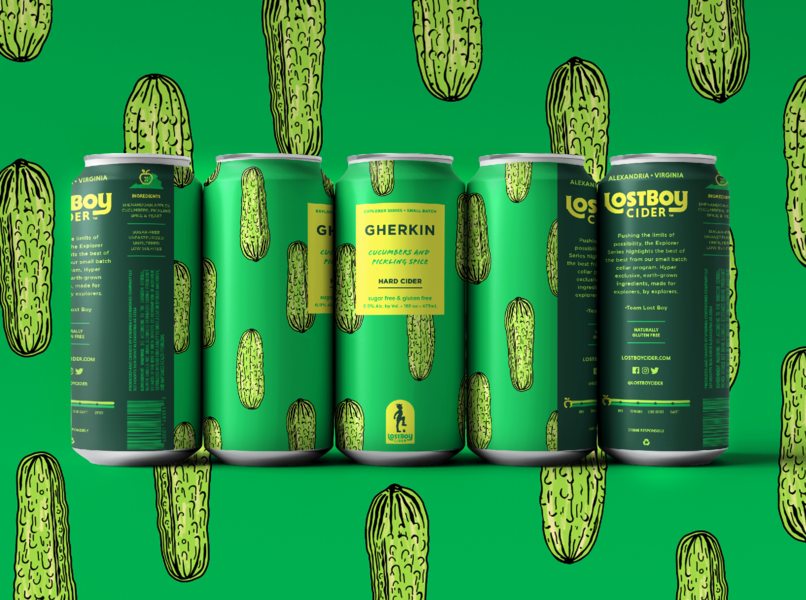
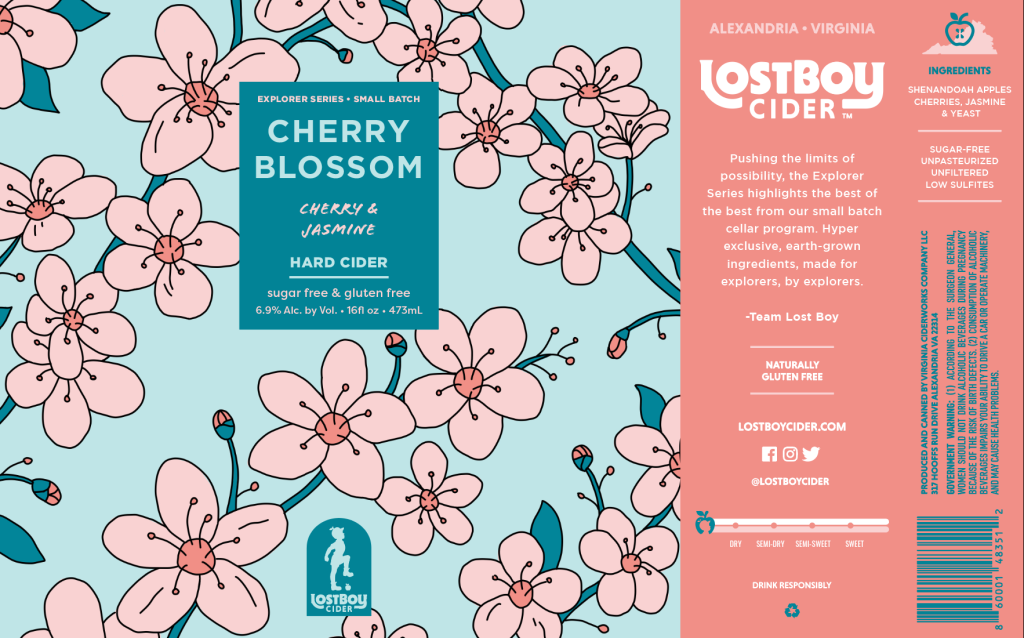
Another inspiring packaging design comes from the brand ‘Lostboy Cider’, specifically their explorer series. These can designs consist of illustrations wrapped around the can. Some have imagery of the drink flavours and other contain scenery. This type of design is still artistic and looks aesthetic yet it’s not chaotic like the first example of IPA cans.

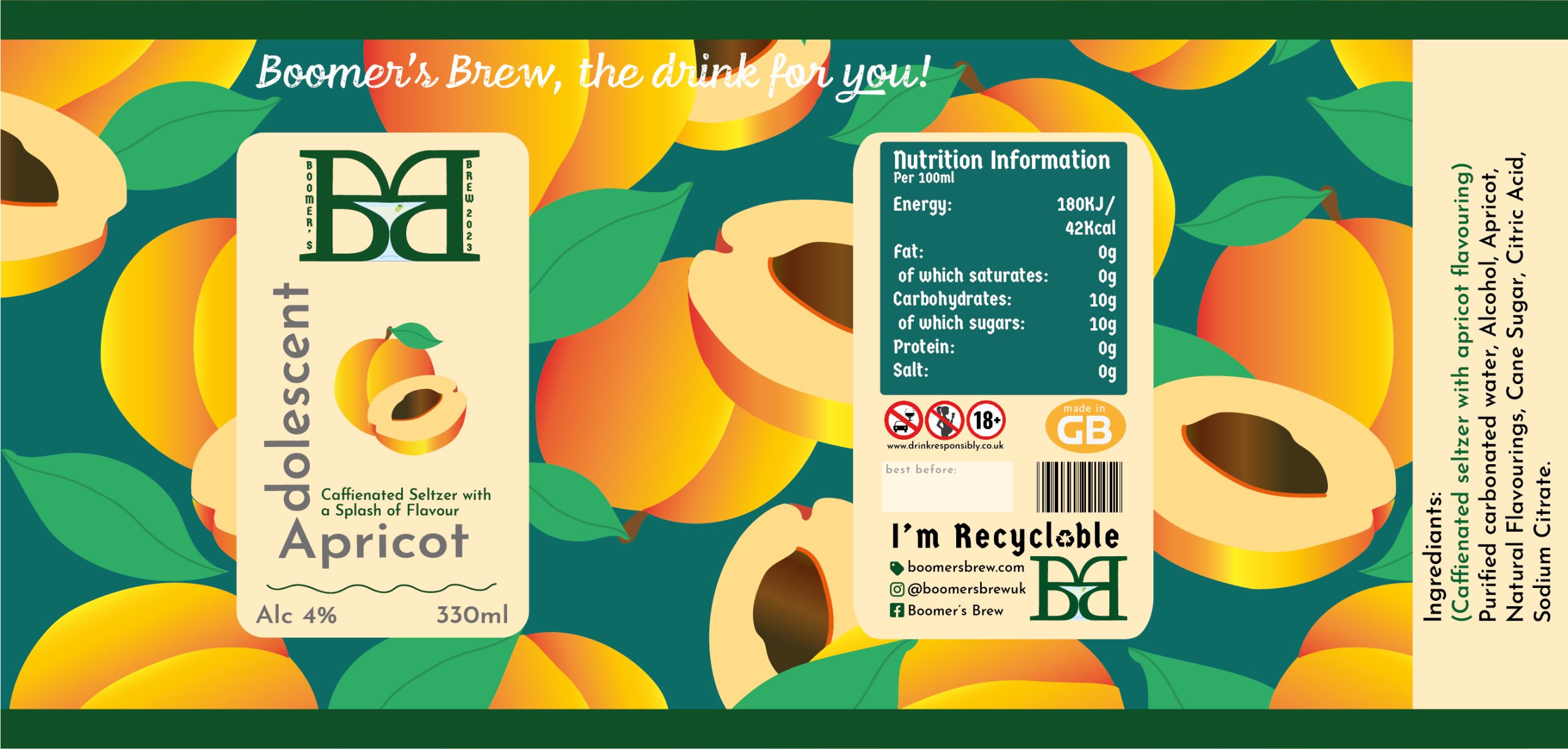
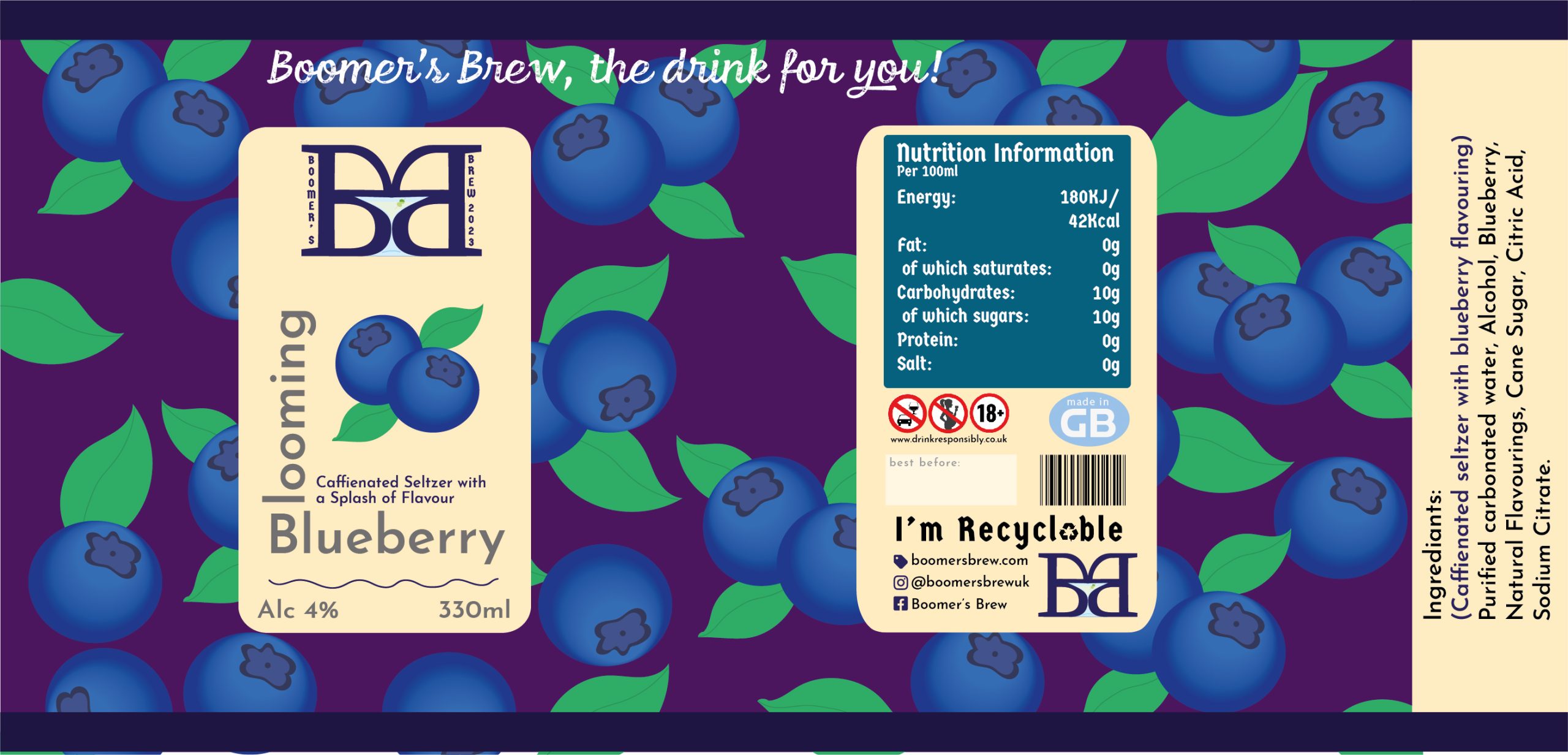
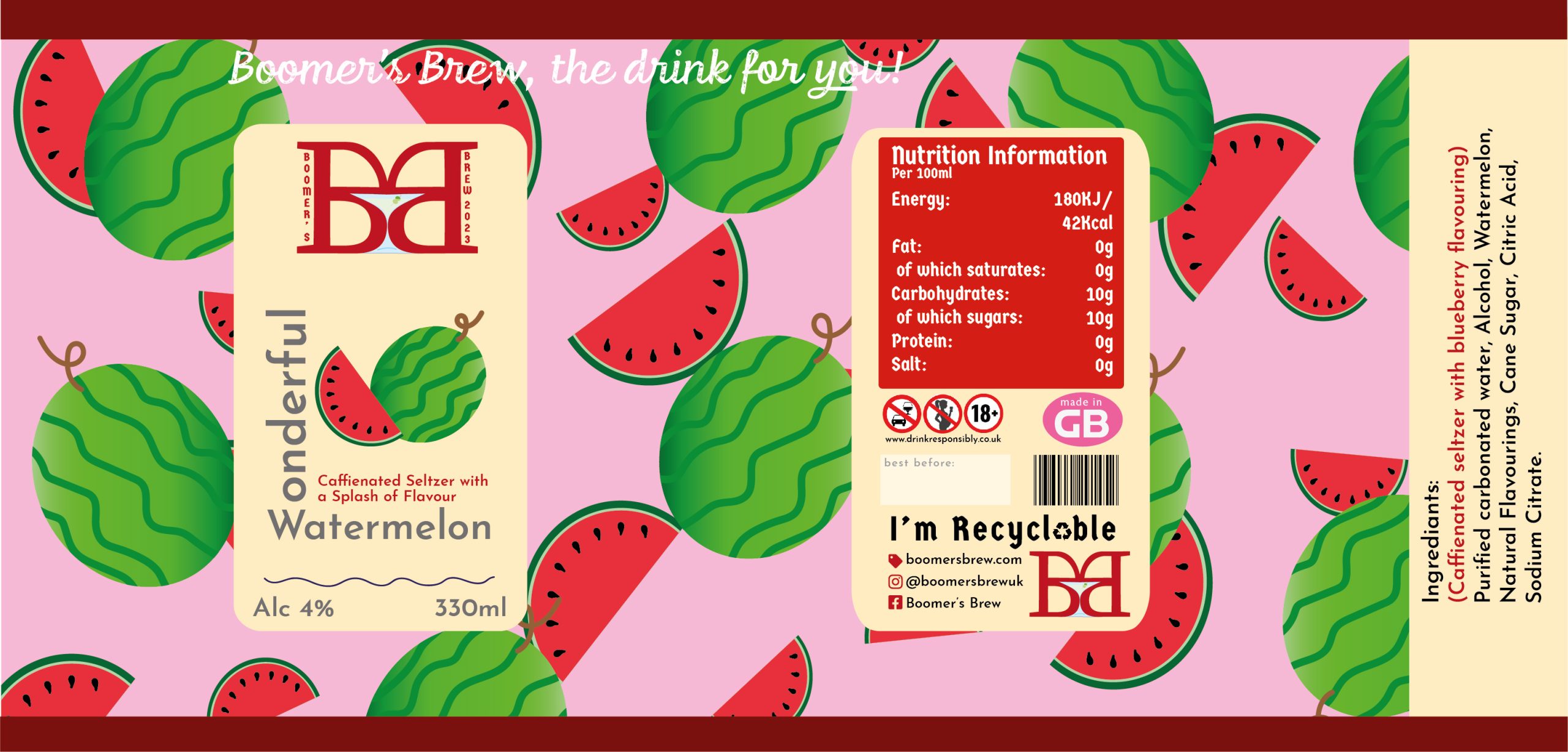
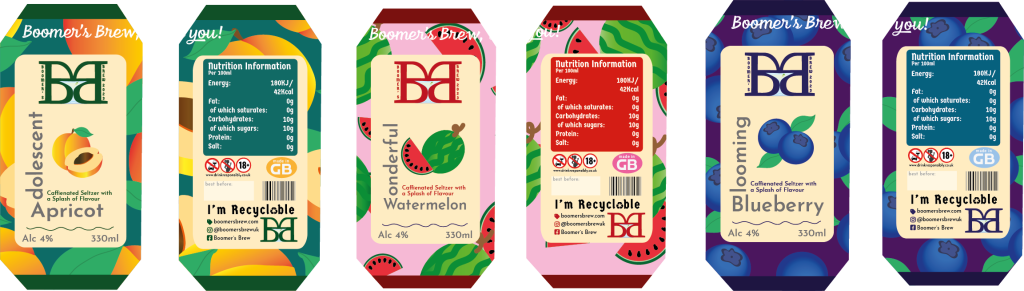
The finalised energy drink concept will be a caffeinated seltzer with added flavouring called ‘Boomer’s Brew’. The initial design of the can has the flavour illustrated across the can for example, the first developed design is the Apricot flavour, this design will have an illustrated apricot repeated across the entire can. This creates an appealing aesthetic. Another reason for this design concept is for those within the elderly audience that have visual impairments or those that struggle to read, they will be able to seek out the flavour of the drink via the illustrations around the can. Three package designs have been developed and customised to fit the flavourings.

First sketch of the design plan using the rejected brand name ‘Rewind’.
Packaging design for the Apricot Flavour called ‘Adolescent Apricot’.
Second packaging design for the blueberry flavour called ‘Blooming Blueberry’.
Third packaging design for the watermelon flavour called ‘Wonderful Watermelon’.

Other aspects to think about when designing a drink’s packaging are the nutritional values, the barcode, ingredients, and the brand’s contact details. With this being an alcoholic beverage, it is also important to include the drink responsibly website and icons showing not to drink and drive, not to drink pregnant and not to drink underage.

‘Every bit of ink on a graphic requires a reason. And nearly always that reason should be that ink presents new information.’ (Tufte, 1985, p.96). Using Tufte’s data-ink theory to develop the labels used on the packaging design, the front label will only contain the brand name, logo, the name of the flavour, what the drink is and imagery of the flavour whereas the label on the back of the can will display only the nutritional values, contact information, alcohol responsibilities and if the packaging can be recycled. The labels are minimal with a beige background colour and no border. Having minimal labels are more attractive to the elderly because it can be seen as vintage.

Rough visual of how the designs will look on a common can shape.

References

2021 explorer series – Gherkin. (n.d.) Lostboy Cider. Available online: https://www.lostboycider.com/shipped-cider-41-states/ [Accessed 12 Apr. 2023].

2021 explorer series – Ruby Red. (n.d.) Shop Ciders. Available online: https://shopciders.com/lost_boy_cider/explorer_series_-_ruby_red_66868 [Accessed 12 Apr. 2023].

2021 Explorer Series. (n.d.) Vino Shipper. Available online: https://vinoshipper.com/shop/lost_boy_cider/explorer_series_-_beach_day_75065?list= [Accessed 12 Apr. 2023].

Heavy Seas Announces 24 Anniversary Ale: Quadruple IPA. (n.d.) Craft Beer. Available online: https://www.craftbeer.com/news/beer-release/heavy-seas-announces-24-anniversary-ale-quadruple-ipa [Accessed 12 Apr. 2023].

Long, M. (2020) New Beavertown Brewery range. Design Week. Available online: https://www.designweek.co.uk/issues/7-13-december-2020/beavertown-brewery/ [Accessed 12 Apr. 2023].

McCormick, L. (n.d.) Cherry Blossom Can Design. Behance. Available online: https://www.behance.net/gallery/124270983/LostBoy-Cider-Cherry-Blossom-Can/modules/706175091 [Accessed 12 Apr. 2023].

Signature Brew Rewind. (n.d.) eEbria Trade. Available online: https://www.eebriatrade.com/products/beer/signature-brew/35228-rewind [Accessed 12 Apr. 2023].

Tufte, E.R. (1985) The Visual display of quantitative information. Cheshire, Conn.: Graphics Press, 96.

Wintrygrey (n.d.) Craft Beer Label. 99 Designs. Available online: https://99designs.co.uk/profiles/wintrygrey/designs/894368 [Accessed 12 Apr. 2023].

Categories
Development Log

Stop Motion Teamworking Evidence

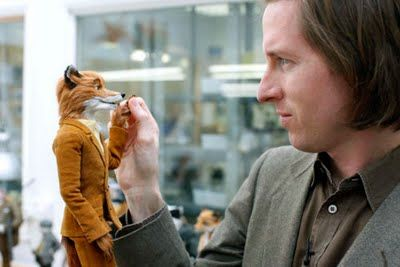
Stop motion is an animation technique which consists of the movement manipulation of objects which are photographed between each movement. It’s a very time-consuming way of animating. Some very commonly known films such as ‘Wallace and Grommit’, ‘The Night before Christmas’, ‘Coraline’ and ‘Fantastic Mr. Fox’ were all created using stop motion animation from big named directors such as Tim Burton and Wes Anderson.

Behind the scenes of Fantastic Mr. Fox, a stop motion classic (Albarran, 2020).

Fantastic Mr. Fox was under development for five years before it was released in 2009. The production of this film had a team of around 140 staff, 146 different sets and over 4,000 props. The lead role Mr. Fox took over 7-months to get the first model with around 535 puppets. The film is shot with 12 frames per second and uses around 125,000 individual pictures (Albarran, 2020). The majority of stop motion animations are all developed using a team of people so as a class, we created our own stop motion animation in teams.

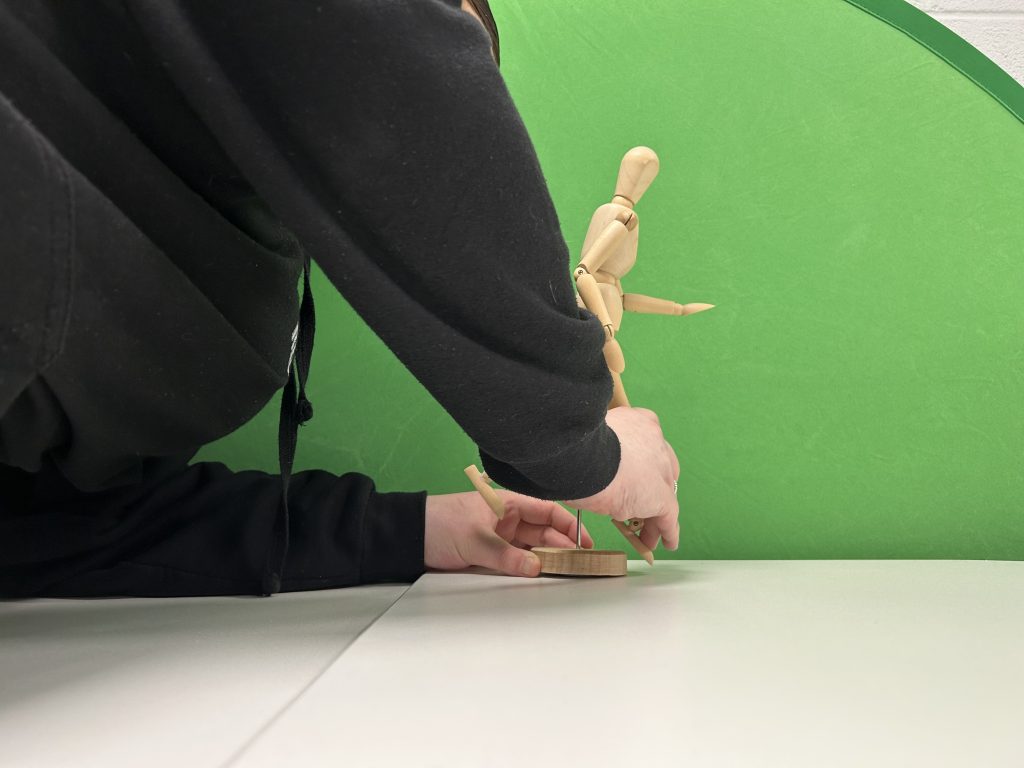
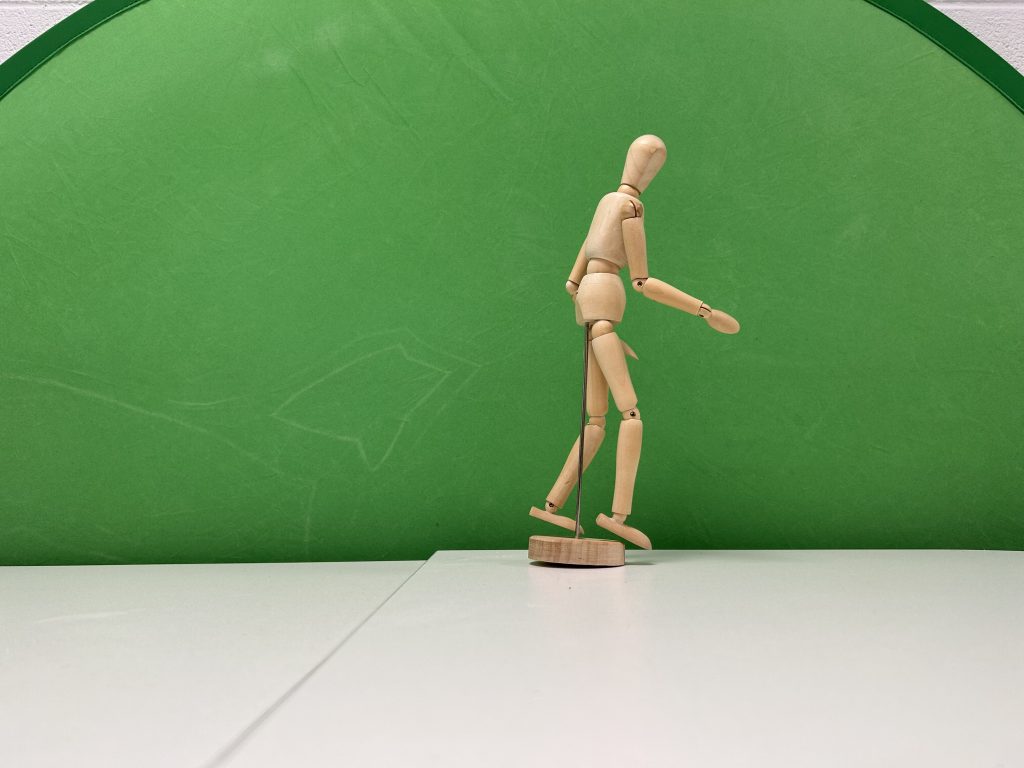
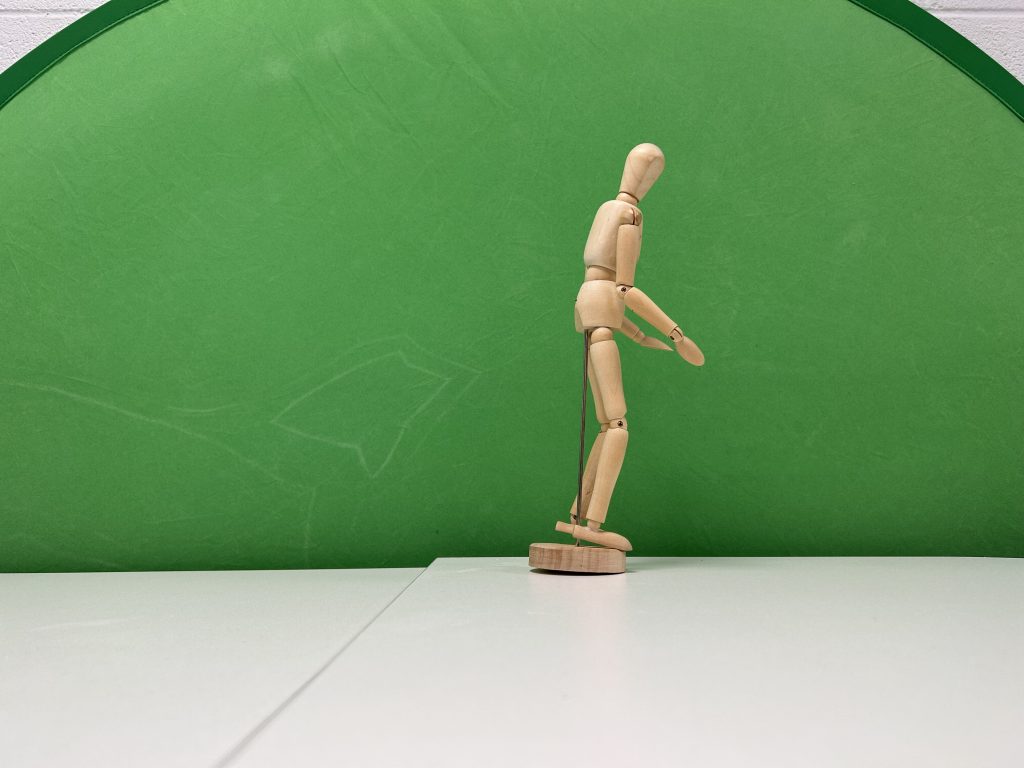
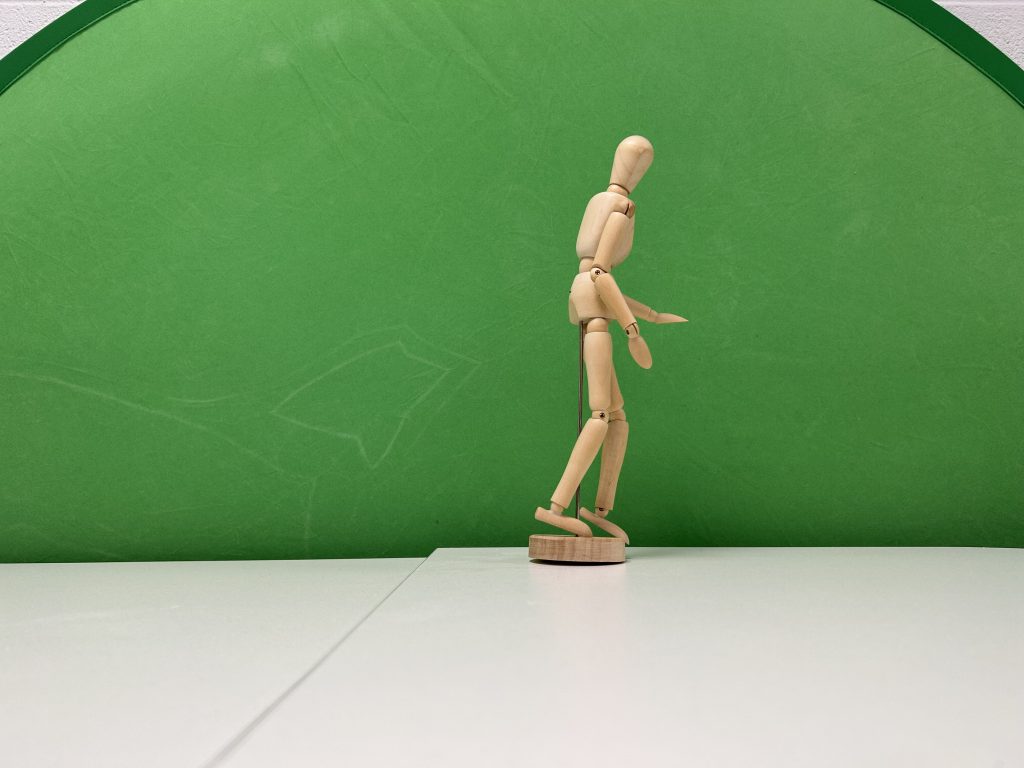
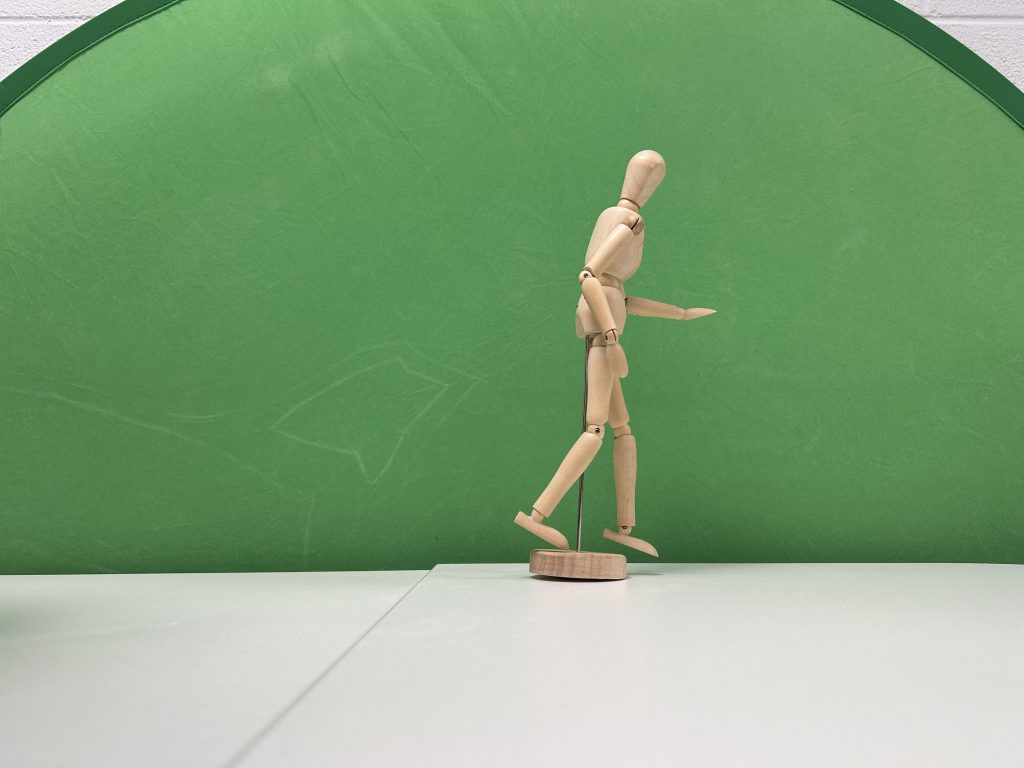
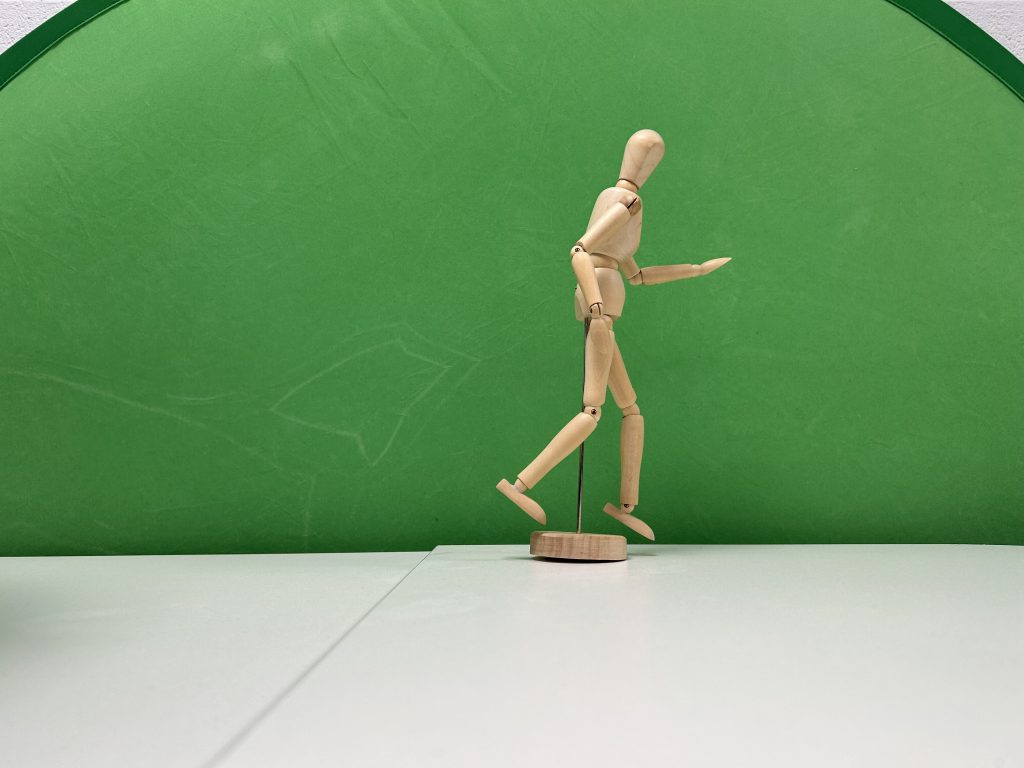
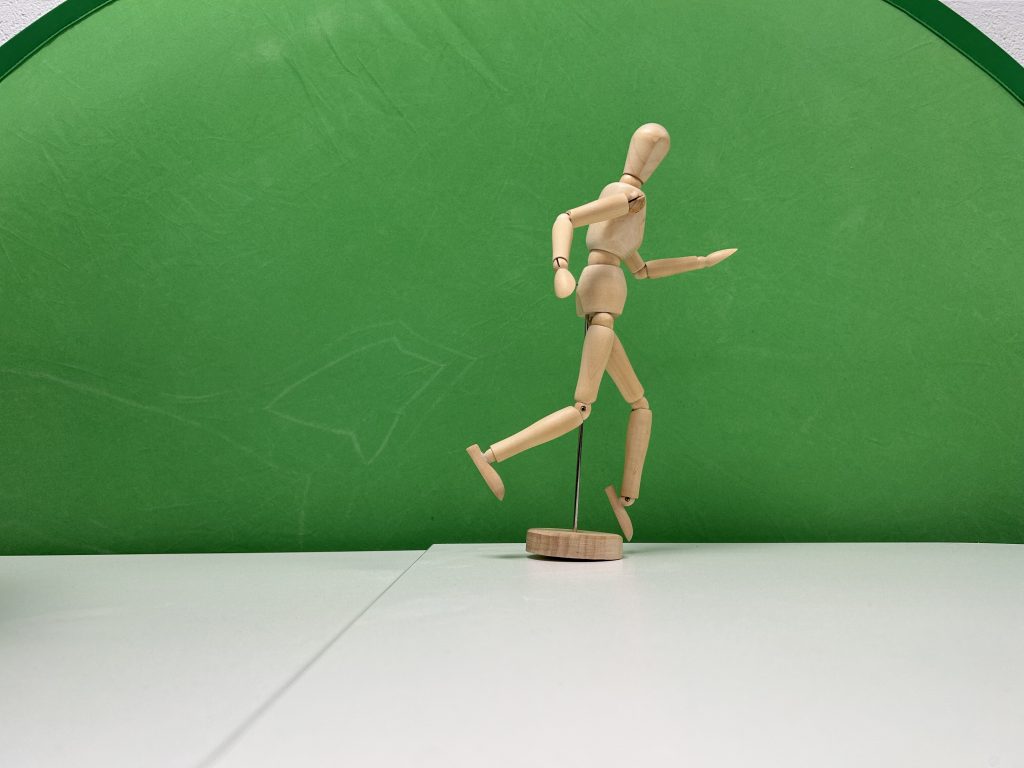
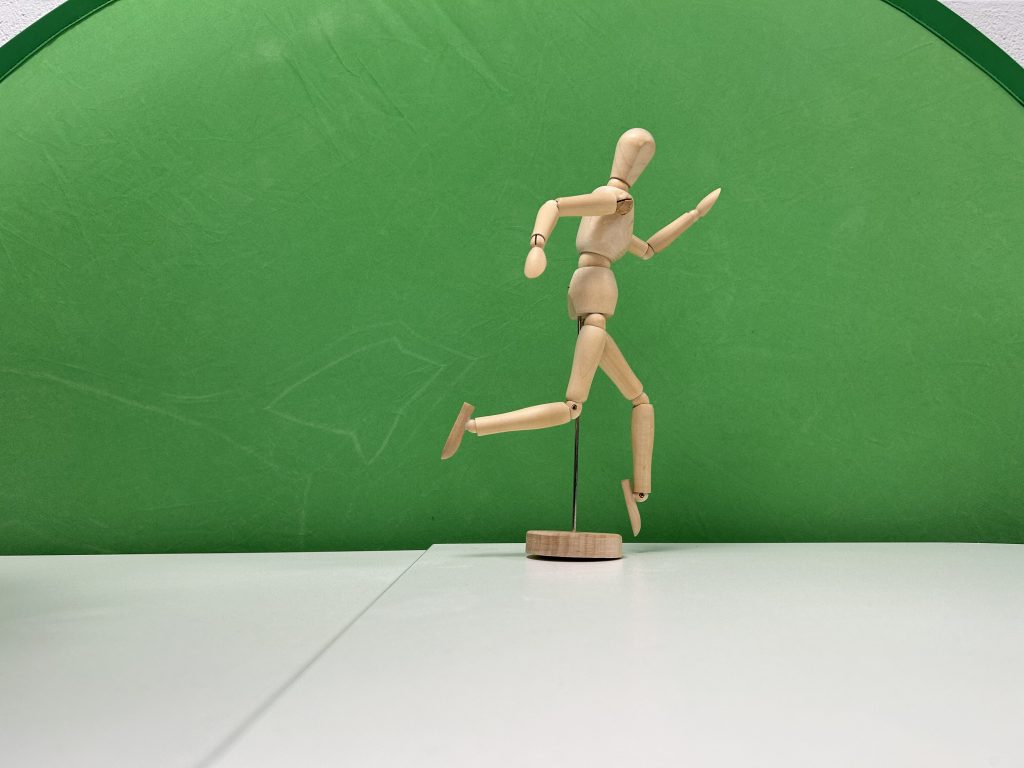
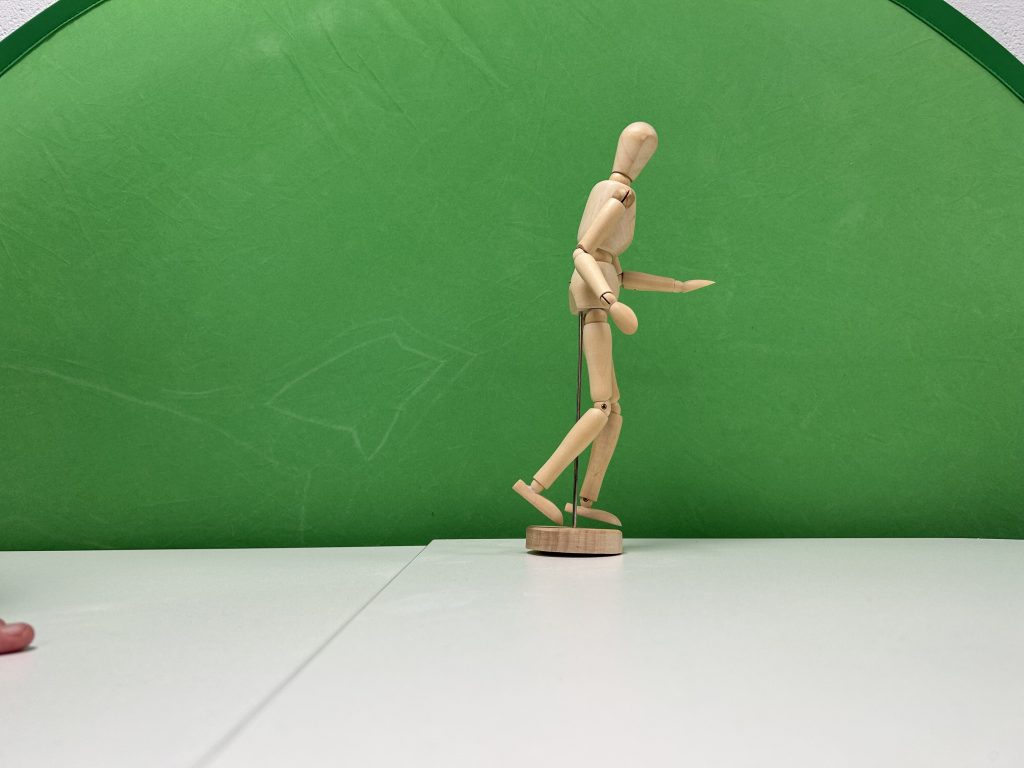
In a group of three, Sydney, Jordan, and myself, we developed our own stop motion animation using a mannequin, green screen, an iPhone camera, and a camera stand. As a team we planned to have the mannequin run during the animation.

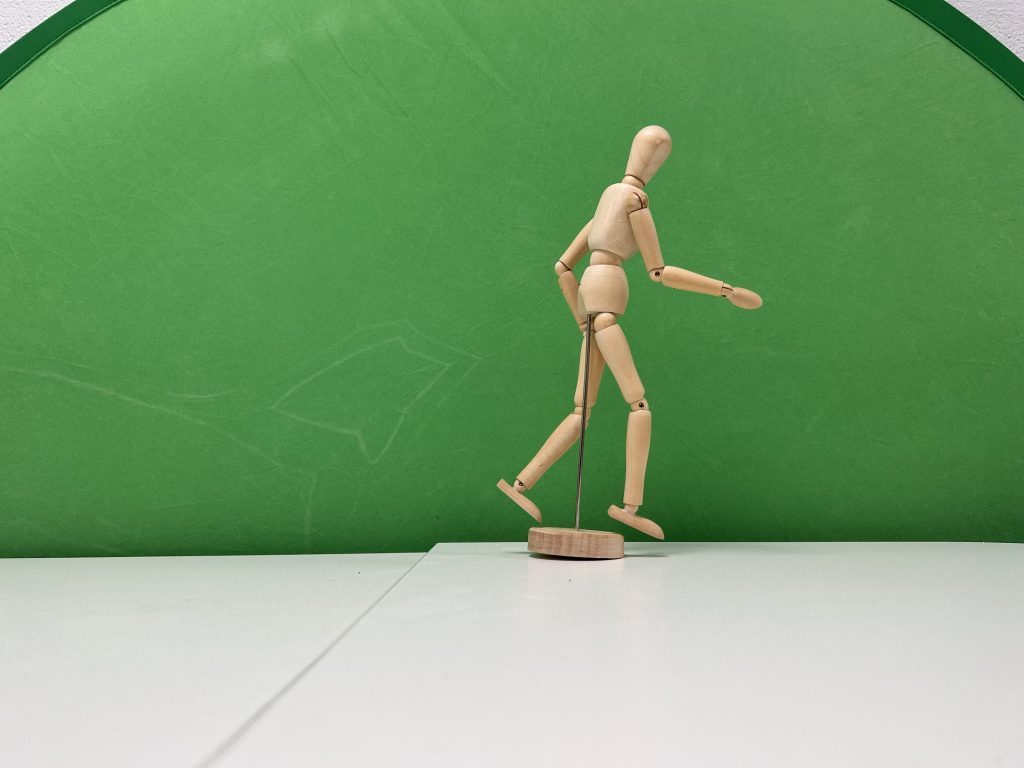
To create this animation, a team member moved the mannequin into a running position and another team member capture a photograph. Between each photo, the mannequin was delicately placed into another position, not one that would make a lot of difference but enough to create the running illusion when all the captured images are placed together. When only minimally moving the mannequin, the result looks a lot smoother and is clear to view what the object is doing. If there was a big difference in the mannequin’s positions in each photograph, the result would look unprofessional and choppy.

Behind the scenes of our own stop motion animation.

After all the photos were taken, they were then placed into a video editing app to add the photos together. The photos were put on a 0.1 second timer, using minimal seconds also adds to the smoothness of the result.

In conclusion, it is better to work as a team on something as delicate as stop motion animation. Working as a team also speeds up the process of the production, although this project only had a team of three, it was still a lot better then working individually with multiple things to do to create the animation.

References

Albarran, M. (2020) Eleven years of Fantastic Mr. Fox. Stop Motion Magazine. Available online: https://stopmotionmagazine.com/eleven-years-of-fantastic-mr-fox/#:~:text=For%20their%20leading%20character%2C%20%E2%80%9CIt [Accessed 12 Apr. 2023].

Categories
Development Log

Conceptual Energy Drink Animation Storyboard

Storyboarding allows one to enhance their vision of how they want a final product to look, it allows a person to further present and explain their ideas visually to their team members, this works best in the creative industry.

With the packaging design complete for Boomer’s Brew, it was easier to now think of how the animation will look. With only 10 seconds, the animation had to show the three different package design and include a conceptual transition.

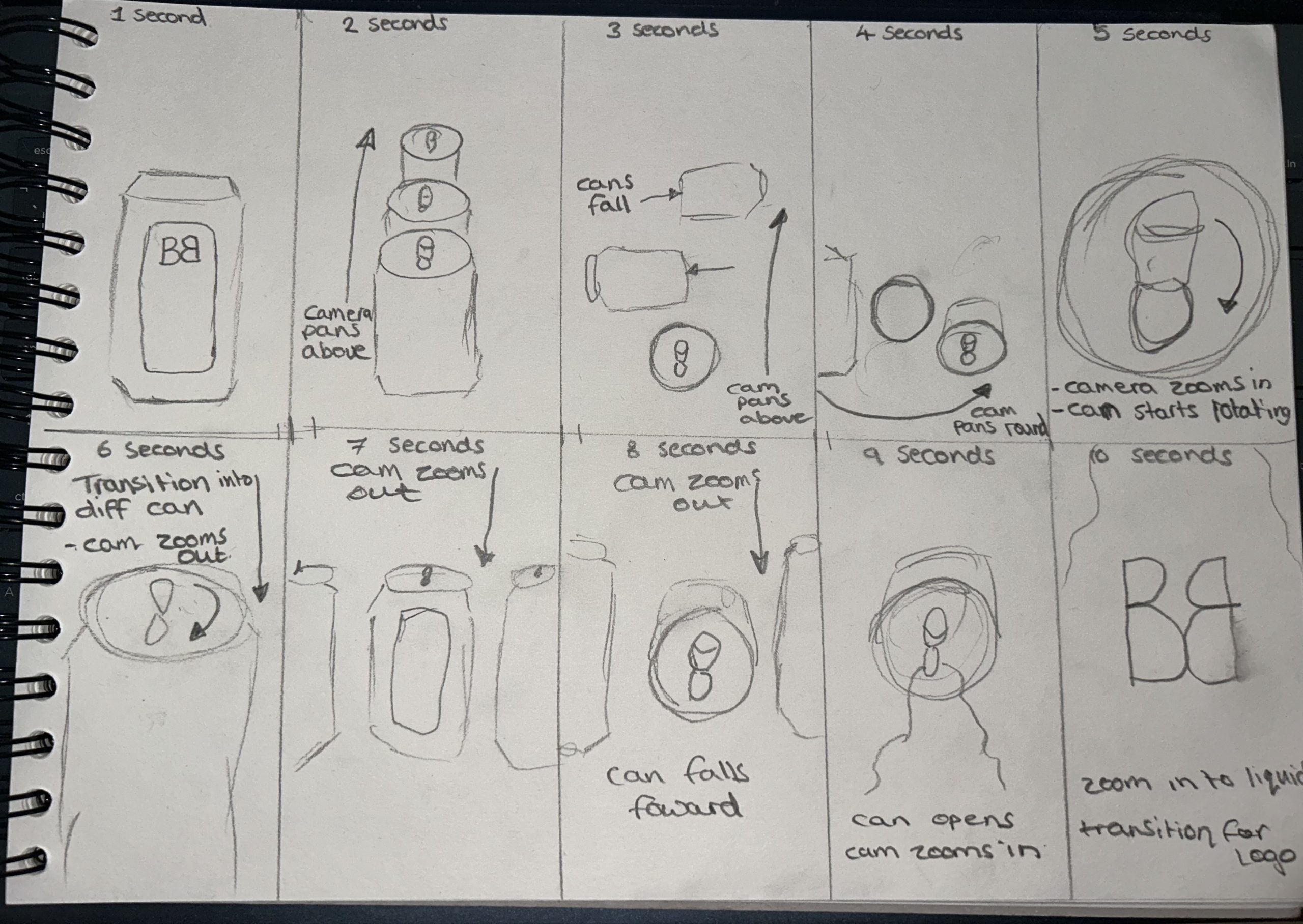
Rough sketch of the storyboard showing the transition through each second.

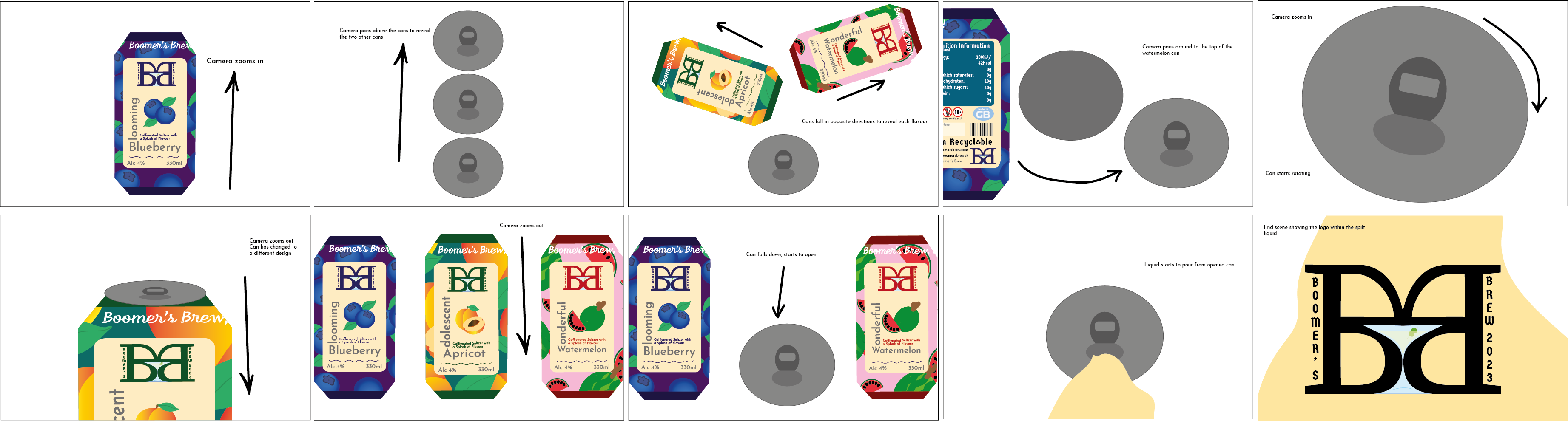
This is the first initial planning for the final animation, this rough sketch shows 10 frames for each second of the animation with added annotations. The aim is to start the animation off with a single can facing towards the camera, the camera will then pan above that can to reveal the top of the other two cans. Once the camera has reached a birds-eye view, the two cans will fall in opposite directions, thus revealing the labels and flavours to the camera. After the cans have fallen the camera will pan around to the top of the watermelon package, zooming further in as the can rotates, as the camera zooms back out the can will change to the apricot package, this will be the conceptual transition.

Using a conceptual transition within an advertisement creates more attraction towards the product, it also allows the producer to show the different variants of the product in a professional manner, in this case it is the different flavours of the energy drink.

Moving on to the seventh second of the animation, the camera will continue to zoom out, showing the three different cans stood side by side. The apricot can will fall over while opening and the beverage will start to spill. As the beverage is pouring out of the can the camera will start to zoom into the liquid, creating a background for the Boomer’s Brew logo to appear on.

Digitally enhanced storyboard with added annotations, developed with finalised package designs.

Each second of the animation had been thoroughly planned out, each second should contain 12 images and after 10 seconds the animation should use around 120 images. Each image should only play for 0.05 milliseconds to create a smooth, professional, and clean transition.

Categories
Development Log

Stop Motion Energy Drink Branding Animation

Boomer’s Brew stop motion animated advertisement.

Royalty free audio used from ‘Pixabay’.