Categories
Development Log

Energy Drink Package Design

Research and Inspiration

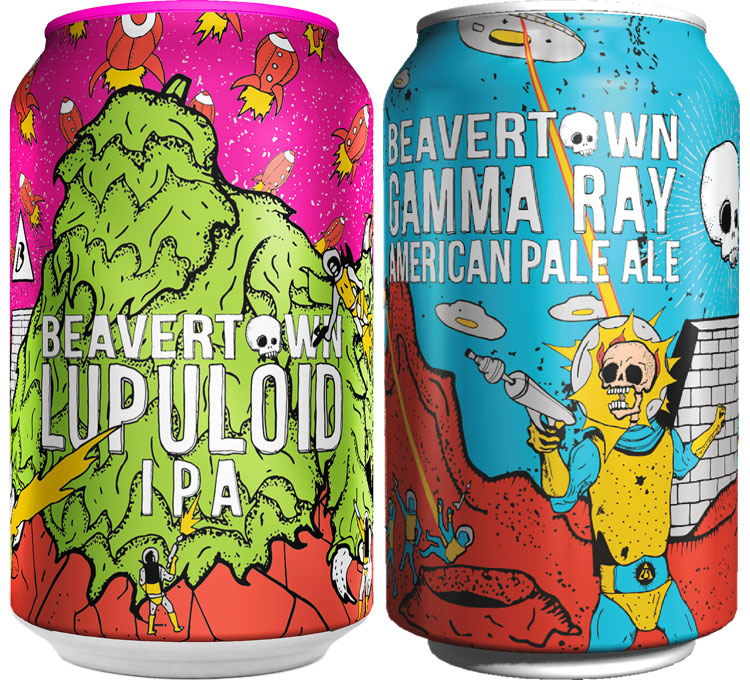
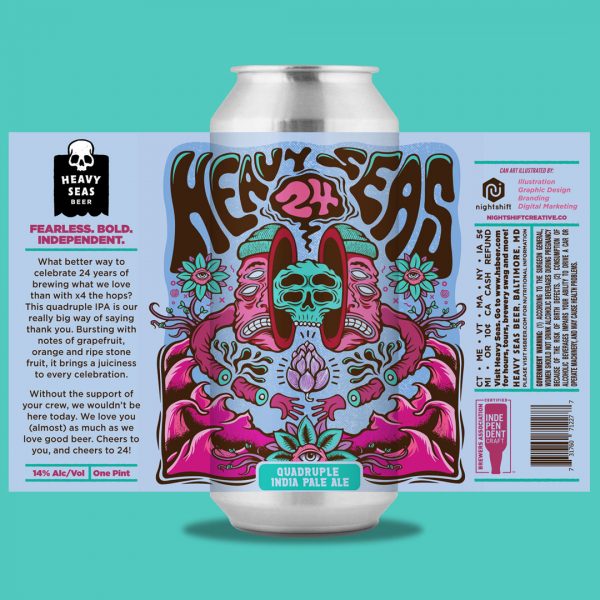
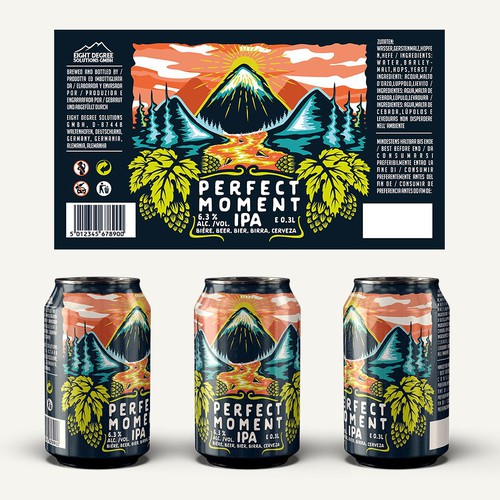
After receiving the brief for the energy drink branding, the first initial thought was to design the packaging like an IPA can. IPA can designs can be very chaotic, colourful and full of life. IPA cans are very artistic and always look as though a lot of time, planning and design has gone into the can. Having a can design like this on the shelves of supermarkets and it not being an IPA can attract a lot of people due to the sheer fact of it looking aesthetic but because this energy drink brand is aimed at the elder generation it was decided to develop something a little less chaotic and more minimal.
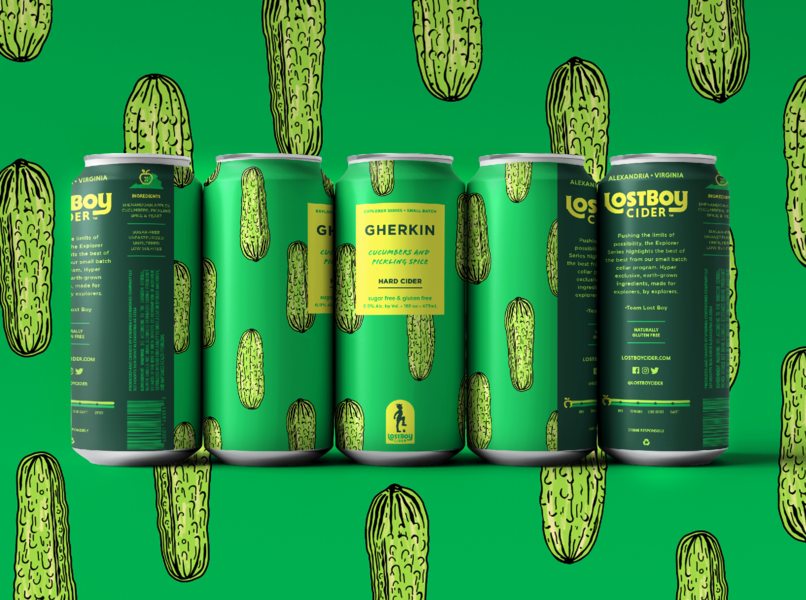
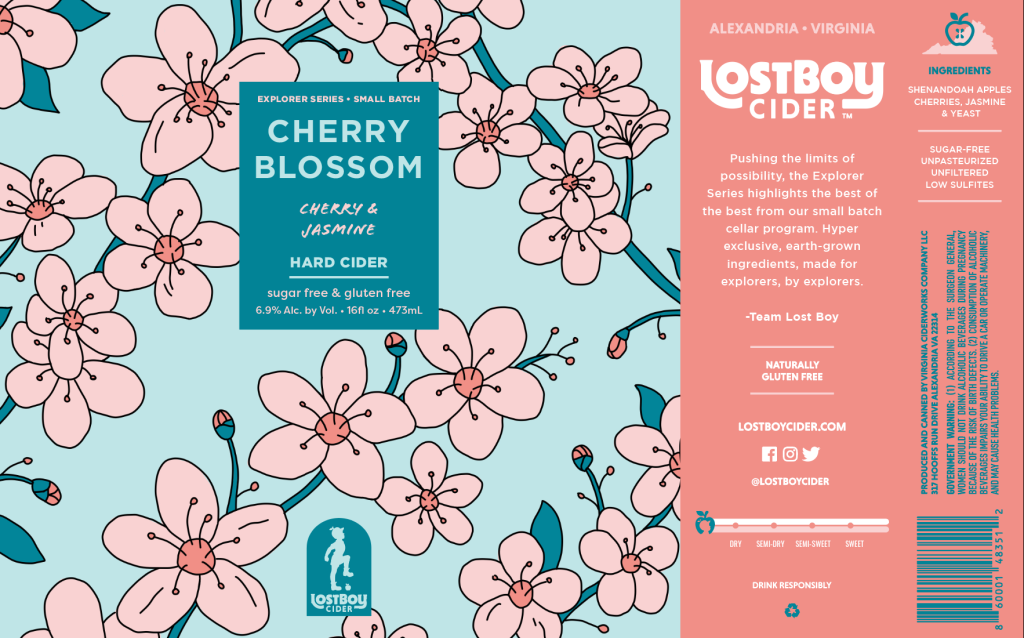
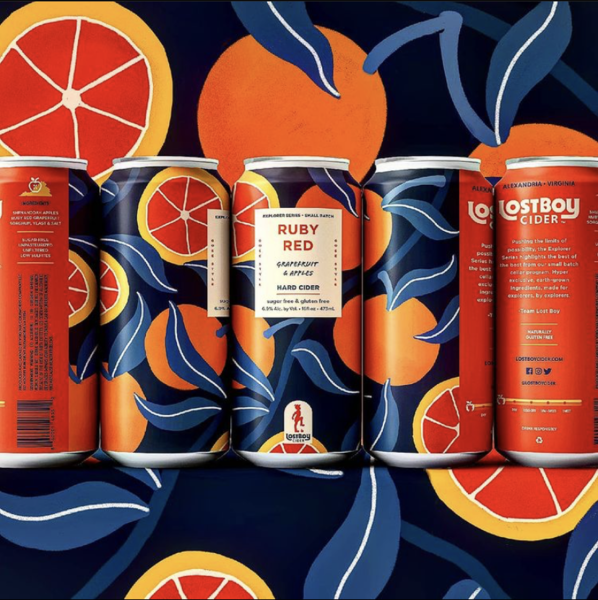
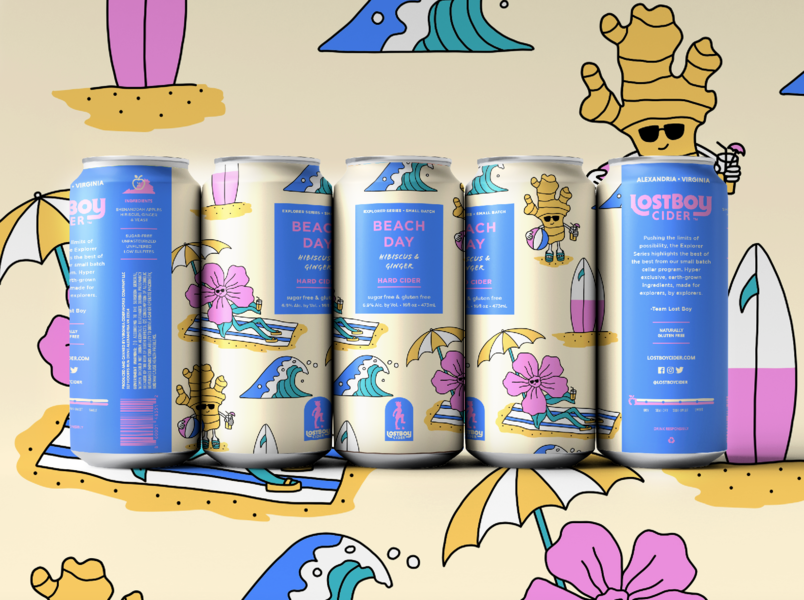
Another inspiring packaging design comes from the brand ‘Lostboy Cider’, specifically their explorer series. These can designs consist of illustrations wrapped around the can. Some have imagery of the drink flavours and other contain scenery. This type of design is still artistic and looks aesthetic yet it’s not chaotic like the first example of IPA cans.
The finalised energy drink concept will be a caffeinated seltzer with added flavouring called ‘Boomer’s Brew’. The initial design of the can has the flavour illustrated across the can for example, the first developed design is the Apricot flavour, this design will have an illustrated apricot repeated across the entire can. This creates an appealing aesthetic. Another reason for this design concept is for those within the elderly audience that have visual impairments or those that struggle to read, they will be able to seek out the flavour of the drink via the illustrations around the can. Three package designs have been developed and customised to fit the flavourings.
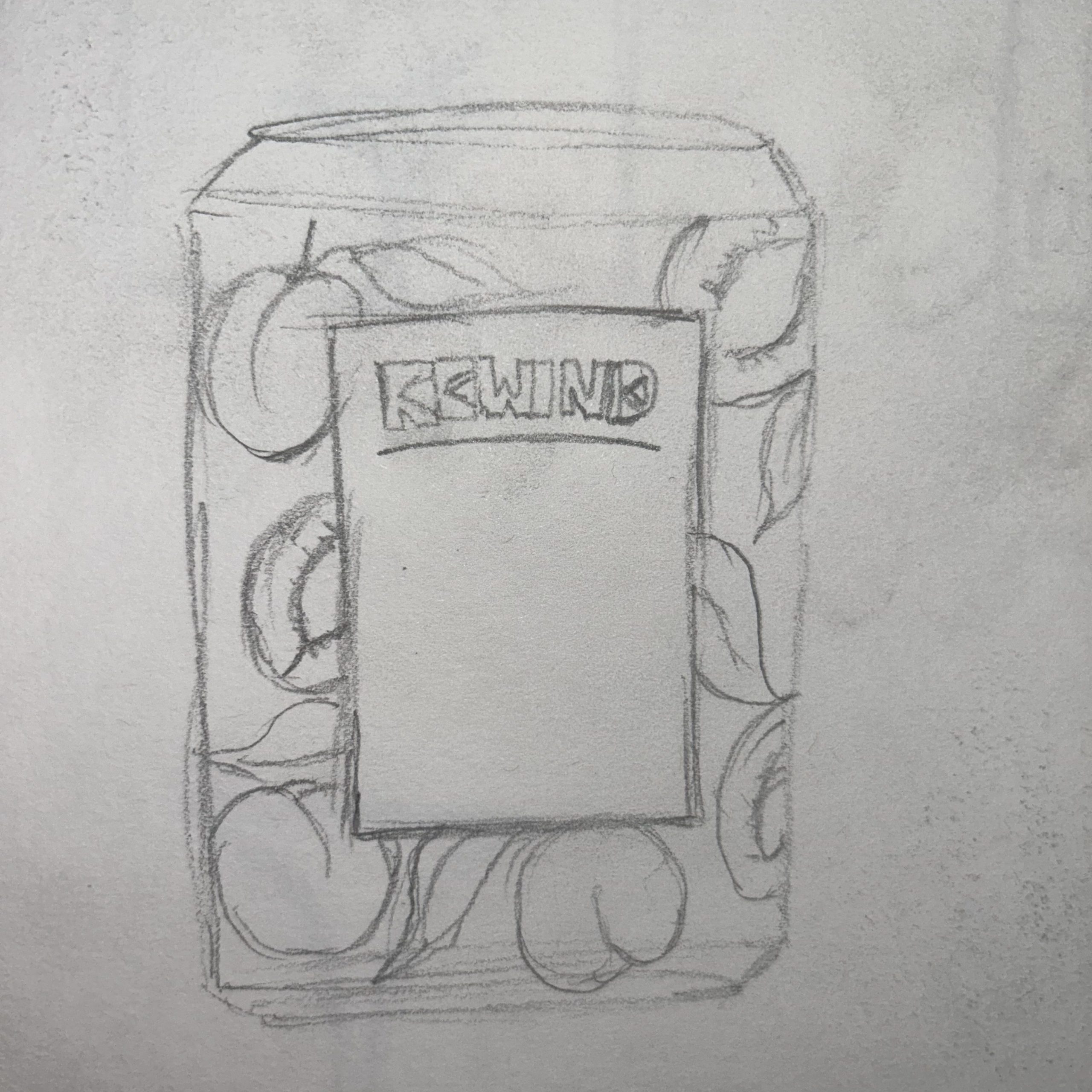
First sketch of the design plan using the rejected brand name ‘Rewind’.
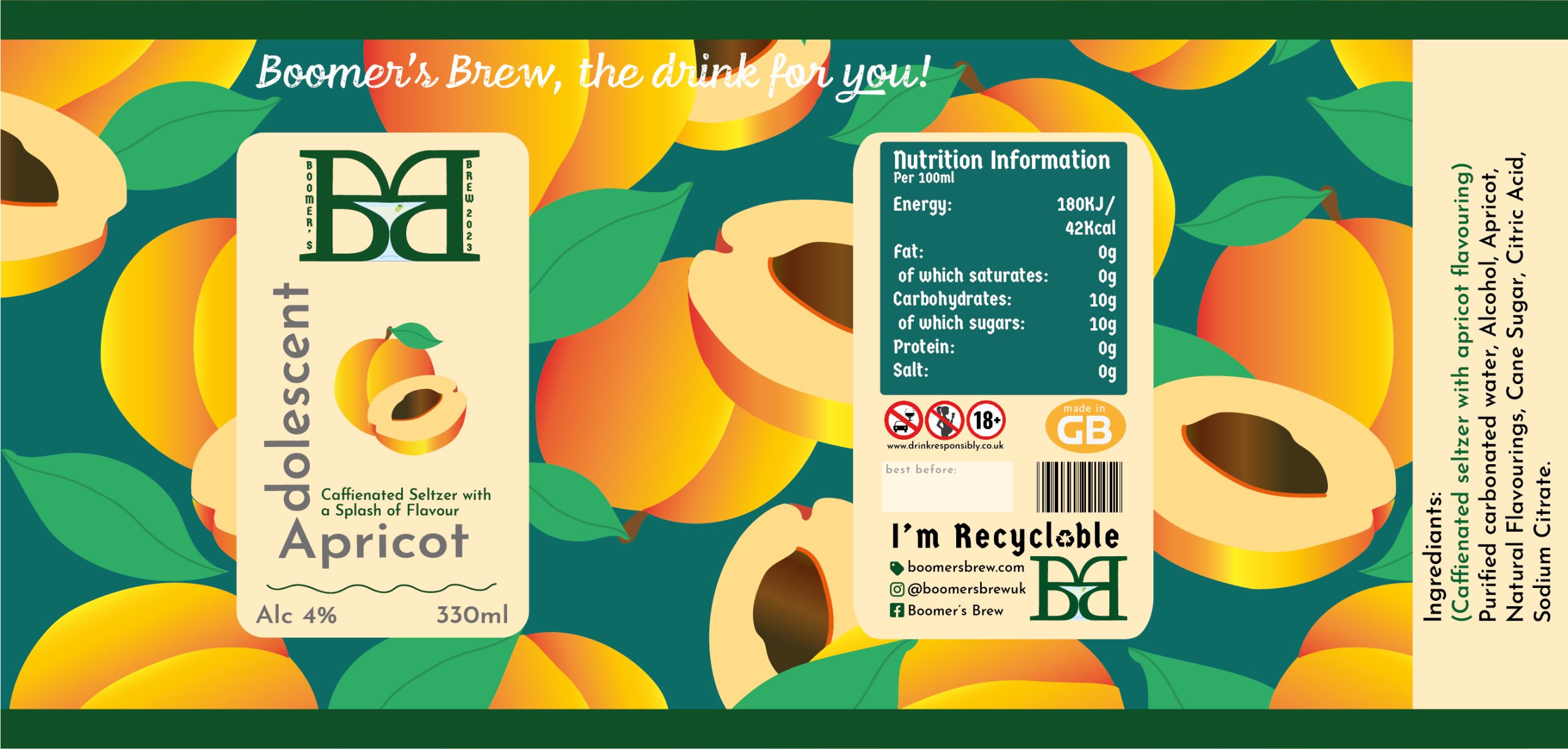
Packaging design for the Apricot Flavour called ‘Adolescent Apricot’.
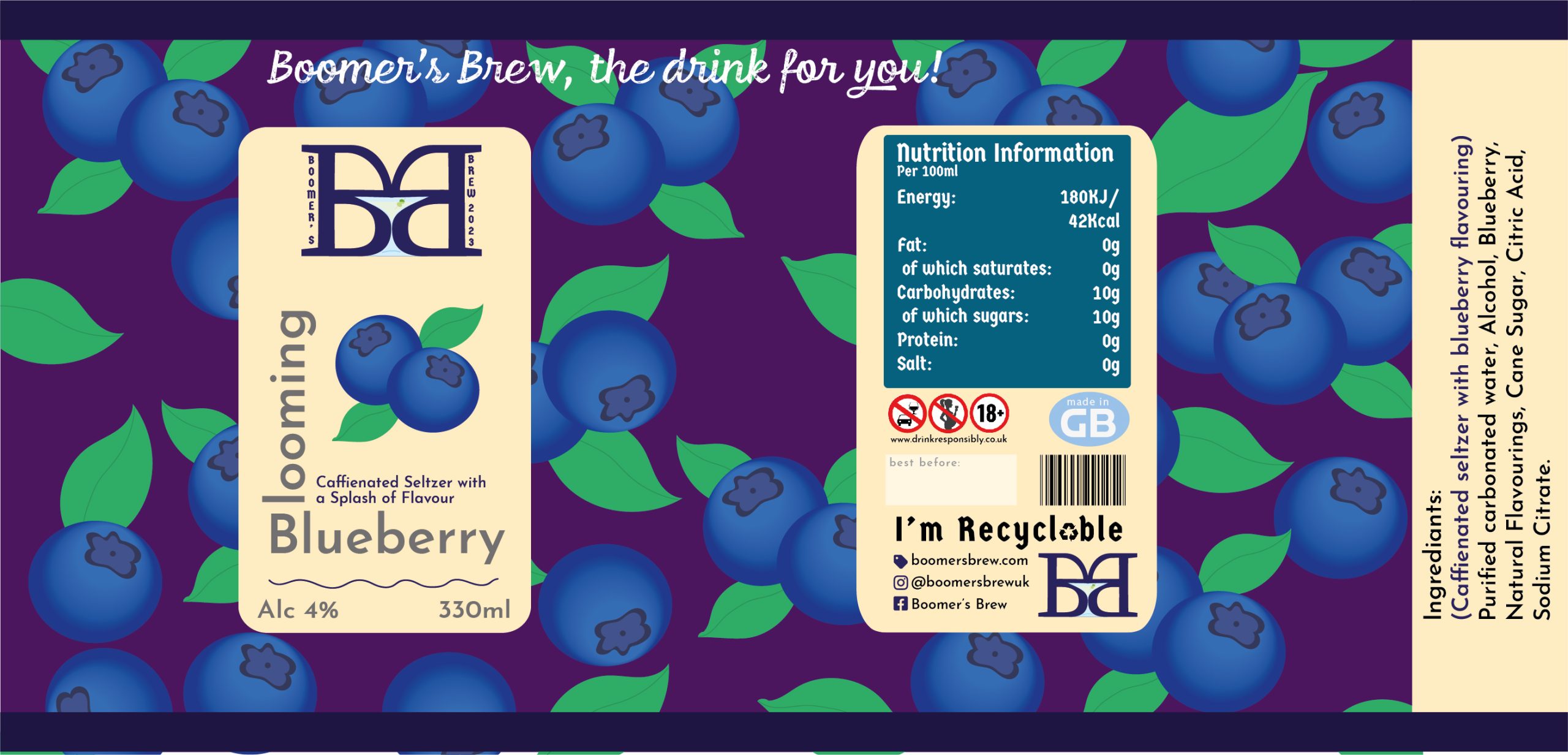
Second packaging design for the blueberry flavour called ‘Blooming Blueberry’.
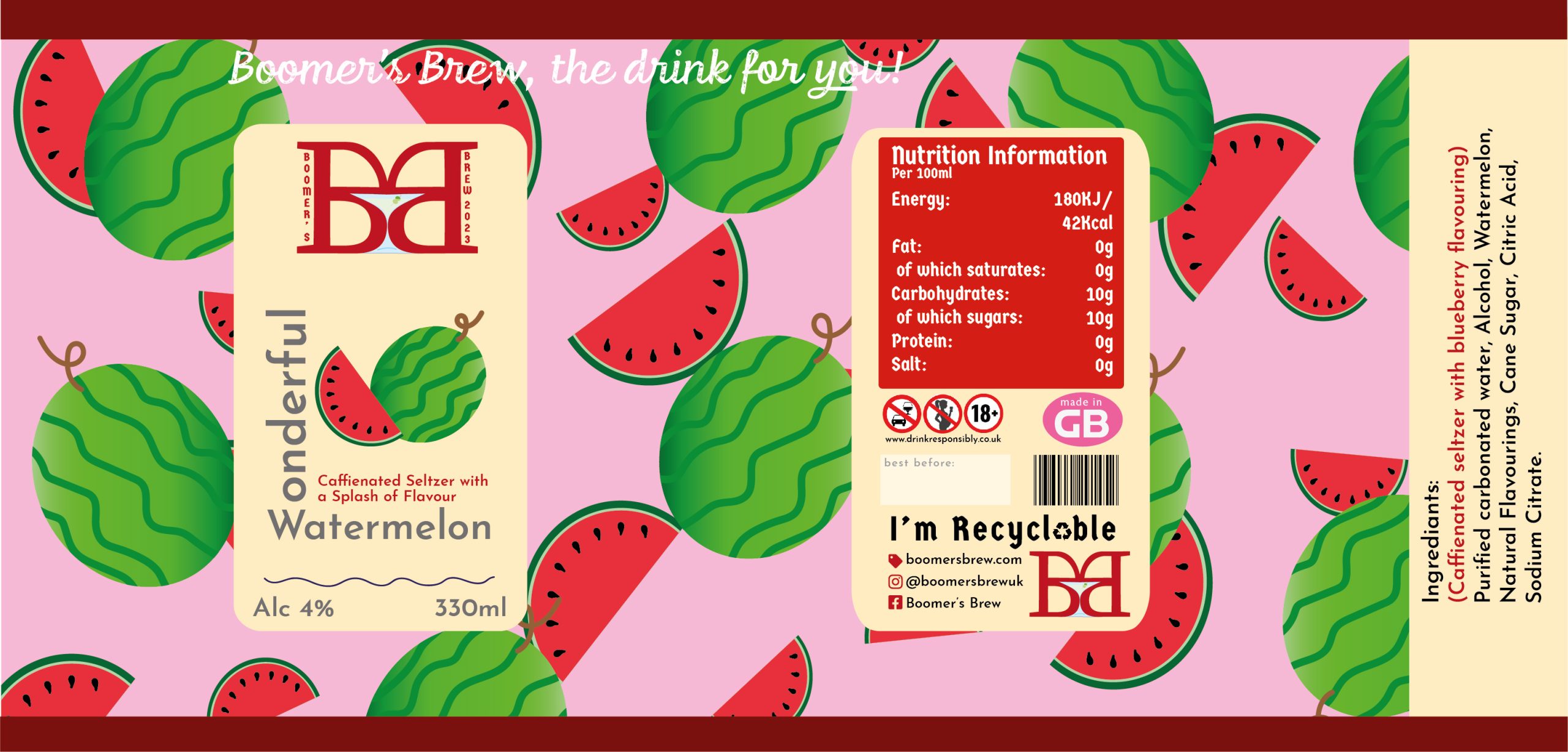
Third packaging design for the watermelon flavour called ‘Wonderful Watermelon’.

Other aspects to think about when designing a drink’s packaging are the nutritional values, the barcode, ingredients, and the brand’s contact details. With this being an alcoholic beverage, it is also important to include the drink responsibly website and icons showing not to drink and drive, not to drink pregnant and not to drink underage.

‘Every bit of ink on a graphic requires a reason. And nearly always that reason should be that ink presents new information.’ (Tufte, 1985, p.96). Using Tufte’s data-ink theory to develop the labels used on the packaging design, the front label will only contain the brand name, logo, the name of the flavour, what the drink is and imagery of the flavour whereas the label on the back of the can will display only the nutritional values, contact information, alcohol responsibilities and if the packaging can be recycled. The labels are minimal with a beige background colour and no border. Having minimal labels are more attractive to the elderly because it can be seen as vintage.
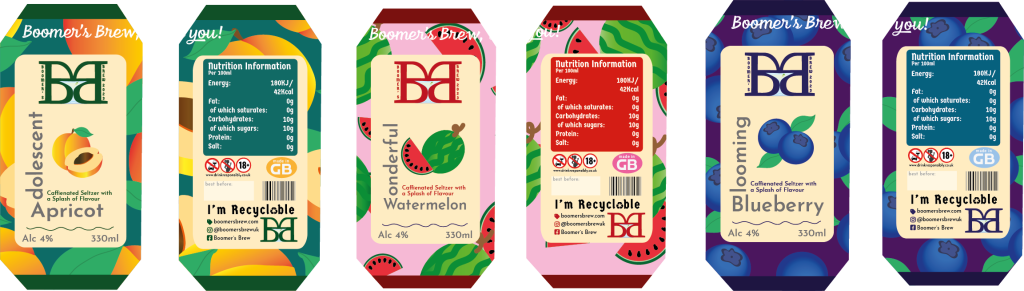
Rough visual of how the designs will look on a common can shape.

References

2021 explorer series – Gherkin. (n.d.) Lostboy Cider. Available online: https://www.lostboycider.com/shipped-cider-41-states/ [Accessed 12 Apr. 2023].

2021 explorer series – Ruby Red. (n.d.) Shop Ciders. Available online: https://shopciders.com/lost_boy_cider/explorer_series_-_ruby_red_66868 [Accessed 12 Apr. 2023].

2021 Explorer Series. (n.d.) Vino Shipper. Available online: https://vinoshipper.com/shop/lost_boy_cider/explorer_series_-_beach_day_75065?list= [Accessed 12 Apr. 2023].

Heavy Seas Announces 24 Anniversary Ale: Quadruple IPA. (n.d.) Craft Beer. Available online: https://www.craftbeer.com/news/beer-release/heavy-seas-announces-24-anniversary-ale-quadruple-ipa [Accessed 12 Apr. 2023].

Long, M. (2020) New Beavertown Brewery range. Design Week. Available online: https://www.designweek.co.uk/issues/7-13-december-2020/beavertown-brewery/ [Accessed 12 Apr. 2023].

McCormick, L. (n.d.) Cherry Blossom Can Design. Behance. Available online: https://www.behance.net/gallery/124270983/LostBoy-Cider-Cherry-Blossom-Can/modules/706175091 [Accessed 12 Apr. 2023].

Signature Brew Rewind. (n.d.) eEbria Trade. Available online: https://www.eebriatrade.com/products/beer/signature-brew/35228-rewind [Accessed 12 Apr. 2023].

Tufte, E.R. (1985) The Visual display of quantitative information. Cheshire, Conn.: Graphics Press, 96.

Wintrygrey (n.d.) Craft Beer Label. 99 Designs. Available online: https://99designs.co.uk/profiles/wintrygrey/designs/894368 [Accessed 12 Apr. 2023].
Categories
Development Log

Stop Motion Teamworking Evidence

Stop motion is an animation technique which consists of the movement manipulation of objects which are photographed between each movement. It’s a very time-consuming way of animating. Some very commonly known films such as ‘Wallace and Grommit’, ‘The Night before Christmas’, ‘Coraline’ and ‘Fantastic Mr. Fox’ were all created using stop motion animation from big named directors such as Tim Burton and Wes Anderson.

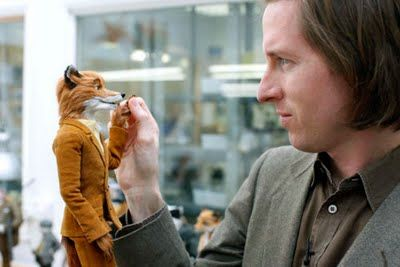
Behind the scenes of Fantastic Mr. Fox, a stop motion classic (Albarran, 2020).

Fantastic Mr. Fox was under development for five years before it was released in 2009. The production of this film had a team of around 140 staff, 146 different sets and over 4,000 props. The lead role Mr. Fox took over 7-months to get the first model with around 535 puppets. The film is shot with 12 frames per second and uses around 125,000 individual pictures (Albarran, 2020). The majority of stop motion animations are all developed using a team of people so as a class, we created our own stop motion animation in teams.

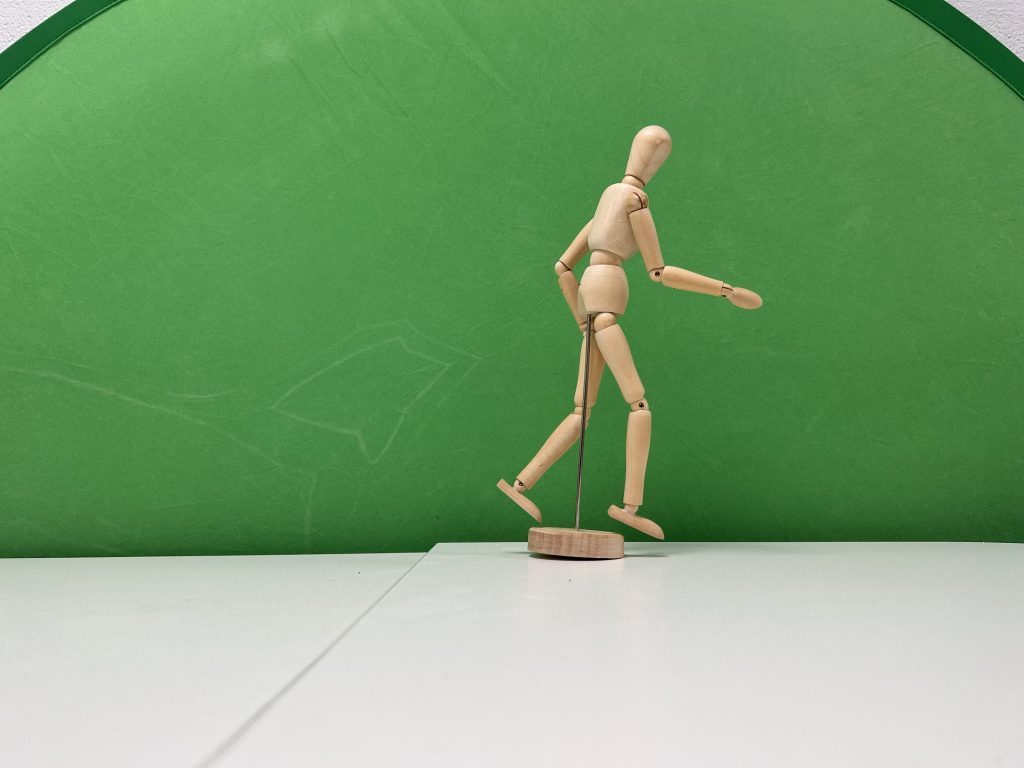
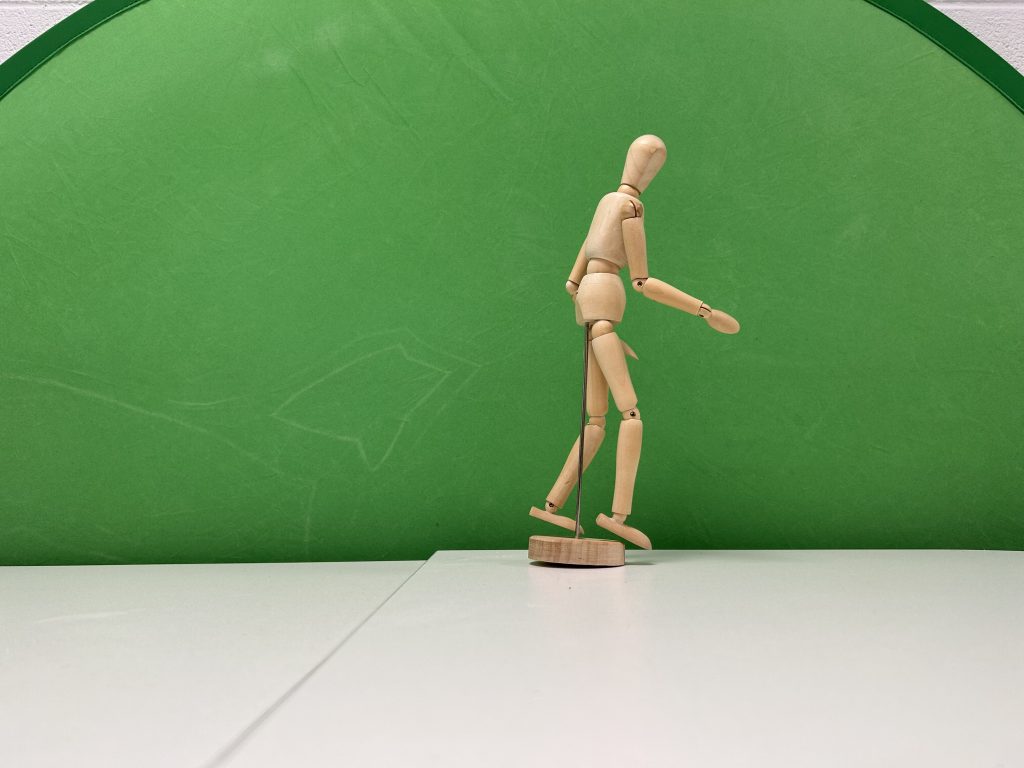
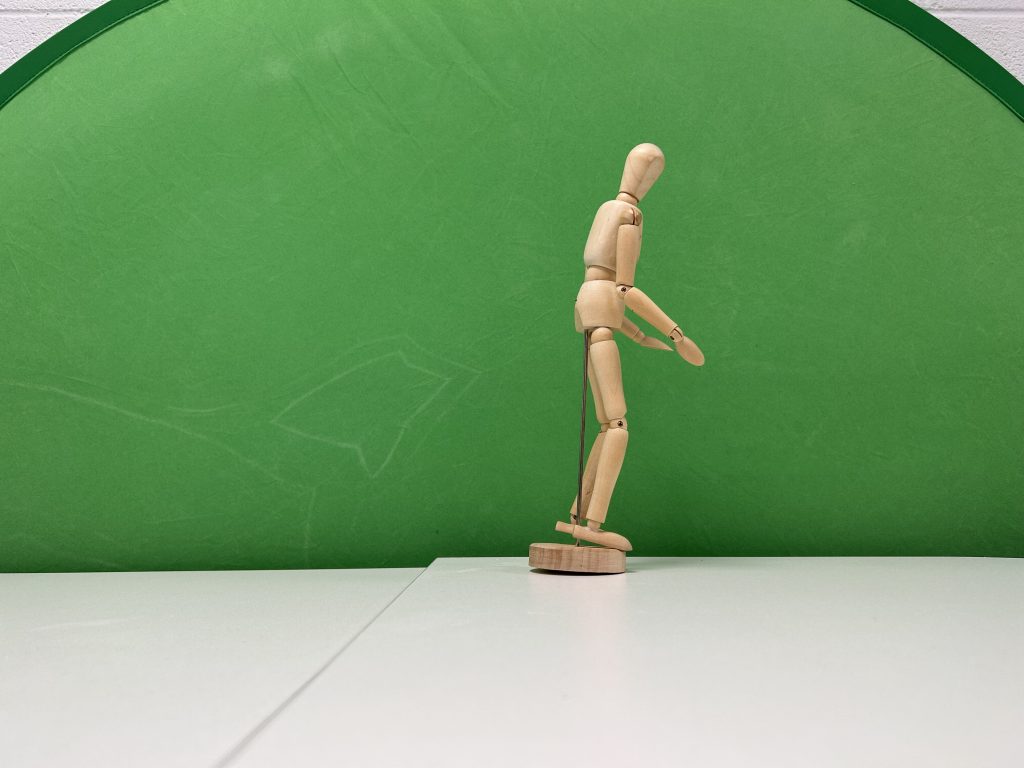
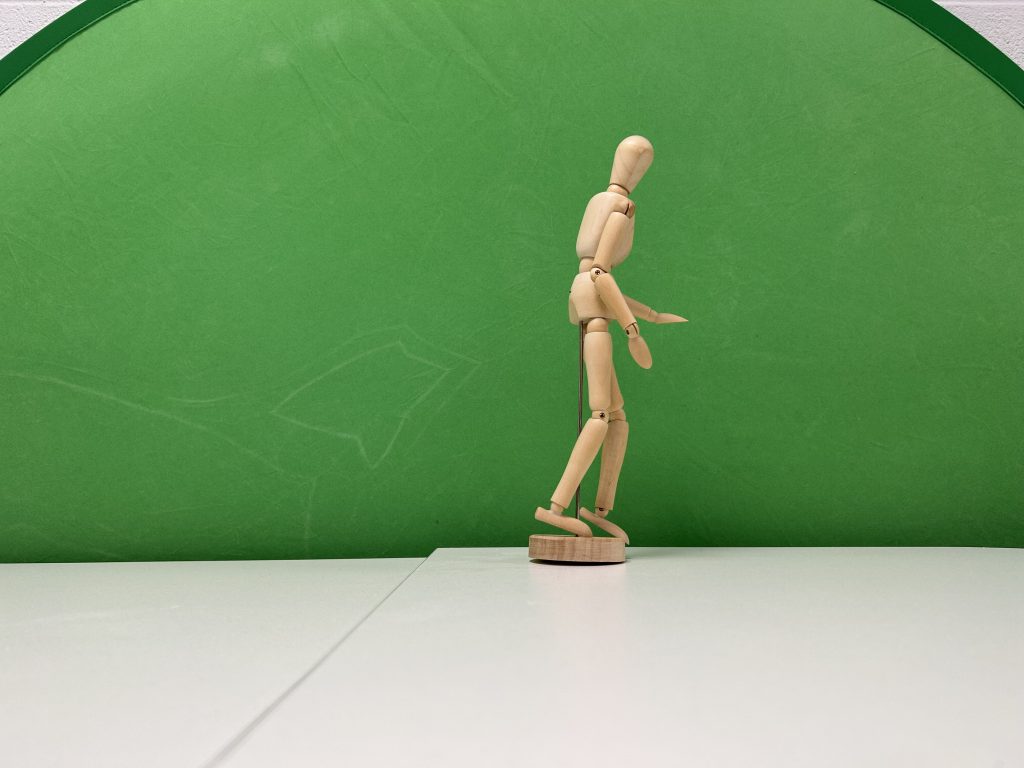
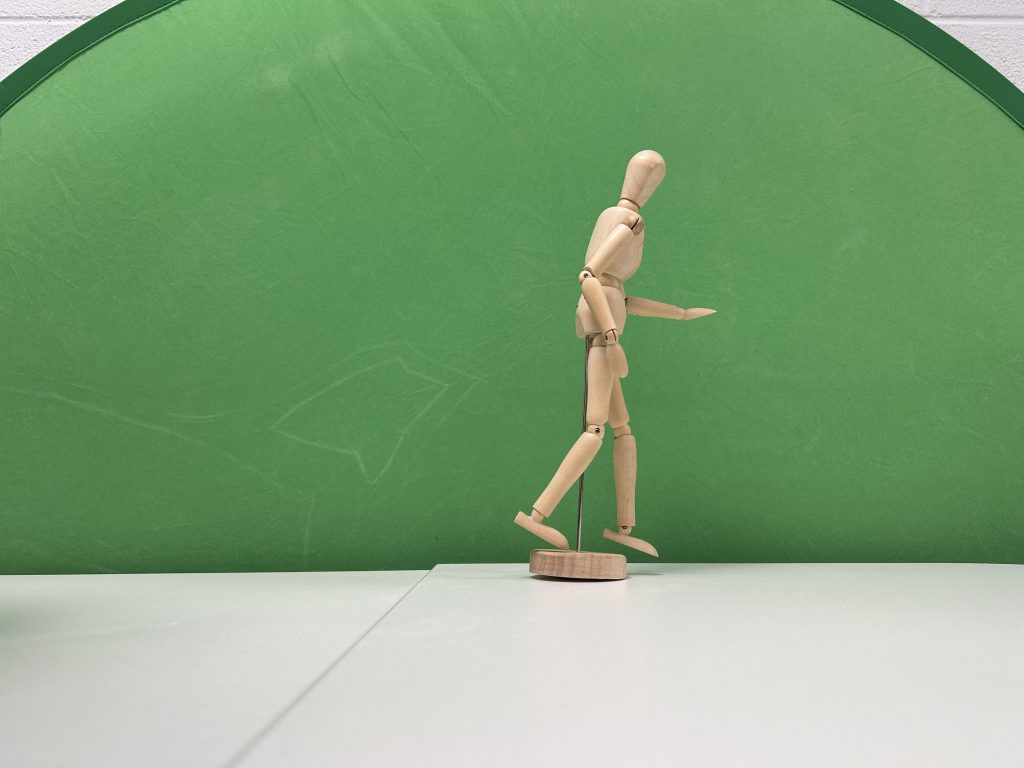
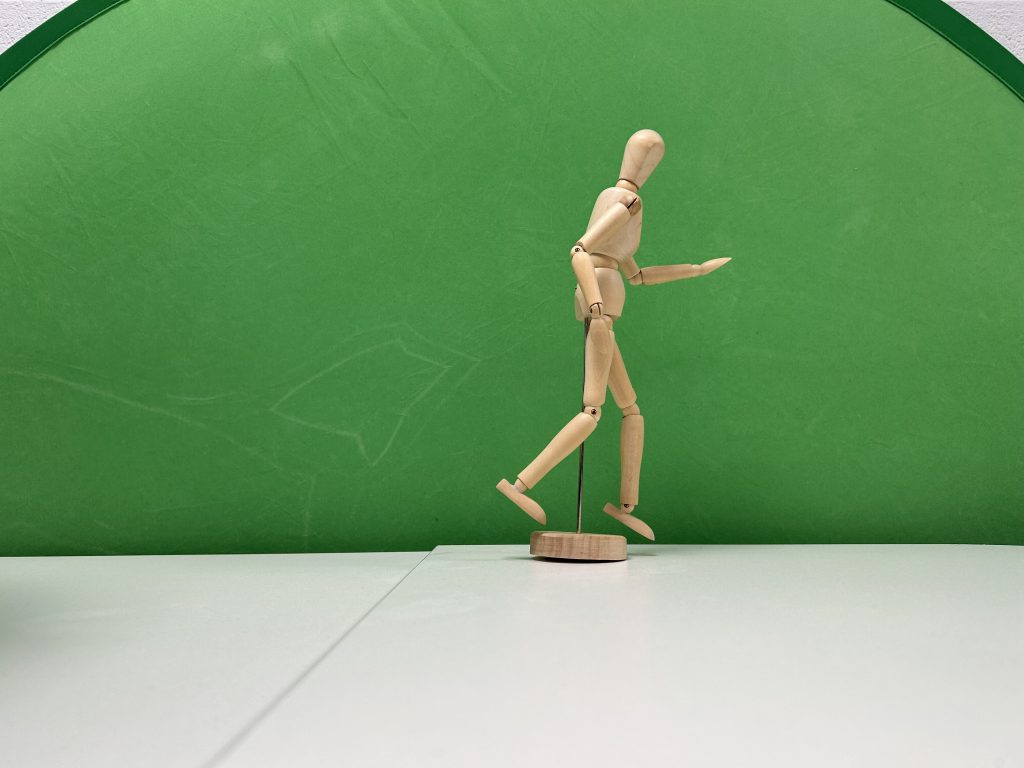
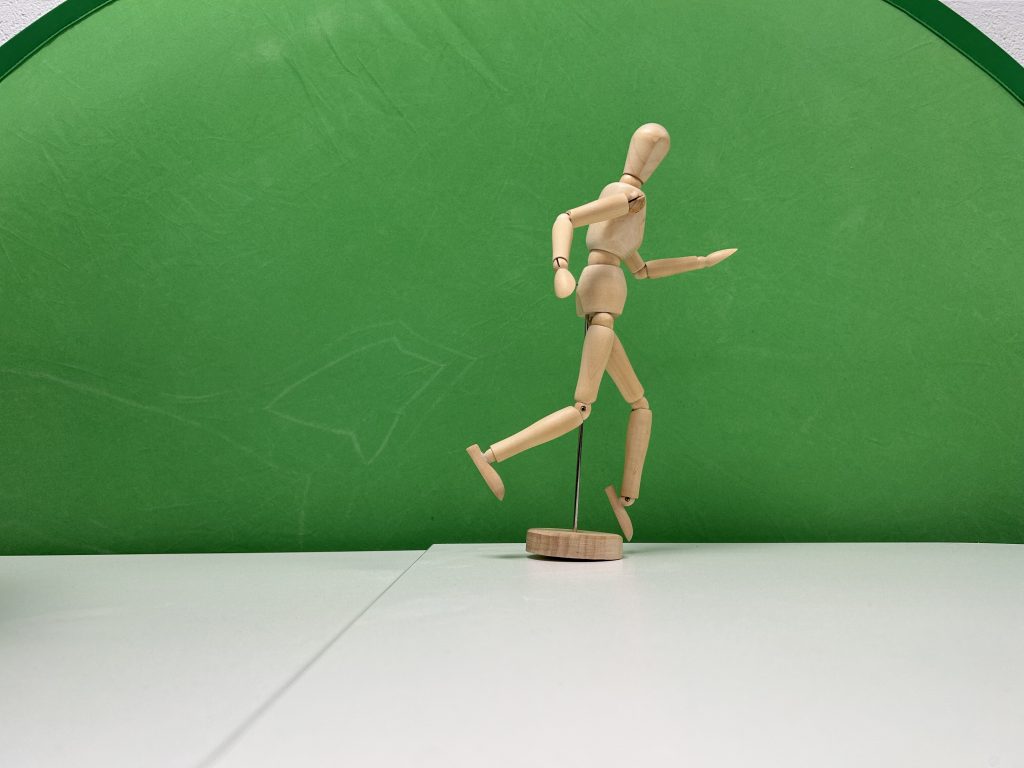
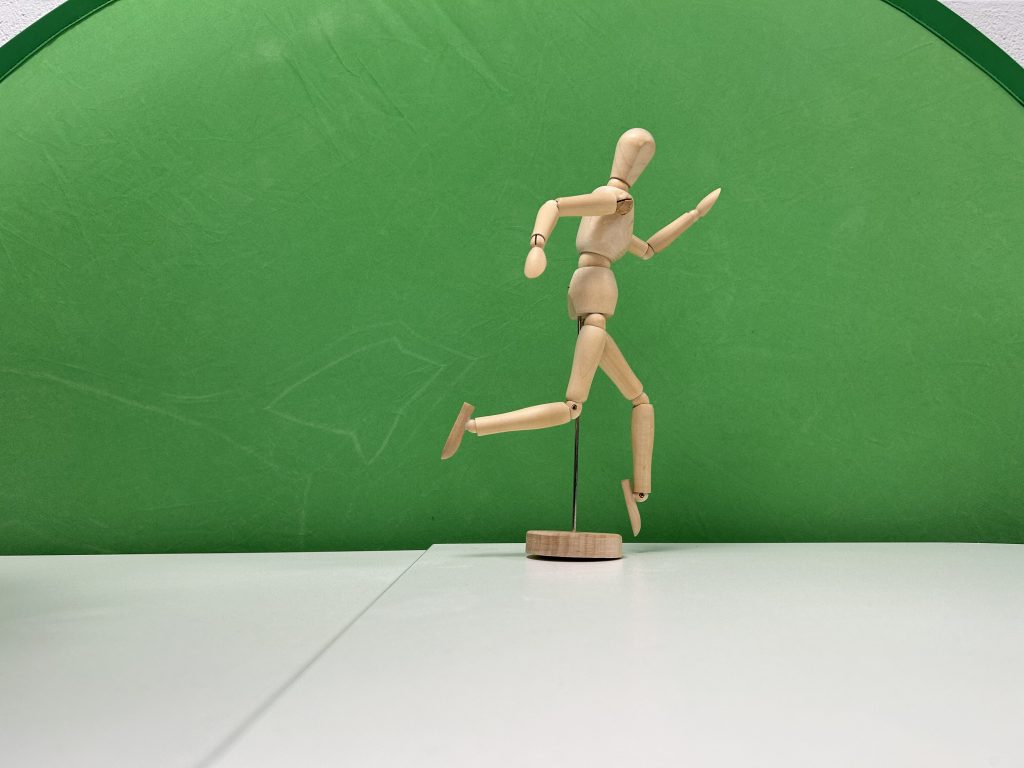
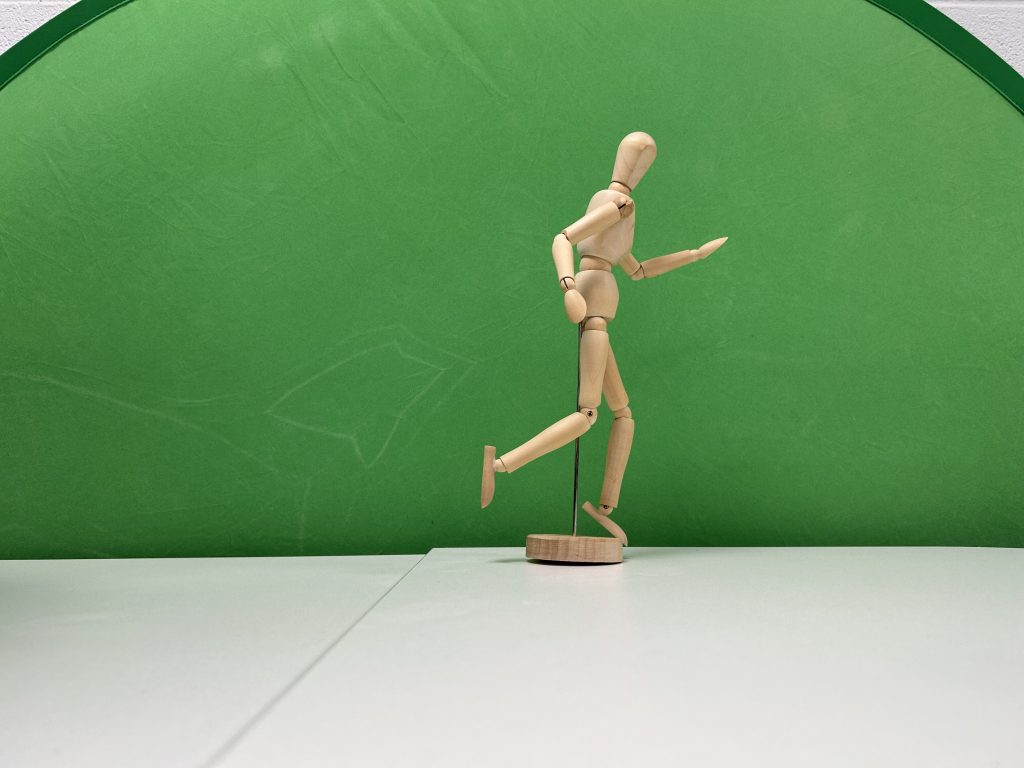
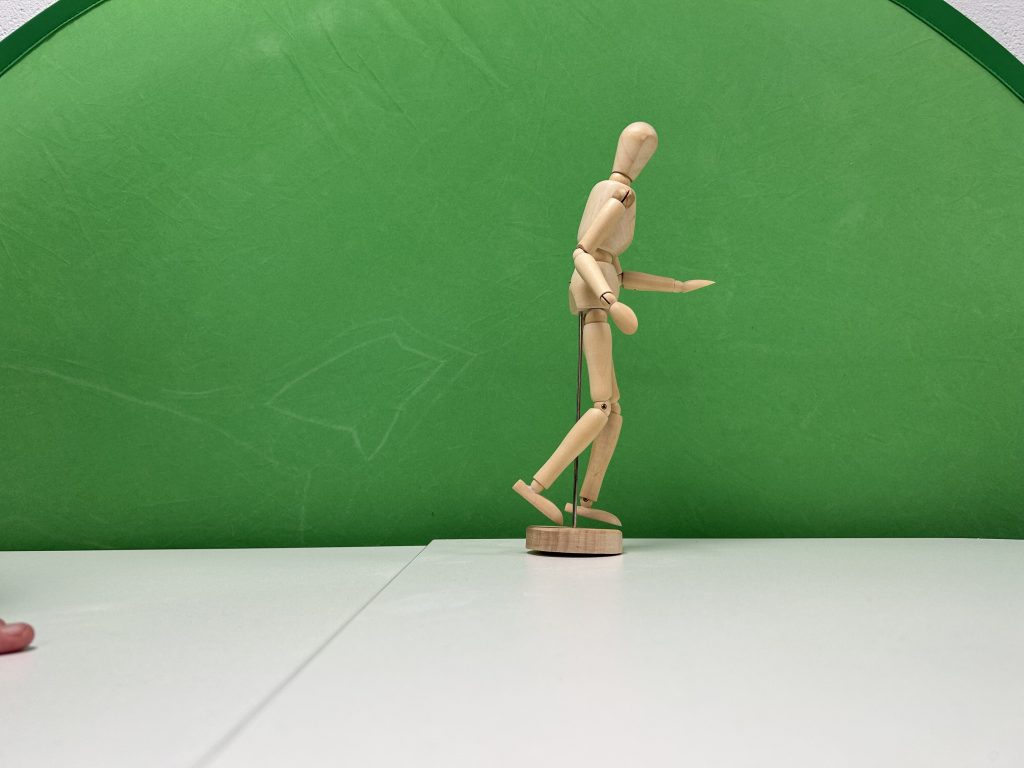
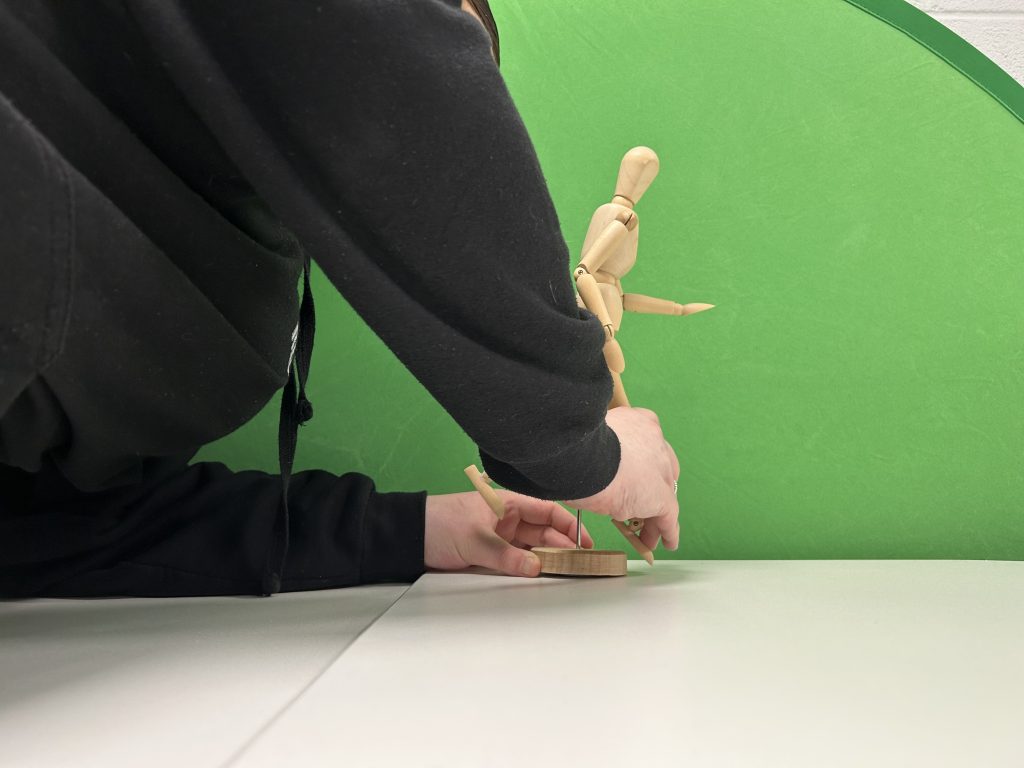
In a group of three, Sydney, Jordan, and myself, we developed our own stop motion animation using a mannequin, green screen, an iPhone camera, and a camera stand. As a team we planned to have the mannequin run during the animation.

To create this animation, a team member moved the mannequin into a running position and another team member capture a photograph. Between each photo, the mannequin was delicately placed into another position, not one that would make a lot of difference but enough to create the running illusion when all the captured images are placed together. When only minimally moving the mannequin, the result looks a lot smoother and is clear to view what the object is doing. If there was a big difference in the mannequin’s positions in each photograph, the result would look unprofessional and choppy.

Behind the scenes of our own stop motion animation.

After all the photos were taken, they were then placed into a video editing app to add the photos together. The photos were put on a 0.1 second timer, using minimal seconds also adds to the smoothness of the result.

In conclusion, it is better to work as a team on something as delicate as stop motion animation. Working as a team also speeds up the process of the production, although this project only had a team of three, it was still a lot better then working individually with multiple things to do to create the animation.

References

Albarran, M. (2020) Eleven years of Fantastic Mr. Fox. Stop Motion Magazine. Available online: https://stopmotionmagazine.com/eleven-years-of-fantastic-mr-fox/#:~:text=For%20their%20leading%20character%2C%20%E2%80%9CIt [Accessed 12 Apr. 2023].
Categories
Development Log

Conceptual Energy Drink Animation Storyboard

Storyboarding allows one to enhance their vision of how they want a final product to look, it allows a person to further present and explain their ideas visually to their team members, this works best in the creative industry.

With the packaging design complete for Boomer’s Brew, it was easier to now think of how the animation will look. With only 10 seconds, the animation had to show the three different package design and include a conceptual transition.

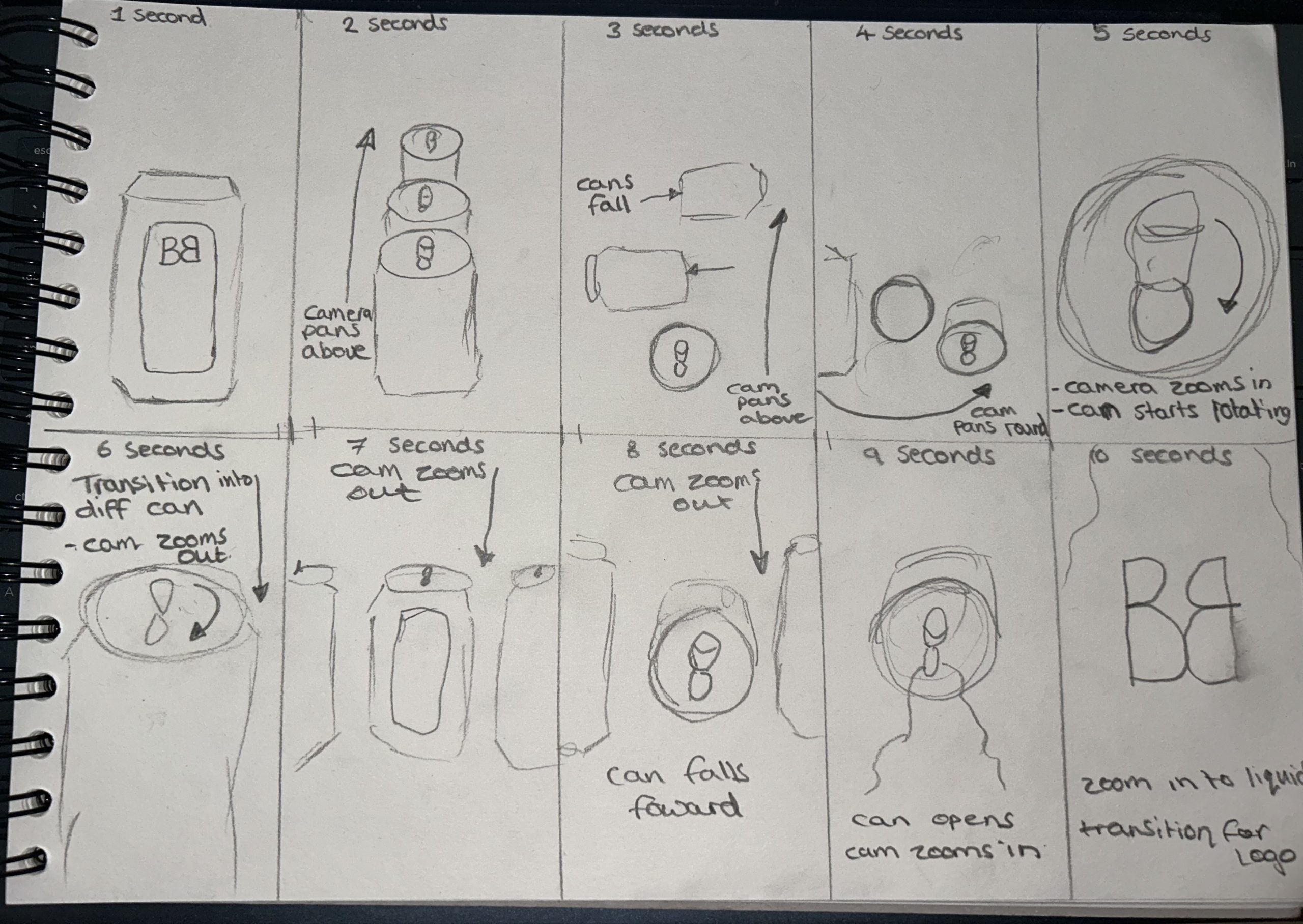
Rough sketch of the storyboard showing the transition through each second.

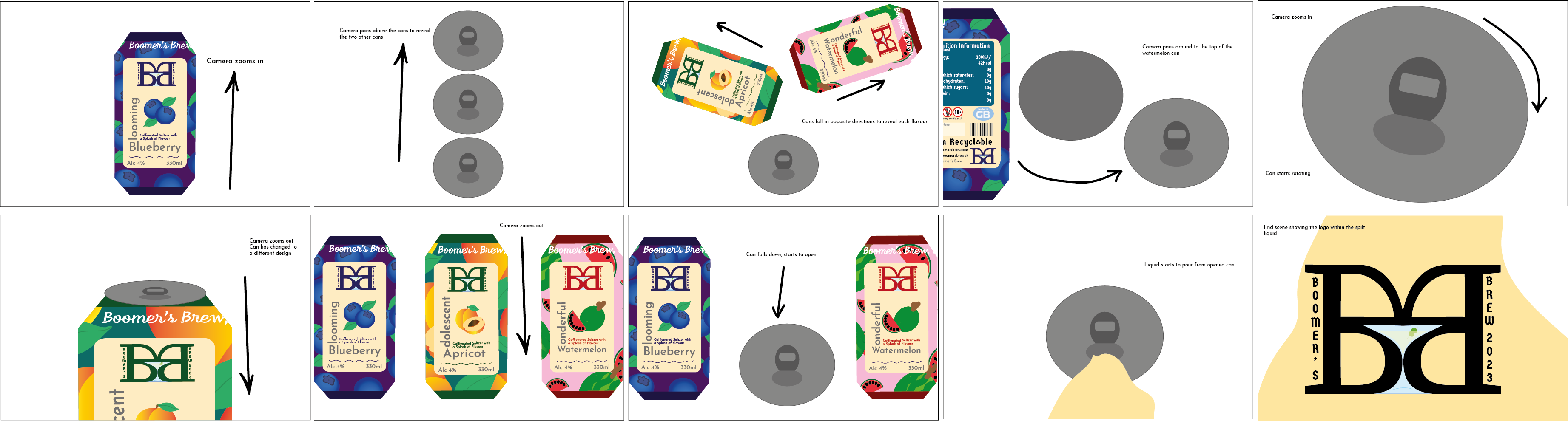
This is the first initial planning for the final animation, this rough sketch shows 10 frames for each second of the animation with added annotations. The aim is to start the animation off with a single can facing towards the camera, the camera will then pan above that can to reveal the top of the other two cans. Once the camera has reached a birds-eye view, the two cans will fall in opposite directions, thus revealing the labels and flavours to the camera. After the cans have fallen the camera will pan around to the top of the watermelon package, zooming further in as the can rotates, as the camera zooms back out the can will change to the apricot package, this will be the conceptual transition.

Using a conceptual transition within an advertisement creates more attraction towards the product, it also allows the producer to show the different variants of the product in a professional manner, in this case it is the different flavours of the energy drink.

Moving on to the seventh second of the animation, the camera will continue to zoom out, showing the three different cans stood side by side. The apricot can will fall over while opening and the beverage will start to spill. As the beverage is pouring out of the can the camera will start to zoom into the liquid, creating a background for the Boomer’s Brew logo to appear on.

Digitally enhanced storyboard with added annotations, developed with finalised package designs.

Each second of the animation had been thoroughly planned out, each second should contain 12 images and after 10 seconds the animation should use around 120 images. Each image should only play for 0.05 milliseconds to create a smooth, professional, and clean transition.

Categories
Development Log

Stop Motion Energy Drink Branding Animation

Boomer’s Brew stop motion animated advertisement.

Royalty free audio used from ‘Pixabay’.

Categories
Development Research Blog

Ethics & Sustainability: Pigeons

What is sustainability?

Sustainability is the avoidance of destruction to natural resources. Being sustainable means fulfilling the needs of the current environmental state without compromising future needs or increasing long term care for the environment, for example, many companies have reduced their use of plastic to keep the oceans clean (Kuhlman and Farrington, 2010).

What is ethics?

Ethics are the moral principles that alter a human being’s behaviour. Ethics determine the right or wrong behaviours of a person. If a person found a wallet on the floor and decided to retrieve it back to it’s owner, that would be the ethical thing to do (Treasury Board of Canada Secretariat, 2015).

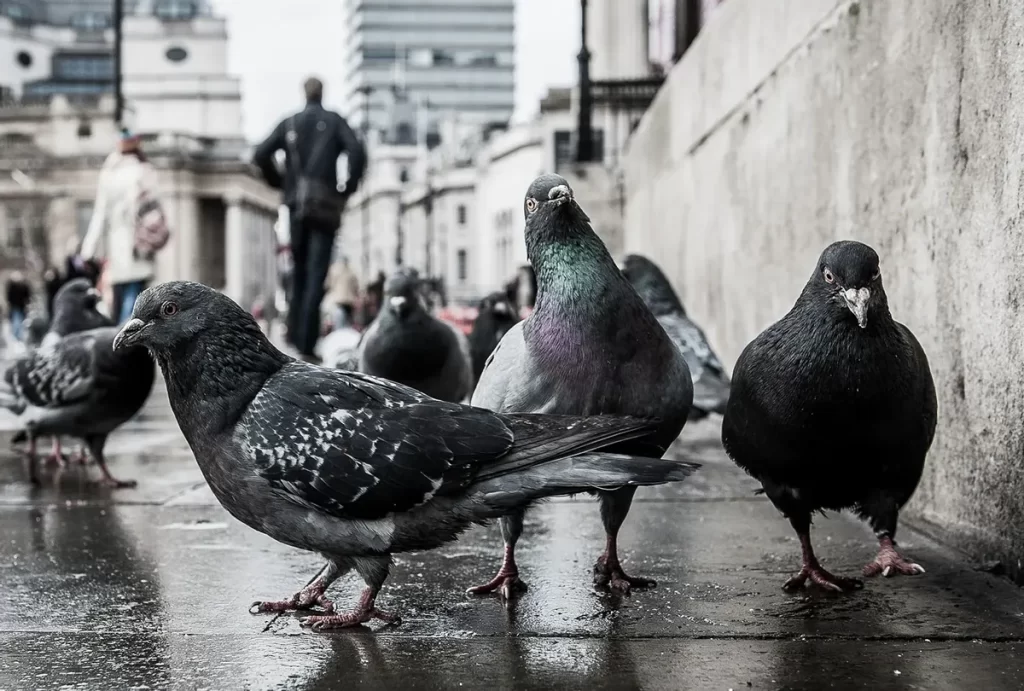
The chosen subject for the classical animation piece will be ethics. The animation will focus on the abandonment of pigeons. Pigeons were domesticated by humans thousands of years ago, they were used to carry and deliver paper messages. Pigeons were heavily relied on in the world wars to carry messages as this was the only form of communication to fellow soldiers who were distant. Carrier pigeons have saved lives throughout the wars and received medals. These birds were then used for sport purposes such as pigeon racing. Pigeons have been heavily neglected by society, they are seen as disease riddled birds that have to fend for themselves. Many pigeons are also physically abused by today’s society because as a generation we have never seen them to be useful for our needs and are now considered pests in towns and cities (Karlis, 2021).

As a generation, it is ethically wrong to have neglected and abused pigeons so the classical animation piece aims to send a message to show how heroic pigeons used to be so maybe as a generation they can be start being respected and cared for.

The 20 second animation piece will show a pigeon walking through a timeline of history, showing what pigeons used to go through. The first scene will be a war zone with the pigeon being handed a message, the next scene in the timeline will show the pigeon being used for sports. The timeline will eventually result in how pigeons are perceived today with insults being hurled at them. The last scene will show an abandoned landscape to emphasise how humans have abandoned pigeons, there will be litter and empty drug taking supplies around to show what it’s like for city pigeons.

The chosen audience for this animation piece will be teenagers and young adults. Having a young audience can be helpful when trying to teach the importance of something. Younger people will not know the history behind pigeons so this is a good message to educate them with in hopes that they grow to respect pigeons.

References

Karlis, N. (2021) Humans domesticated pigeons, then abandoned them. Is it time for a reappraisal? Salon. Available online: https://www.salon.com/2021/10/26/humans-domesticated-pigeons-then-abandoned-them-is-it-time-for-a-reappraisal/ [Accessed 15 Mar. 2023].

Kuhlman, T. and Farrington, J. (2010) What is Sustainability? Sustainability, 2(11), 3436–3448.

Treasury Board of Canada Secretariat (2015) What Is Ethics? Canada.ca. Available online: https://www.canada.ca/en/treasury-board-secretariat/services/values-ethics/code/what-is-ethics.html [Accessed 15 Mar. 2023].

Categories
Development Research Blog

Conceptual Design Transition Planning

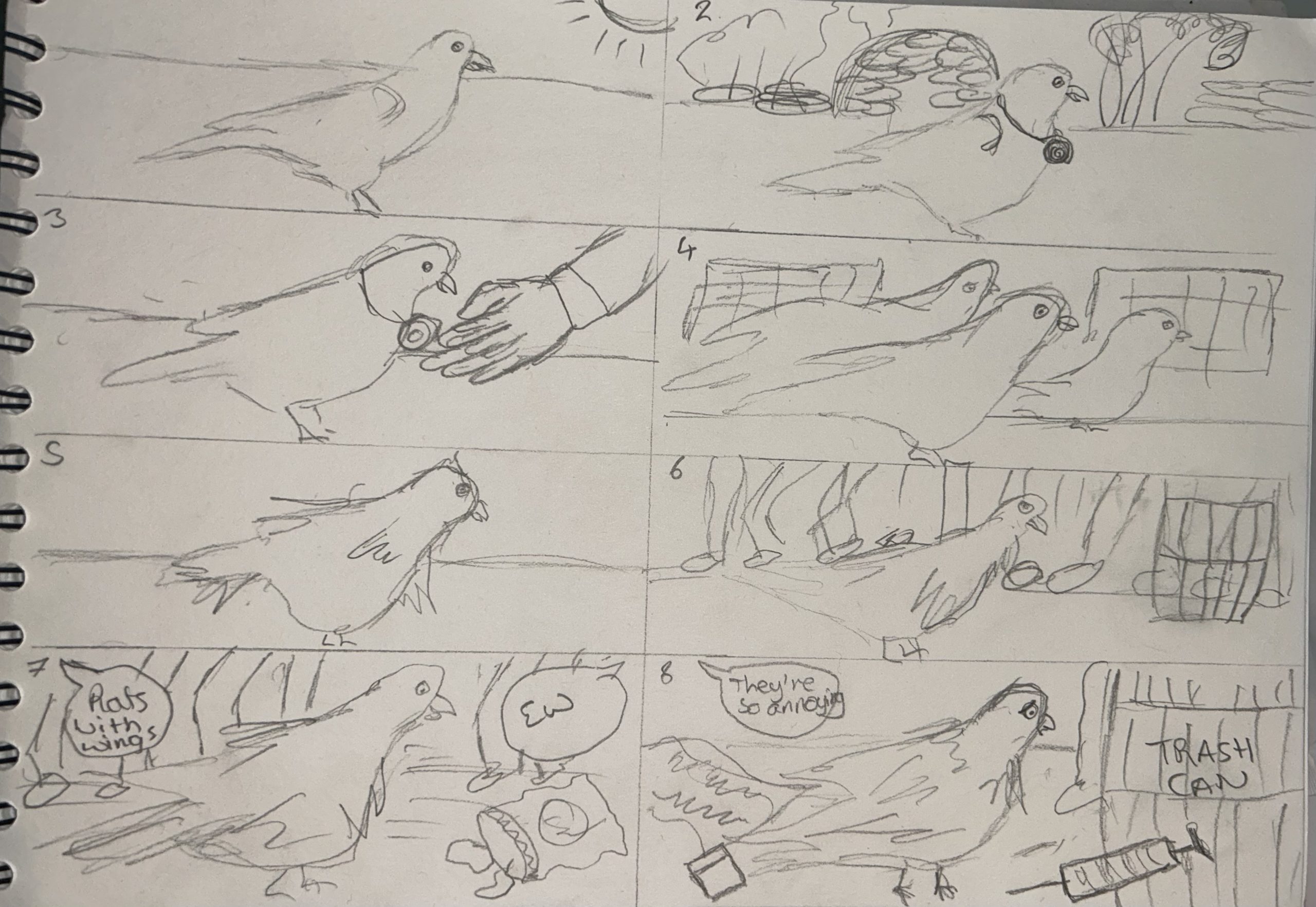
The initial animation design will show a singular pigeon focused on the centre of the screen while the background will be slowly going by as the pigeon walks. The background scenery will transition through history, starting from the World War and finishing in the present day. The idea behind this is to show the reliance of the pigeon in earlier years, such as both world wars.

With only 20 seconds to show the importance of pigeons, the background transitions will only show significant events throughout history. This will still get the message across in the short timeframe. The conceptual design within the animation will be the background transitions. Each frame will be linked to the previous frame by the path, sky or clouds, this is to maintain a smooth transition.

First initial idea developed into a storyboard showing the different scenes throughout the animation.

This is the first sketch up of the animation sequence. The story board shows the visual scenes that will take place. As you can see the pigeon remains centred throughout and the background will change in each frame. This sketch will be enhanced digitally and eventually created into the classical animation sequence.

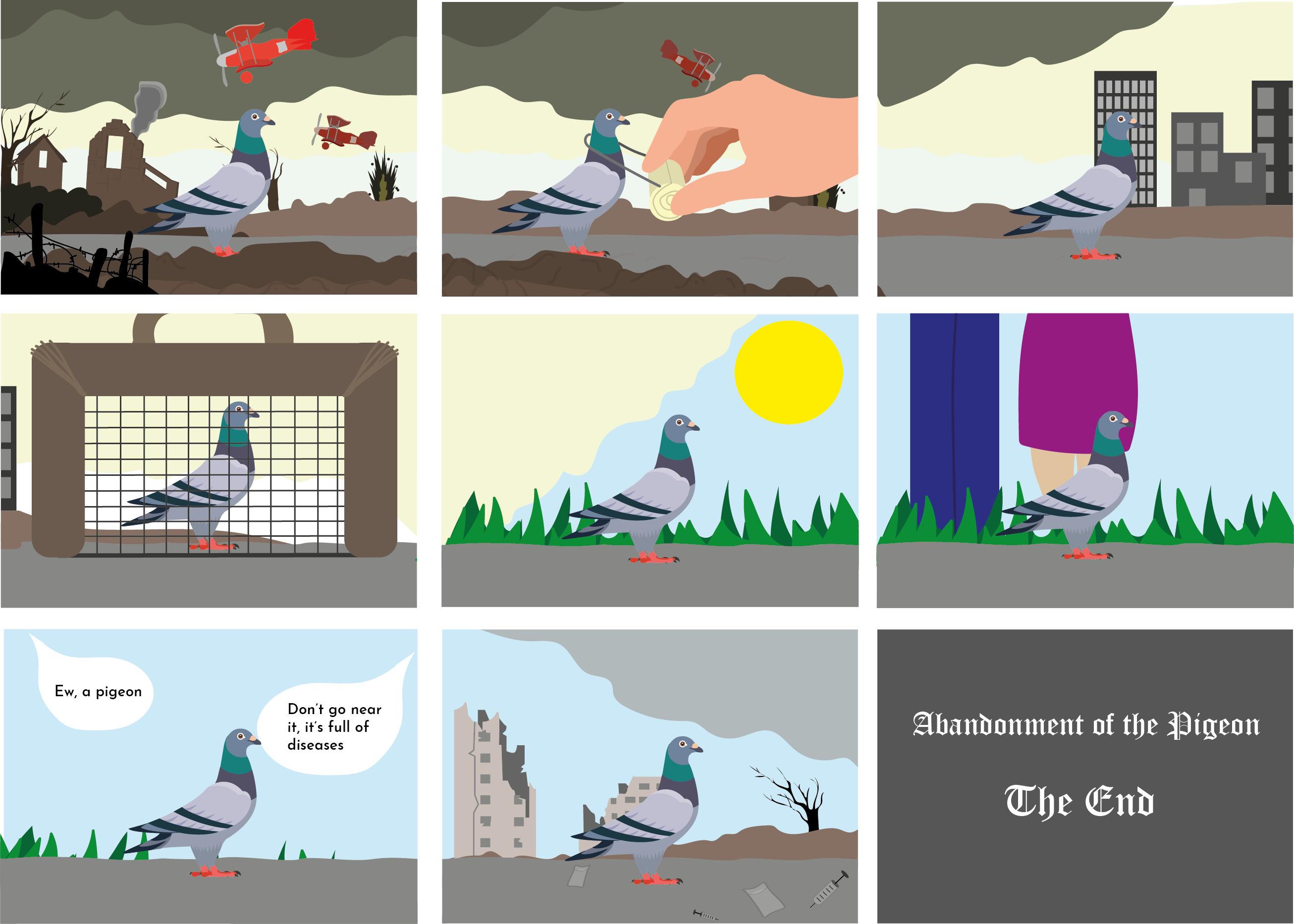
Digitally enhanced storyboard showing the conceptual details throughout the animation.

After digitally enhancing the storyboard sketch, this was the result. Digitally enhancing the sketch creates a detailed visual to the thought process behind the animation. The first two frames show the world war scenery with a message being strapped to the pigeon. The conceptual transition behind this animation will be the background e.g., the sky and clouds. Starting off with a very dull sky to show the brutality of the world wars and emphasise the pigeons heroicness during this time period. Moving onto the third frame, this shows the grey clouds clearing and buildings appearing, now the pigeon has moved out of the war time zone and is slowly entering the modern world. The fourth frame shows the pigeon being caged, this is to show the pigeon racing that still takes place today. The next two frames show a blue sky and people appearing, this is to show the audience that the pigeon has now moved into towns and cities. The blue sky is a metaphor to the pigeon’s emotions, its happier coming into the present day because the wars have ended. The last two slides show the way pigeons are treated today. Having to fend for them selves in litter and drug riddled areas as well as having abusive comments hurled at them. In the last slide the grey cloud is slowly coming back, this is to show that the pigeon is no longer happy and is starting to feel sad again.

Categories
Development Research Blog

Teamworking Storyboard

The Good, The Bad and The Ugly performed live by The Danish National Symphony Orchestra (The Good, the Bad and the Ugly – The Danish National Symphony Orchestra (Live), 2018).

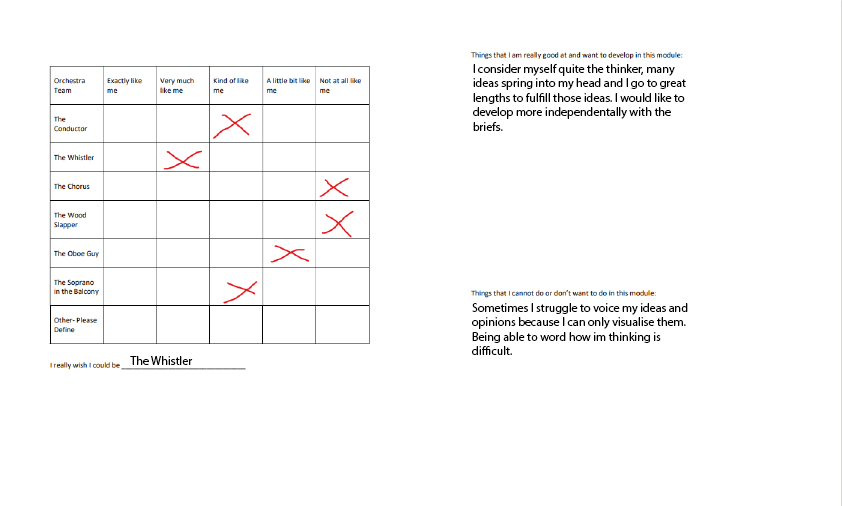
After being assigned to watch ‘The Good, The Bad and The Ugly’ orchestra piece, we were asked to take a psychometric test to determine which team player suited each other. Unfortunately I didn’t attend the teamwork session so I took the test independently. The test resulted in me being The Whistler which I was happy with. The Whistler isn’t a leader but is the vital ingredient in the orchestra, they are the most memorable piece to the puzzle. In this case, the whistler is someone to rely on with ideas and solutions.

Psychometrics test which determined the roles of each team member, relating to the Danish National Symphony Orchestra.

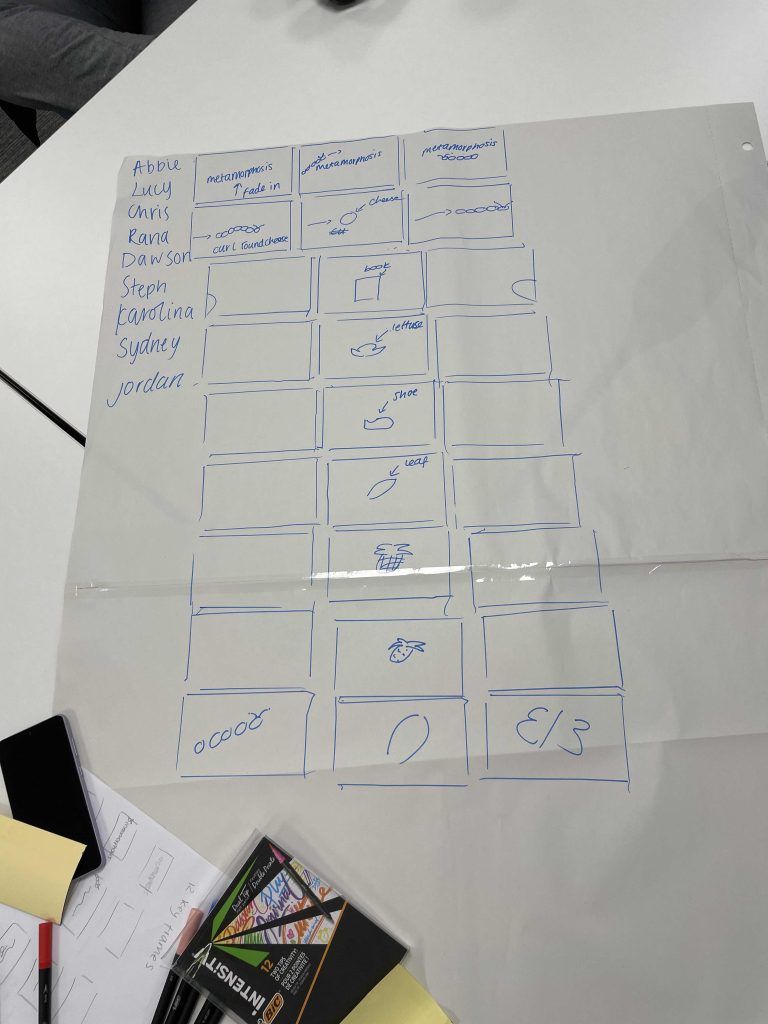
In class, the team developed a flipbook storyboard inspired by ‘The Very Hungry Caterpillar’ a children’s book, written and illustrated by Eric Carle. Although I wasn’t present, the teamwork was fantastic and the storyboard created became very helpful guidance for my independent flipbook.

Flipbook storyboard created by in-class team, inspired by ‘The Very Hungry Caterpillar’.

Flipbook animation was one of the first forms of animation, it is created using a sequence of images that are rapidly flipped through, giving the illusion of an animation sequence (What Is a Flipbook Animation? (with pictures), n.d.). Flipbook animation is a cheaper solution when animating, it is also a great way to visualise the animation before enhancing them digitally.

Video showing independent contribution to the flipbook animation. This is the first scene from the team storyboard.

Above is a flipbook animation showing the first scene of the team storyboard, this was designed independently. This flipbook shows the caterpillar entering the screen from the left side and a piece of cheese entering from the right side. Having the cheese come in from the right emphasises the movement of the caterpillar coming towards the cheese. The caterpillar then curls itself around the cheese, entering and exiting the holes of the cheese before moving on.

This method of animation is very time-consuming and can consist of many mistakes. The flipbook created above includes 37 pages and took roughly an hour and 30 minutes to develop for only seconds of animation. It is not my preferred method of animating but it was definitely an experience learning the technique.

References

The Good, the Bad and the Ugly – The Danish National Symphony Orchestra (Live). (2018) www.youtube.com. Available online: https://youtu.be/enuOArEfqGo [Accessed 16 Mar. 2023].

What Is a Flipbook Animation? (with pictures). (n.d.) Musical Expert. Available online: https://www.musicalexpert.org/what-is-a-flipbook-animation.htm [Accessed 16 Mar. 2023].

Categories
Development Research Blog

Relevant Animation History

3D animation called ‘Pigeons’ showing a group of pigeons creating music (Pigeons, 2022).

The first animation chosen was ‘Pigeons’ by a youtuber called ‘Xander.mpg’. This animation shows a group of city pigeons creating music using their surrounding objects. The reason this animation was chosen as a good example was to show how the pigeons have been designed/animated, this animation shows the very detailed and characteristic movements a pigeon makes, like the fast blinking and head tilting. The animated characteristics of these pigeons are something that would be used in the personal classical animation piece.

Minimalistic animation called ‘Nuggets’ by Filmbilder & Friends (Nuggets, 2014).

This next animation is not related to the topic of the classical animation piece but shows is a good example for showing the movement of how the final animation will look. This video shows a bird-like cartoon walking and coming across yellow balls that it decides to consume. The character remains in the centre of the screen and path is moving in the opposite direction to emphasis the movement in the walk. This is how the final animation piece will be designed. The idea is to have the pigeon be central but walking on the spot and the path/background will move across in the opposite direction.

3D animation showing the timeline of a whales evolution by Museum of New Zealand Te Papa Tongarewa (Whales evolution, 2007).

This final animation shows the transitioning of a whales evolution, again the animal remains in the centre of the screen as it changes appearance and its surrounding environment moves in the opposite direction, again to show the animal walking/swimming through time. This is relevant to the final animation piece because this animal is moving through a history timeline while remaining central. This animation can also be considered educational which is another aim for the personal animation piece.

The audio used in these three animations is very minimal, neither of the videos have a voice or narration which will be similar to the end result of the classical animation piece. The aim is to have an audio of a pigeon cooing and maybe some slow, acoustic music overlapped. Using minimal audio can draw further attention to the actual animation and having a certain genre of music can emphasis the emotions the audience will experience during their viewing of the animation.

References

Nuggets. (2014) YouTube. Available online: https://youtu.be/HUngLgGRJpo [Accessed 16 Mar. 2023].

Pigeons. (2022) www.youtube.com. Available online: https://youtu.be/a93DUkkJGQ4 [Accessed 16 Mar. 2023].

Whales evolution. (2007) www.youtube.com. Available online: https://youtu.be/8cn0kf8mhS4 [Accessed 16 Mar. 2023].

Categories
Development Research Blog

Classical Animation Piece

The Abandonment of the Pigeon

Classical Animation piece showing the timeline of a pigeon through history. Designed for young adults.

Royalty free audio used within the animation.

Categories
Design Portfolio

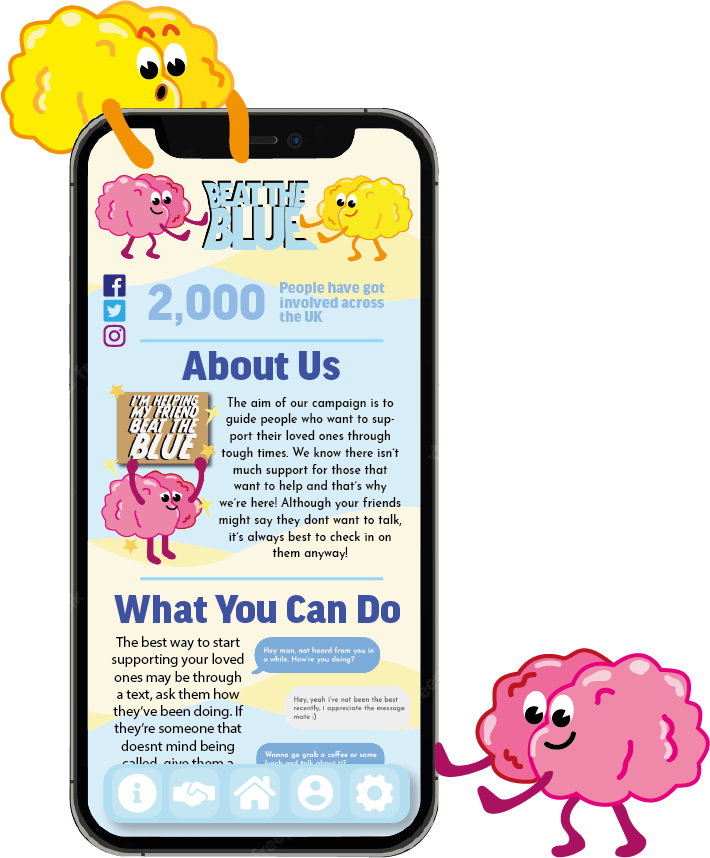
Beat the Blue References

References

Black T-shirt. (2020) Available online: https://www.istockphoto.com/search/2/image?mediatype=illustration&phrase=black+t+shirt+front+back [Accessed 23 Jan. 2023].

Blank white round pin. (n.d.) Available online: https://www.canstockphoto.com/blank-white-round-pin-46409047.html [Accessed 23 Jan. 2023].

Dr Alex George on how to spot when a friend needs support with their mental wellbeing. (2022) www.youtube.com. Available online: https://youtu.be/aJe-4DDyxvY [Accessed 23 Jan. 2023].

Facebook (2022) Facebook. Facebook. Available online: https://www.facebook.com/ [Accessed 23 Jan. 2023].

Google Maps. (n.d.) Google Maps. Available online: https://www.google.com/maps/place/The+Warren+Youth+Project/@53.7445503 [Accessed 23 Jan. 2023].

Instagram (2022) Instagram. Instagram. Available online: https://www.instagram.com/ [Accessed 23 Jan. 2023].

Mug Template Canva. (n.d.) Available online: https://www.canva.com/mugs/templates/ [Accessed 23 Jan. 2023].

Twitter (2022) Twitter. It’s what’s happening. Twitter.com. Available online: https://twitter.com/ [Accessed 23 Jan. 2023].

Artwork Used

Figure 8: Logo
Figure 9: Merch Illustration