“Designers use storytelling to get insight into users, build empathy and reach them emotionally. Designers create personas to represent target users and add conflict to stories that reflect their user journeys and problems. Crafting stories, designers can better understand what users want from a solution.” (What is Storytelling?, 2013).
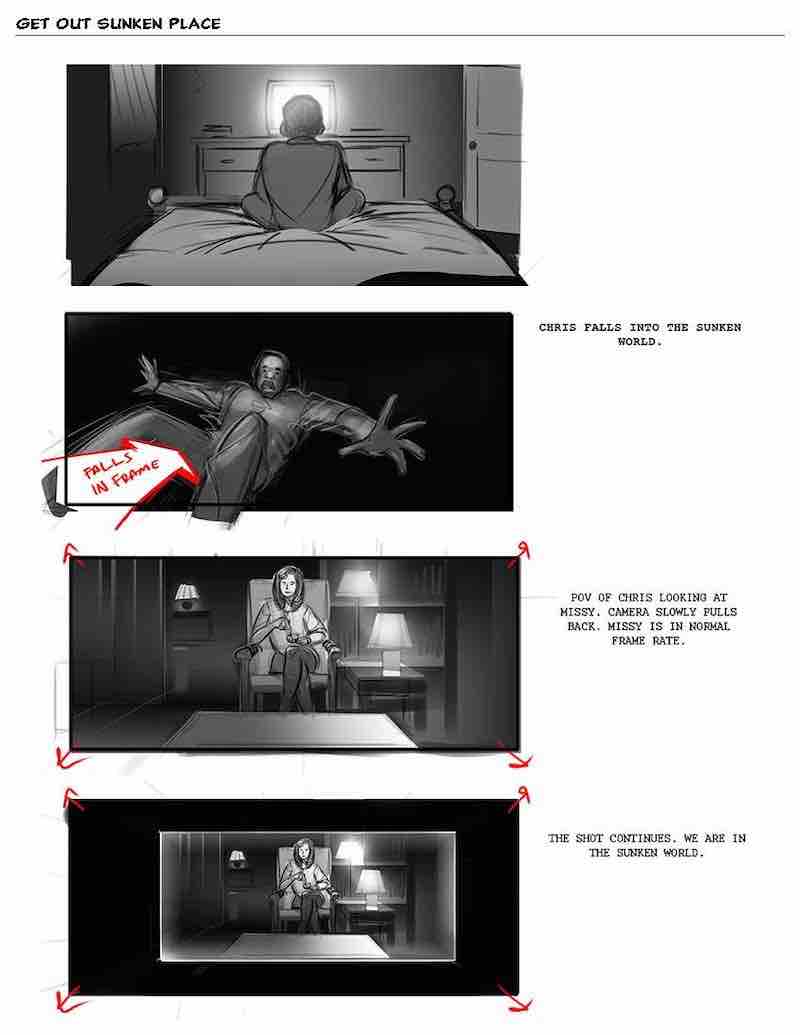
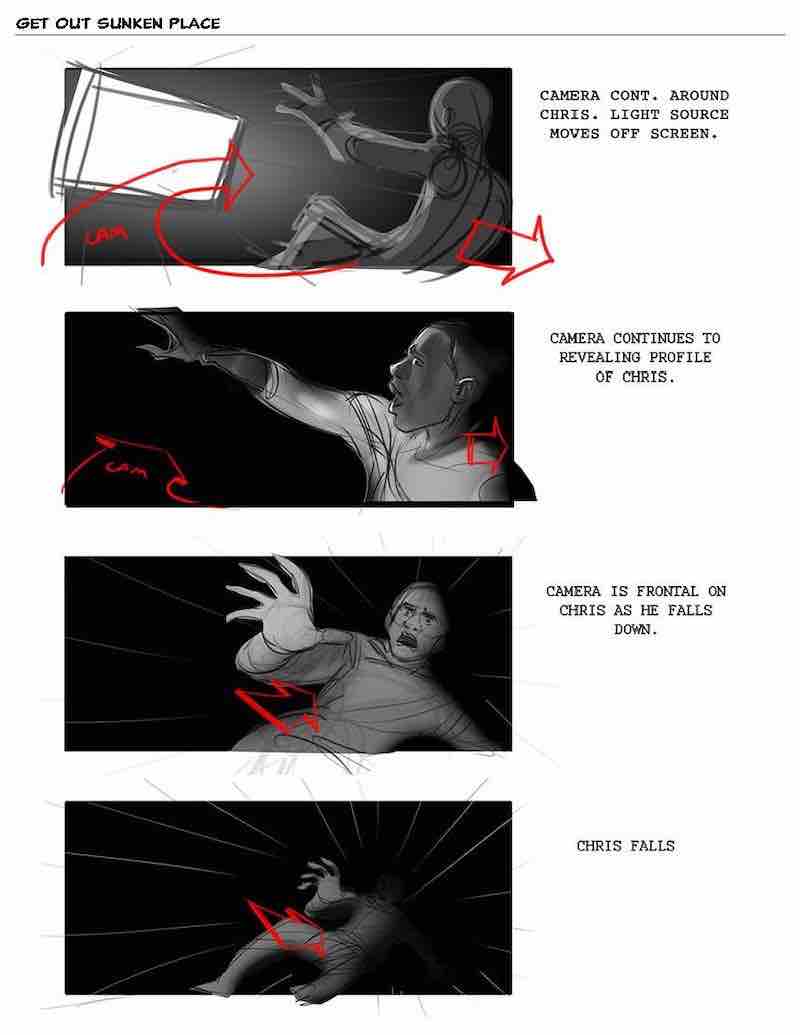
The storyboard example above shows four scenes within a film. The script on the right of the illustration’s states the angle and positioning of the camera during these scenes. Like graphic design, visuals are needed in the process of any storytelling because it helps developers understand the end result that designers or writers want. These two storyboards are scenes from Jordan Peele’s ‘Get Out’, a very popular psychological horror.
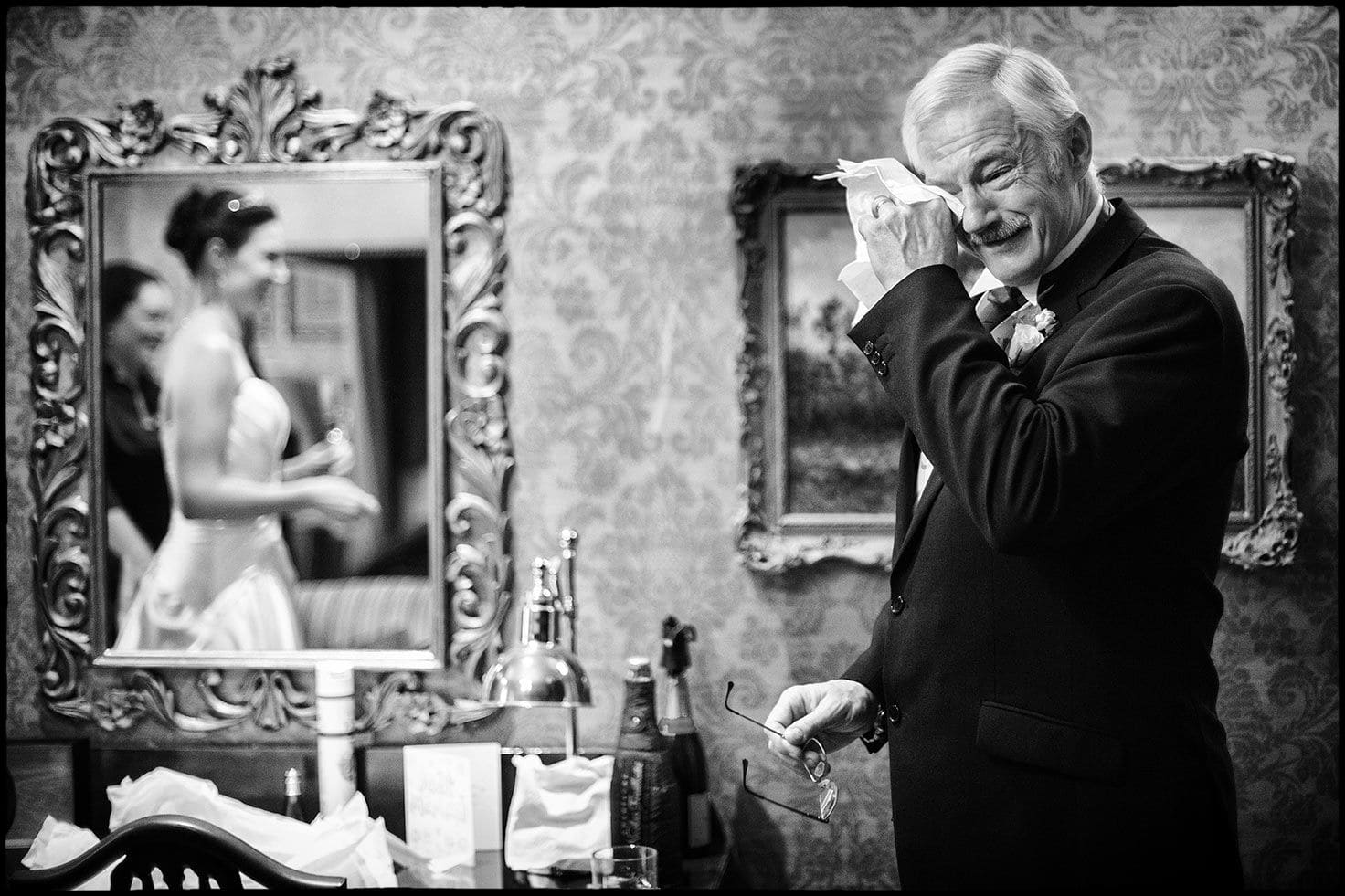
Storytelling doesn’t need numerous scenes to get the message across to an audience. The example above is by a wedding photographer, Simon Atkins, his main focus is to tell a story within his photographs. As you can see the man on the left is teary while looking at his presumed daughter in her wedding dress. This tells a beautiful story of happiness and joy within a family.
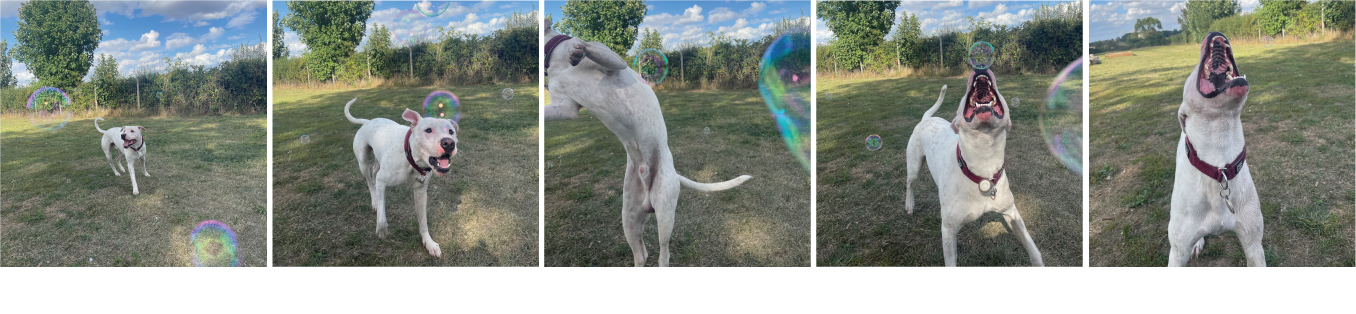
Above is my own version of storytelling through photography. This is five images of my dog that create a narrative sequence of him trying to eat a bubble. Included is a script stating what the dog is doing and how the camera is angled, this was inspired by Eric Yamamoto’s Get Out storyboard.
Bibliography
Atkins, S. (n.d.) Storytelling Wedding Photographer. Available online: https://www.weddingphotojournalist.co.uk/storytelling-wedding-photography/ [Accessed 20 Oct. 2022].
What is Storytelling? (2013) The Interaction Design Foundation. Available online: https://www.interaction-design.org/literature/topics/storytelling [Accessed 20 Oct. 2022].
Yamamoto, E. (n.d.) Get Out Sunken Place. Available online: https://www.studiobinder.com/blog/storyboard-examples-film/ [Accessed 20 Oct. 2022].