Metamorphosis is a state of change or evolution within an object, person or animal. It can be a rapid shift in the growth of something. A good example to explain what metamorphosis really is, is holometabolism, which is mainly seen in insects such as butterflies, bees, ants, flies and beetles. Holometabolism include the four life stages: egg, larva, pupa and imago (“Types of Metamorphosis”).
When talking about humans, metamorphosis is usually used in psychological terms. A human cannot undergo metamorphosis physically because they are fully formed in the womb but can experience psychological metamorphosis when going through big life changes or exchanging identities (“How to Deal with Major Life Changes”).
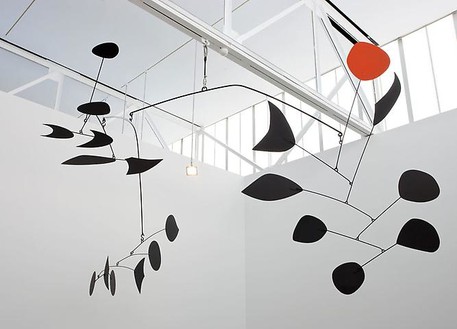
The chosen subject to base the animation on is the planetary structure based on the works of Alexander Calder. Calder was an American sculptor from Pennsylvania, ‘he is best known for inventing wire sculptures and the mobile, a type of kinetic art which relied on careful weighting to achieve balance and suspension in the air.’ (Tate).
The inspiration for the planetary structure animation is Calder’s monumental sculptures. Calder stated:
‘people think monuments should come out of the ground, never out of the ceiling but mobiles can be monumental too.’ (“Alexander Calder: Monumental Sculpture, Rome, October 29, 2009–January 30, 2010”)
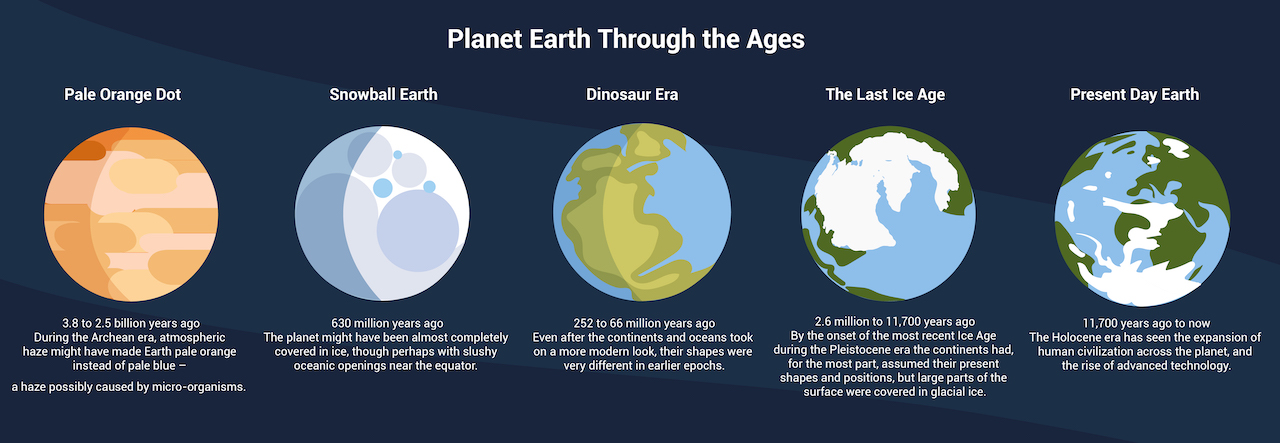
To link both metamorphosis, planets and the works of Alexander Calder together, it’s been decided to design a sculpture showcasing the appearance of earth throughout the years. After doing some research into the evolution of earth throughout the years, it was found that there has been drastic differences to the appearance of earth.
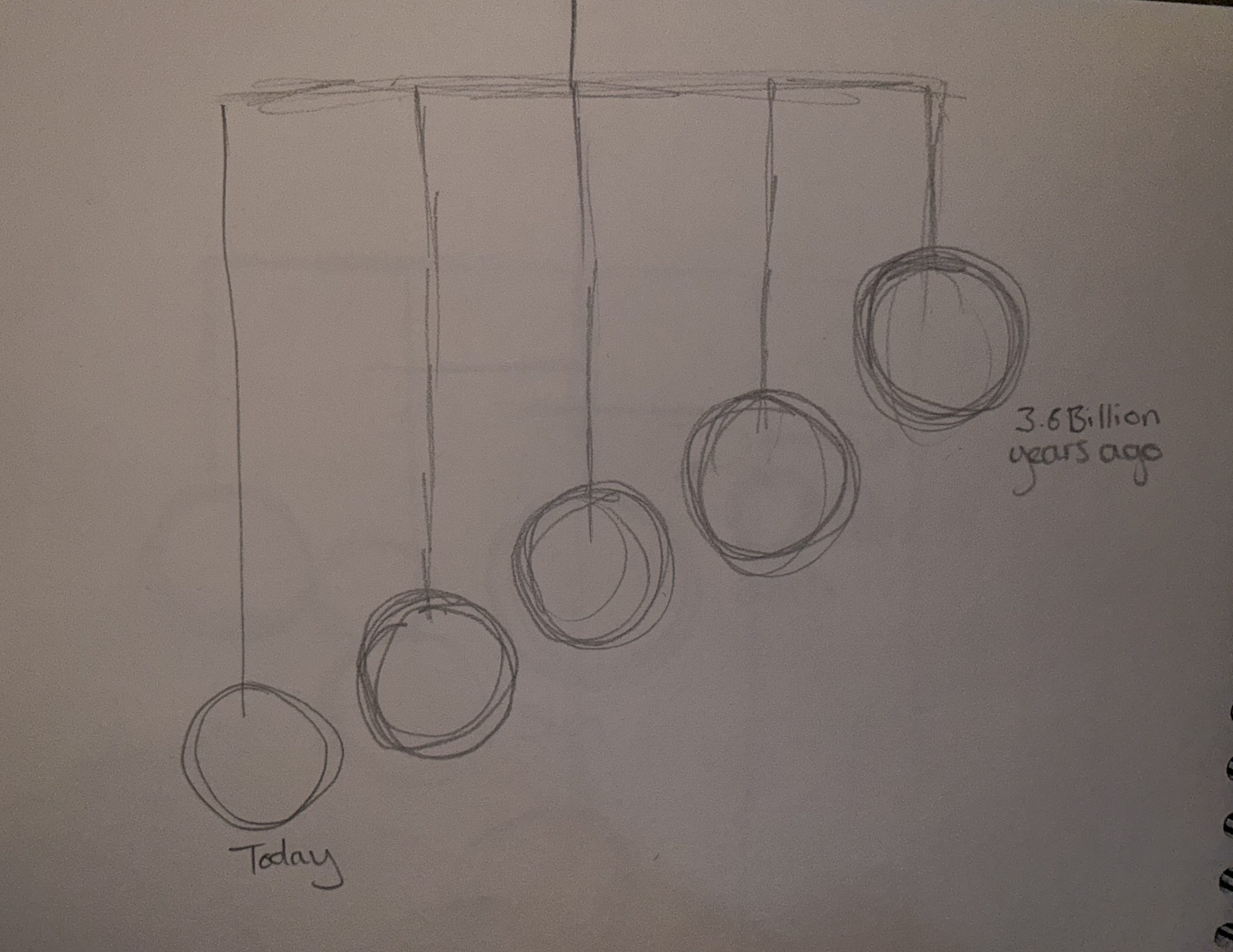
Below is a rough sketch of the planetary structure for the final animation. There’s five versions of Earth which will be showcased in a diagonal position.
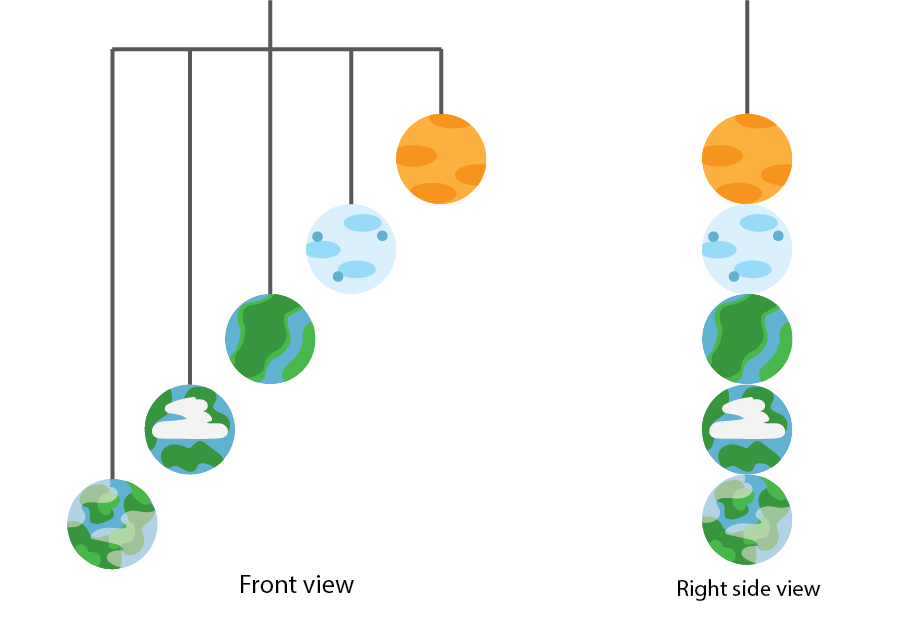
This is an enhanced digital illustration of the structure designed. included in the right side view to explain why the planets are on a diagonal. When view from the right hand side the planets sit nicely in a timeline, starting with Earth’s appearance from billions of years ago and ending to the planet’s appearance we know today.
References
“Alexander Calder: Monumental Sculpture, Rome, October 29, 2009–January 30, 2010.” Gagosian, 12 Apr. 2018, gagosian.com/exhibitions/2009/alexander-calder-monumental-sculpture/. Accessed 27 July 2023.
“How to Deal with Major Life Changes.” Oprah.com, www.oprah.com/spirit/strategies-to-deal-with-every-phase-of-major-life-changes/all#:~:text=Humans%20do%20it%2C%20too%E2%80%94not. Accessed 27 July 2023.
“Planet Earth through the Ages.” Exoplanet Exploration, exoplanets.nasa.gov/resources/2245/planet-earth-through-the-ages/. Accessed 27 July 2023.
Tate. “Who Is Alexander Calder? | Tate.” Tate, 2015, www.tate.org.uk/art/artists/alexander-calder-848/who-is-alexander-calder. Accessed 27 July 2023.
“Types of Metamorphosis.” BYJUS, byjus.com/biology/types-of-metamorphosis/#:~:text=Zygentoma%20and%20Archaeognatha.-. Accessed 27 July 2023.